Nintendo and The Pokémon Company have encountered another legal hurdle in their ongoing patent dispute tied to creature-catching game mechanics. A recent decision by the Japan Patent Office has rejected one of their key patent applications, dealing a blow to efforts aimed at strengthening their legal position against competitors like Palworld.
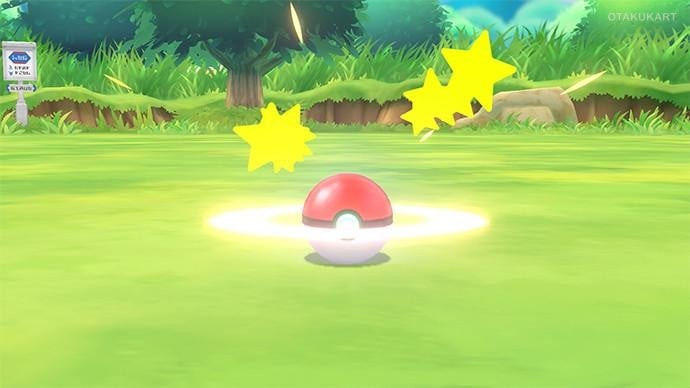
The rejected application focused on touchscreen-based gameplay mechanics resembling the iconic Poké Ball capture system. This marks the latest development in a broader legal strategy that has been unfolding since 2024.
Patent Rejection Centers on “Lack of Innovation”
At the heart of the decision is a proposed patent describing how players use a touchscreen to capture and release in-game characters, similar to mechanics widely associated with the Pokémon series.
According to reporting from Games Fray, the Japan Patent Office rejected the application on the basis that it did not demonstrate a sufficient “inventive step.” In simpler terms, the mechanics outlined were considered too similar to existing concepts already common across the gaming industry.
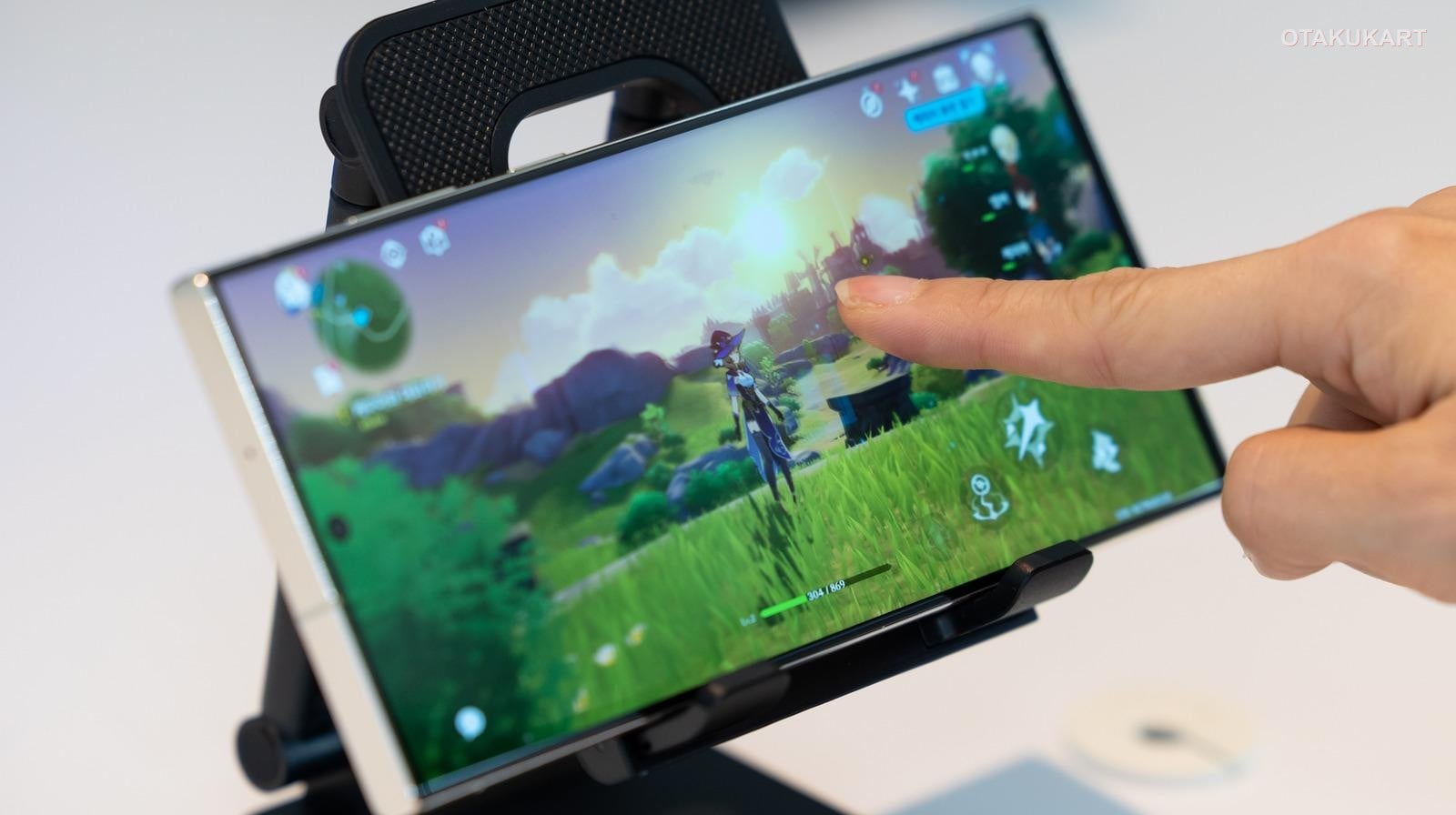
The patent attempted to broadly define interactions where players use an item to capture characters in the field and deploy them later in battles. However, regulators determined that this did not introduce any meaningful innovation beyond established gameplay systems.
Legal Strategy Tied to Palworld Controversy
This patent effort is closely linked to the ongoing legal tensions surrounding Palworld, a survival game that drew widespread attention for its similarities to Pokémon-style creature collection. Since its release in 2024, the game has been at the center of debates over originality, design inspiration, and intellectual property boundaries.
Rather than focusing solely on visual similarities between characters, Nintendo and The Pokémon Company have pursued legal avenues based on gameplay mechanics. This approach appears to be aimed at securing broader protections that could apply to multiple games across different platforms, including mobile devices.
The rejected patent specifically targeted touchscreen functionality, suggesting a potential effort to influence future releases such as mobile adaptations of competing titles.
What This Means for Future Legal Action
While the rejection represents a setback, it does not necessarily mark the end of the effort. Nintendo and The Pokémon Company may revise and resubmit the patent with additional details or modifications to address the concerns raised by the patent office.
This would not be the first time such changes have been attempted, as the application had already undergone revisions earlier in 2026. However, repeated rejections could weaken the broader strategy of using patents to limit competition.
The outcome also highlights the challenges of securing patents for gameplay mechanics, especially when those mechanics are widely used or considered standard within the industry.
Industry Implications Beyond Pokémon
The decision could have wider implications for game development, particularly in how companies approach intellectual property protection. If broad gameplay systems like capture mechanics are deemed too generic to patent, it may encourage more open competition within certain genres.
At the same time, developers may need to focus on more specific or technically unique innovations if they wish to secure legal protections. This could lead to more creative approaches to gameplay design, as studios look for ways to differentiate their systems.
For now, the rejection suggests that common gameplay ideas cannot easily be locked down through patents, even by major industry players.
Fact Check: What Has Been Confirmed
The Japan Patent Office has officially rejected Nintendo and The Pokémon Company’s touchscreen capture system patent due to a lack of innovation. The companies have the option to revise and resubmit the application, but no updated filing has been confirmed yet.
The broader legal dispute involving Palworld remains ongoing, with no final resolution announced. While the patent rejection does not directly impact that case, it may influence how future legal arguments are structured.
As the situation continues to evolve, the decision serves as a reminder of the complexities surrounding intellectual property in the gaming industry.