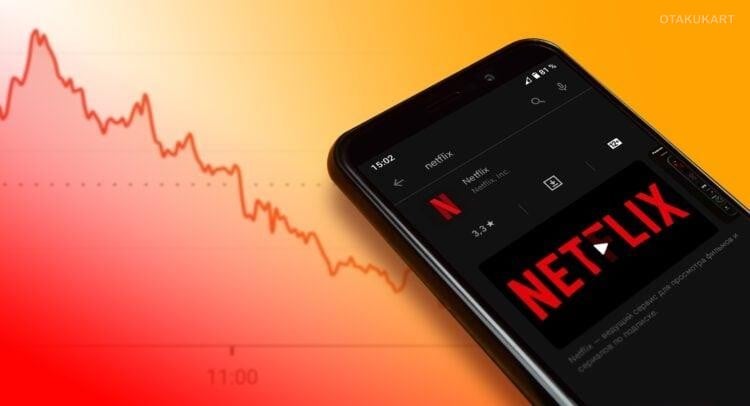
Netflix is facing renewed pressure from investors as its stock continues to slide, even after delivering strong financial results earlier this year. Shares of the streaming giant have dropped around 24% since its last earnings report in April, signaling growing unease on Wall Street about how increasing competition could impact its long-term growth.
While Netflix remains a dominant player in the streaming industry, analysts say the current decline reflects broader concerns about the evolving terrain. Rivals like Amazon Prime Video and YouTube are steadily gaining ground, forcing investors to reassess whether Netflix can maintain its leadership position in the years ahead.
Why Netflix Stock Is Falling Despite Strong Performance
The recent drop in Netflix’s stock has puzzled some observers, especially given that the company exceeded expectations in its latest quarterly earnings. However, the issue lies less in past performance and more in future projections.
According to MarketWatch, Netflix chose not to raise its full-year financial outlook despite posting strong results. The company maintained its forecast of $50.7 billion to $51.7 billion in revenue, along with projected growth of 12% to 14% and an operating margin of 31.5%.
This cautious approach disappointed investors who were expecting more aggressive guidance. Following the earnings release, Netflix shares dropped sharply and have continued to trend downward, marking one of the company’s longest losing streaks in recent years.
A Netflix spokesperson defended the outlook, stating that the company’s projections still reflect solid growth and do not indicate any slowdown. However, that reassurance has not been enough to calm market sentiment.
Amazon’s Growing Influence in Streaming
One of the biggest factors behind investor concern is the rise of Amazon Prime Video. Analysts believe Amazon’s streaming strategy gives it unique advantages that Netflix cannot easily replicate.
Justin Patterson of KeyBanc Capital Markets highlighted this shift in a note to clients, saying, “With Amazon leaning into Prime Video and YouTube also competing for more time spent, this is raising more questions on both Netflix engagement and long-term pricing power.”
Unlike Netflix, Amazon bundles its streaming service with its broader Prime subscription, which includes benefits like free shipping and shopping perks. This reduces the perceived cost of the service for consumers, making it easier to retain subscribers.
Amazon also has a stronger foothold in live sports and advertising technology. Its ability to leverage customer data from its e-commerce business gives it an edge in targeted advertising, an area where streaming platforms are increasingly looking to grow revenue.
YouTube and the Fight for Viewer Attention
In addition to Amazon, YouTube continues to command a significant share of viewer attention. As part of Alphabet’s ecosystem, the platform has consistently ranked as one of the most-watched media services globally.
This creates another layer of competition for Netflix, which must not only compete with traditional streaming platforms but also with digital-first content ecosystems that dominate user engagement.
The growing presence of YouTube in the streaming conversation has added to investor concerns about how much time viewers are willing to spend on subscription-based services.
Netflix’s Strategy to Stay Ahead
Despite the challenges, Netflix is not standing still. The company has been actively expanding into new areas, including live events and sports programming. High-profile experiments such as NFL Christmas Day games and major boxing matches are part of a broader effort to diversify its content offerings.
Netflix is also investing in advertising and exploring the use of artificial intelligence to enhance its platform. These initiatives are designed to open up new revenue streams and strengthen its competitive position.
Importantly, data from analytics firm Antenna shows that Netflix still maintains some of the strongest customer retention rates in the industry. This suggests that while competition is increasing, the platform continues to hold significant value for subscribers.
Investor Sentiment May Shift Again
Analysts note that this is not the first time Netflix has faced investor skepticism. Similar concerns have surfaced in the past, often during periods when the company was between major content releases.
Patterson pointed out that such concerns tend to peak when competitors have strong content offerings while Netflix’s slate is temporarily quieter. He added, “As Netflix’s content slate ramps up again, we suspect this concern moderates once again.”
With several high-profile releases expected in the second half of the year, Netflix could see sentiment improve if it manages to capture audience attention at scale.