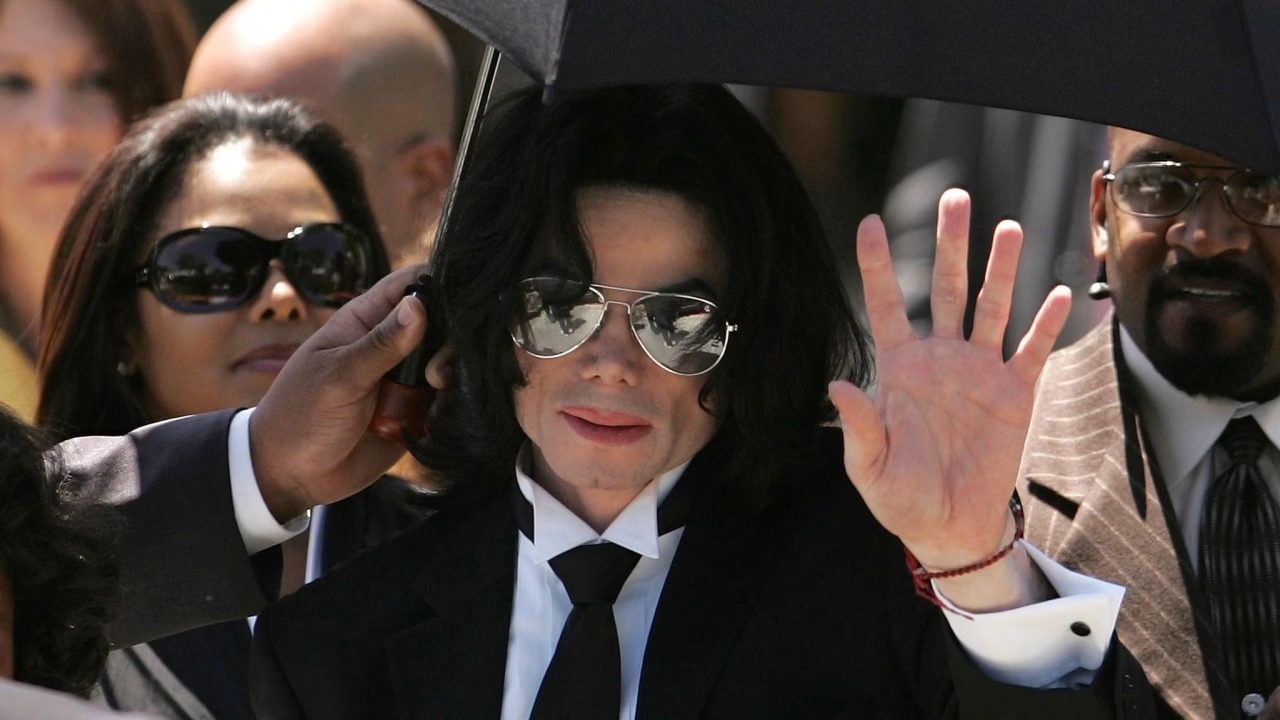
Netflix reportedly came close to shelving its documentary series Michael Jackson: The Verdict only a week before its scheduled release, despite the project eventually becoming one of the platform’s biggest documentary launches of the year.
According to a new exclusive report, senior executives debated canceling the three-part series over concerns that the Michael Jackson estate could pursue legal action, while also anticipating intense backlash from the late singer’s loyal fanbase.
Although the documentary ultimately premiered on June 3, the behind-the-scenes uncertainty highlights the challenges streaming platforms face when producing projects centered on controversial public figures. Despite those concerns, the series quickly climbed Netflix’s global rankings, proving there was significant audience interest in revisiting one of the most closely watched celebrity trials in modern history.
Netflix reportedly feared legal action before the documentary premiered
According to Variety, multiple anonymous sources familiar with the matter claimed that Netflix executives developed “cold feet” shortly before launch and discussed canceling the project after its trailer had already been released.
“It would have been very embarrassing to pull the series after you drop the trailer — it would have been a huge story,”
one source told Variety.
Another source said the company’s biggest concern was not criticism from fans but the possibility of legal action from Michael Jackson’s estate.
“It was the fear of a lawsuit from the estate rather than the fans. [Netflix] was really scared of their financial muscle.”
The Michael Jackson estate has previously taken legal action against media companies over documentaries involving the late singer. It successfully pursued arbitration against HBO over Leaving Neverland, which was later removed from HBO Max in 2024, and also sued ABC following the broadcast of The Last Days of Michael Jackson, which ended in an out-of-court settlement.
Despite those concerns, Variety reported that Netflix has not received any legal communication from the estate regarding Michael Jackson: The Verdict since its release. A spokesperson for the estate did not respond to the publication’s request for comment.
Netflix disputes claims that it reconsidered the release
Netflix has firmly rejected claims that it ever planned to cancel the documentary because of outside pressure.
In a statement provided to Variety, a Netflix spokesperson said:
“Characterizations that Netflix reconsidered the release or changed course because of outside pressure are inaccurate. The series launched as planned and reached the Netflix Top 10 for three weeks.”
According to the report, Netflix still took several precautions before launch. The documentary was announced only two weeks before its premiere, marketing was kept to a minimum, advance reviews were declined, and filmmakers reportedly did not participate in promotional interviews.
One source described the atmosphere inside the company by saying,
“There was anxiety,”
adding that concerns ultimately led Netflix to avoid traditional publicity for the series.
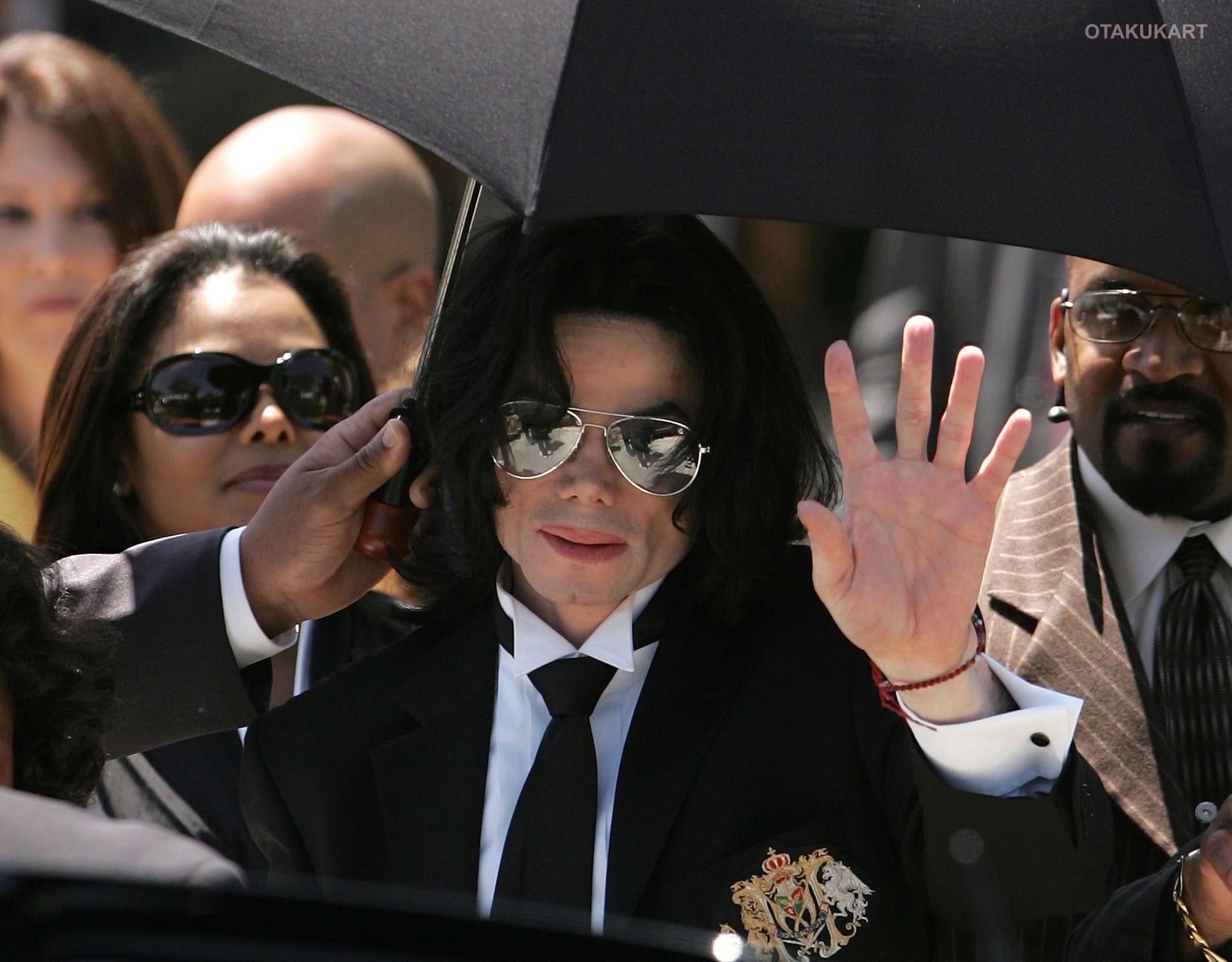
The documentary became one of Netflix’s biggest nonfiction releases
Directed by Nick Green and produced by Candle True Stories, Michael Jackson: The Verdict revisits Jackson’s 2005 criminal trial, in which the singer was acquitted of all charges, including child molestation.
Rather than focusing exclusively on one perspective, the documentary features interviews with people from both sides of the case, including Jackson family attorney Brian Oxman, former publicist Raymone Bain, two jurors from the trial, and supporters who attended the proceedings. The family of Gavin Arvizo, whose allegations formed the basis of the criminal case, did not participate.
The series also generated sharply divided reactions. A petition calling for Netflix to remove the documentary reportedly attracted more than 188,000 signatures, while audience scores on Rotten Tomatoes remained significantly lower than critics’ reviews.
Despite the controversy, the documentary proved commercially successful. It attracted 17.8 million views during its first five days, reached No. 1 in 61 countries, and entered the Top 10 in 89 countries, demonstrating that public interest ultimately outweighed the controversy surrounding its release.