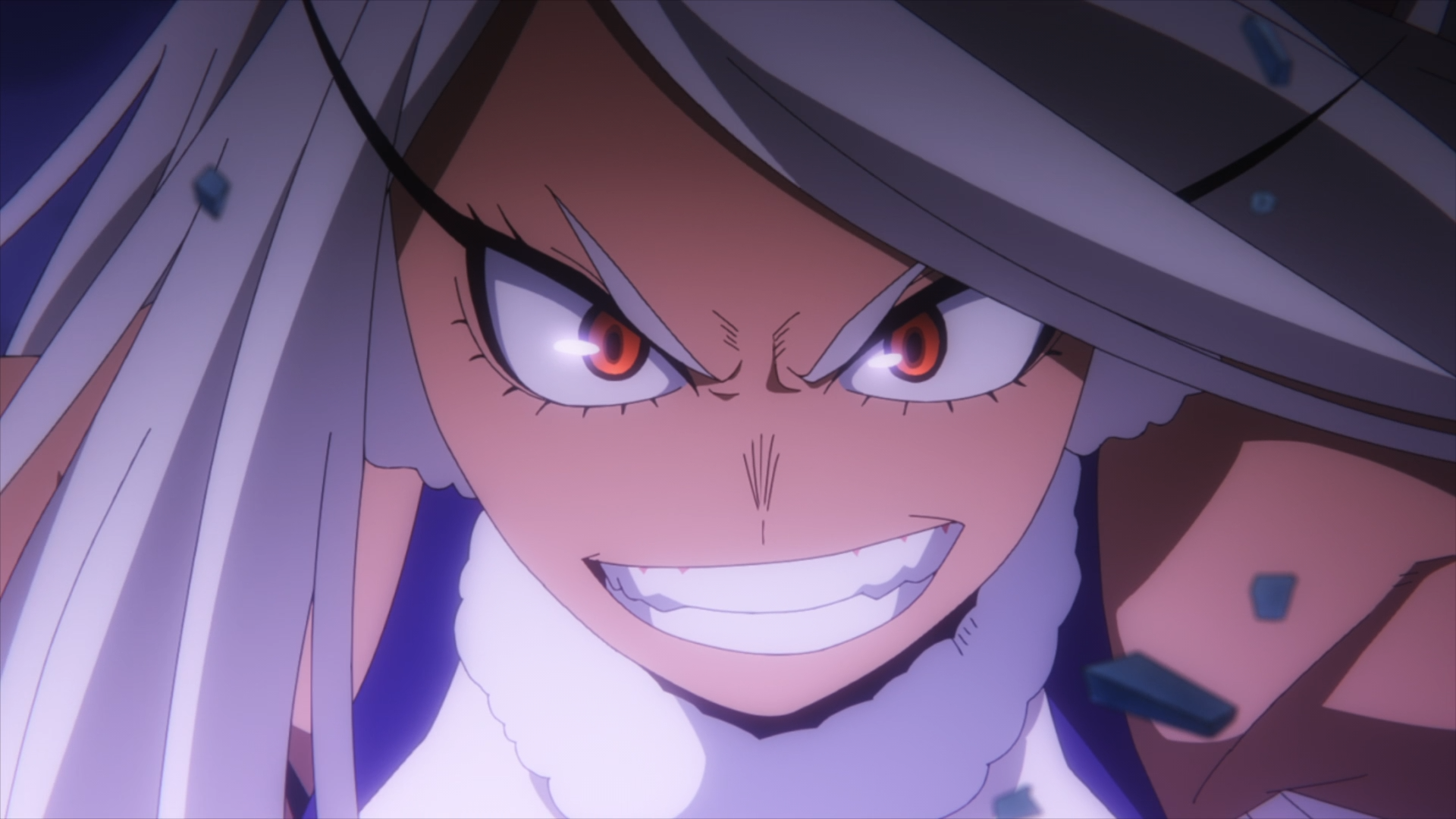
My Hero Academia may have concluded its manga run nearly a year ago, but the series remains a constant talking point. This time, the discussion isn’t about plot twists or character development—it’s about a new piece of art featuring Mirko, a fan-favorite hero. Kohei Horikoshi’s latest drawing of her has triggered a wave of backlash, accusing the creator of whitewashing the character by lightening her skin tone.
The controversy quickly spread across social media, with fans upset about what they perceived as a loss of representation. However, others were quick to highlight that the image’s lighter tone may be the result of brightness settings on devices or filters applied to the post, rather than any deliberate design change. Despite this, the backlash gained momentum, raising deeper questions about race, headcanon, and anime representation.
Why the Accusations Don’t Hold Up
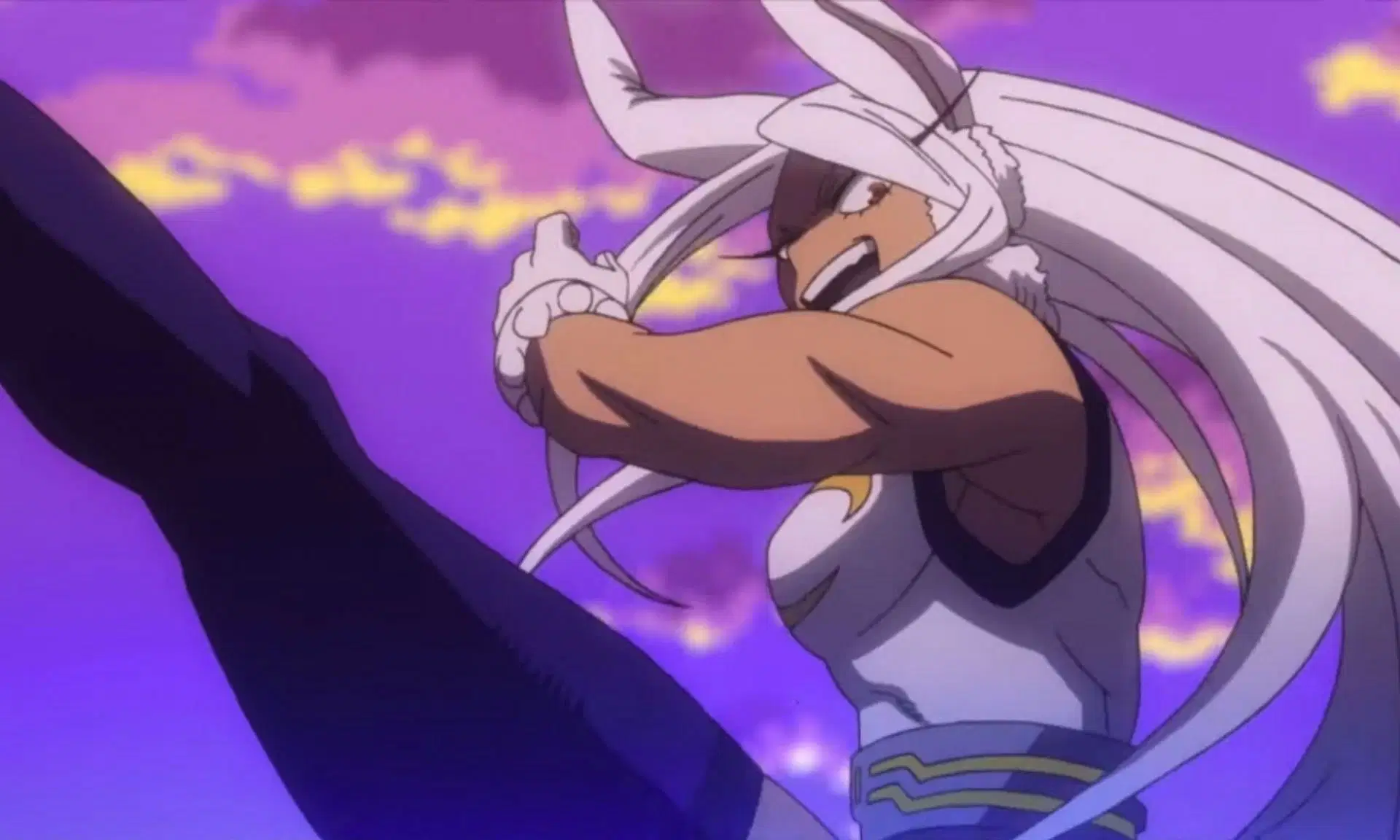
One of the biggest reasons the backlash seems unfounded is the technical aspect behind the artwork. Fans who adjusted the brightness levels of the image reported that Mirko’s usual complexion returned, suggesting the perceived change was due more to contrast than intentional alteration. In the digital age, how an image appears can vary dramatically from one screen to another, making this a flimsy basis for claims of whitewashing.
息抜きのミルコ。見るコ。 pic.twitter.com/qKMFrBejkr
— 堀越耕平 (@horikoshiko) April 2, 2025
The debate also hinges on the misconception that Mirko is a Black character. While she has a darker complexion, nothing in her backstory or cultural coding suggests that she is a person of color. In anime, it’s not unusual for Japanese characters to have darker skin due to tanning or regional background. Unlike characters such as Killer Bee or Yoruichi, who are often seen as coded Black due to speech patterns or thematic roles, Mirko has no narrative elements that tie her to a specific racial identity.
Why Representation Still Matters
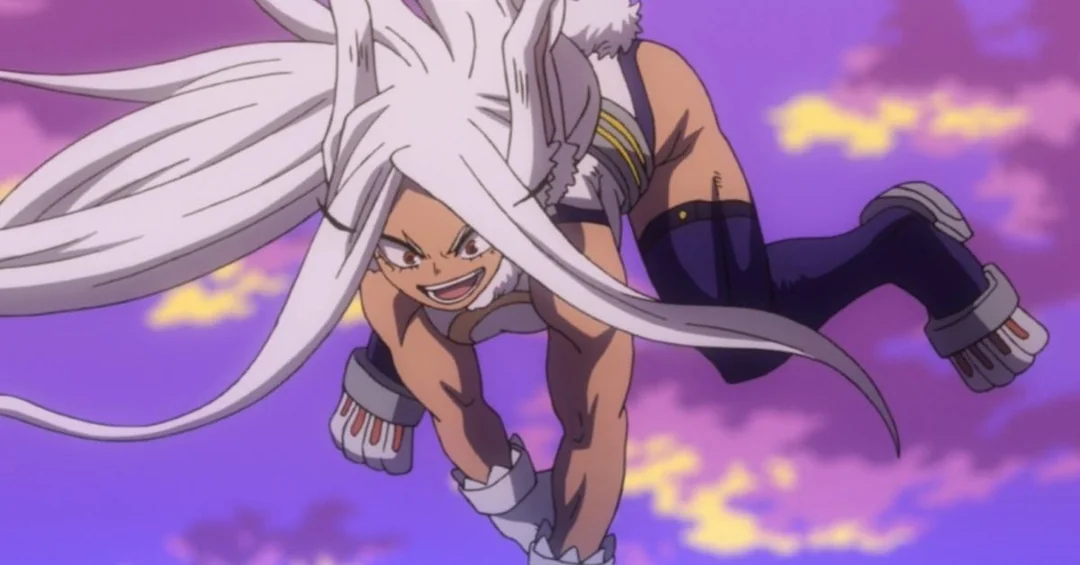
Despite the lack of solid ground for the accusations, it’s understandable why people are sensitive about changes to Mirko’s appearance. Anime continues to struggle with meaningful representation of women of color, and characters like Mirko—whether technically POC or not—are rare figures who fans project inclusivity onto. Many people see her as a symbol of progress in a medium that historically lacks diversity.
So when even perceived changes to her appearance occur, fans worry that this small piece of representation is being erased. That concern stems less from logic and more from frustration over the scarcity of diverse characters in anime. It’s a conversation that extends far beyond My Hero Academia and taps into a broader cultural desire to see more inclusive storytelling.
At the same time, artists need room to explore and reinterpret their work without being bombarded by misinformed outrage. Horikoshi’s track record with Mirko has remained consistent, and this new artwork doesn’t signal any major shift in how the character is being handled. If anything, the controversy reflects fans’ emotional investment in her rather than any meaningful misstep from the creator.