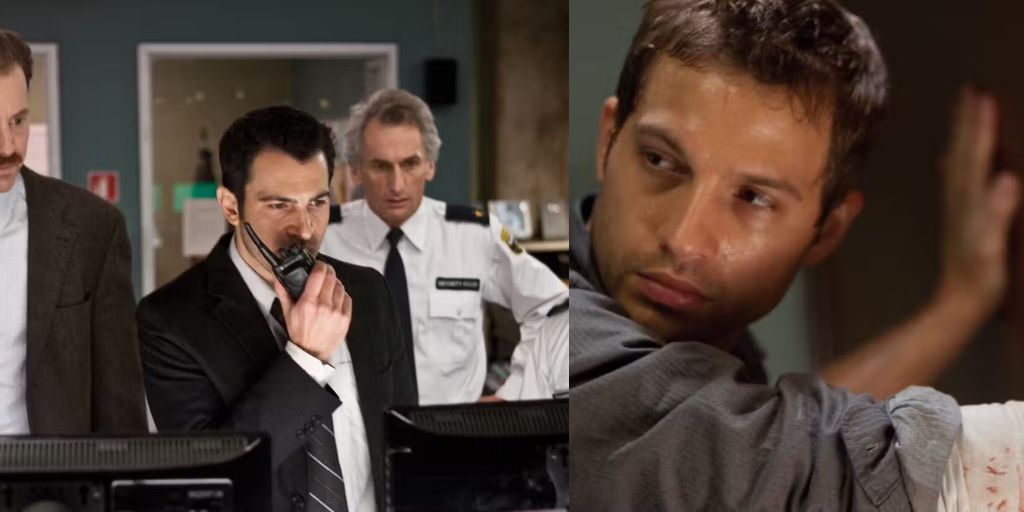
Set against the turbulent backdrop of the 1880s American frontier, “Long Shadows” is not just another Western but a character-driven journey through trauma, longing, and moral reckoning.
Directed by William Shockley, known to many fans of classic television as a fixture on “Dr. Quinn, Medicine Woman,” this film marks his ambitious leap into big-screen storytelling, accompanied by a cast including Dermot Mulroney, Dominic Monaghan, Jacqueline Bisset, and rising talent Blaine Maye.
The film, distributed by Quiver and produced by Tiki Tāne Pictures, is built upon a legacy Western framework, yet it twists its genre expectations, prioritizing psychological realism over shootouts and spectacle.
Also Read: Sekiro: Shadows Die Twice Ending Explained: Kuro’s Purification Brings Peace Or Darker Fate
Story and Character: The Gravity of Loss and the Light of Hope
“Long Shadows” traces the life of Marcus Dollar, a young man whose childhood was shattered by the brutal murder of his parents. As he ages out of an orphanage, Marcus’s sole focus is vengeance a desire both burning and understandable.
He crosses paths with Dallas Garrett, portrayed with weary gravity by Dermot Mulroney, a former outlaw coming to terms with his own checkered past. Dallas’s attempt to mentor Marcus forms the film’s emotional backbone: their relationship is laced with regret, fatherly concern, and two men’s vastly different relationships with violence.
The script, penned by Shockley alongside Grainger Hines and Shelley Reid, refuses to glamorize vengeance. Instead, it emphasizes Marcus’s psychological scars.
As he pursues the men responsible for his parents’ deaths, Marcus becomes entwined with a young woman whose compassion and love offer him a glimmer of redemption. This triangle of revenge, mentorship, and romance complicates Marcus’s path, setting up wrenching choices that feel raw and real rather than schematic.
Standout Performances and Chemistry
Mulroney’s Dallas commands attention with a subdued, world-weary intensity that anchors the film’s morality. Jacqueline Bisset, as Vivian Villere, lends gravitas and warmth to a role that could easily have been incidental; her scenes are some of the film’s most poignant.
Dominic Monaghan’s Ned Duxbury adds tension and unpredictability, while Blaine Maye’s Marcus teeters between innocence and burgeoning ruthlessness. An impressive ensemble cast (including Chris Mulkey and Ronnie Gene Blevins) supports the leads, fleshing out the small, volatile world that Marcus inhabits.
Direction, Cinematography, and Atmosphere: Evoking the Myth and Madness of the West
AJ Raitano’s cinematography is one of the movie’s most distinctive features. Wide, sun-bleached landscapes contrast sharply with shadowy interiors, visually reflecting the characters’ emotional divides.
The frontier is not romanticized; danger and decay lurk everywhere, amplifying the script’s focus on psychological wounds.
Tommy Fields’s musical score, simultaneously haunting and restrained, never overpowers the action. It instead amplifies moments of tension or tenderness, giving the quieter scenes, such as those between Marcus and his would-be mentor or lover, an additional resonance.
Pacing, Tone, and Psychological Realism
Though “Long Shadows” follows a familiar Western structure, its pacing is deliberate, occasionally bordering on meditative.
This approach fits the story: the film often lingers in quiet moments of introspection, allowing trauma and guilt to settle into the frame. The rare action sequences are quick and brutal reminders of how violence pervades and shapes the characters’ fates.
Psychological depth sets “Long Shadows” apart from many recent Westerns. Unlike films that glamorize the gunman’s quest, this one forces viewers to grapple with the consequences of violence. Marcus’s inner turmoil, his wavering between hate and hope, never lets up.
At times, the pacing and tone require patience; audiences expecting a traditional, shootout-driven Western may find these stretches slow. Yet this approach heightens emotional engagement, making every decision and confrontation land harder.
Themes: Legacies of Violence, Paths to Forgiveness
At heart, “Long Shadows” is a study in the lasting effects of trauma: personal, familial, and even generational. The murder of Marcus’s parents casts a long, insidious shadow over his life (a metaphor echoed frequently but handled with restraint). As Marcus weighs vengeance against the possibility of healing, the film insists that none of these pathways are easy or clean.

The Power and Pain of Redemption
The arrival of a love interest complicates Marcus’s journey, nudging him toward empathy and the possibility of a new life. Yet director Shockley avoids pat resolutions. Forgiveness and self-acceptance are depicted not as destinations but as ongoing struggles, a message that resonates beyond the end credits.
Genre Commentaries
While “Long Shadows” pays homage to classic Western tropes, outlaws, dusty main streets, and moral ambiguity, it uses them as tools rather than templates. The film dares to scrutinise its own influences, questioning whether redemption, atonement, or even justice are attainable in such a violent environment.
“Long Shadows” has sparked numerous discussions online, focusing on its psychological intensity, nuanced approach to revenge, and standout performances, especially by Mulroney and Maye.
Several threads highlight the film’s realistic treatment of trauma and its subversion of Western stereotypes, suggesting a strong word-of-mouth trajectory among fans of character-driven dramas.
Critics have pointed out both the film’s stylish visuals and its sometimes unhurried storytelling as points of interest. Audiences seeking a contemplative take on familiar genre material generally respond well, while those looking for rapid-fire Western action are more divided.
“Long Shadows” stands out as an earnest, ambitious entry in the modern Western canon. Its refusal to simplify the lingering effects of violence or the complexity of forgiveness gives the film unusual emotional power. Anchored by thoughtful performances and evocative visuals, this is a film that invites reflection long after the credits roll.
Also Read: ‘What We Do in the Shadows’ Series Finale Ending Explained: Guillermo’s Journey in What We Do in the Shadows