
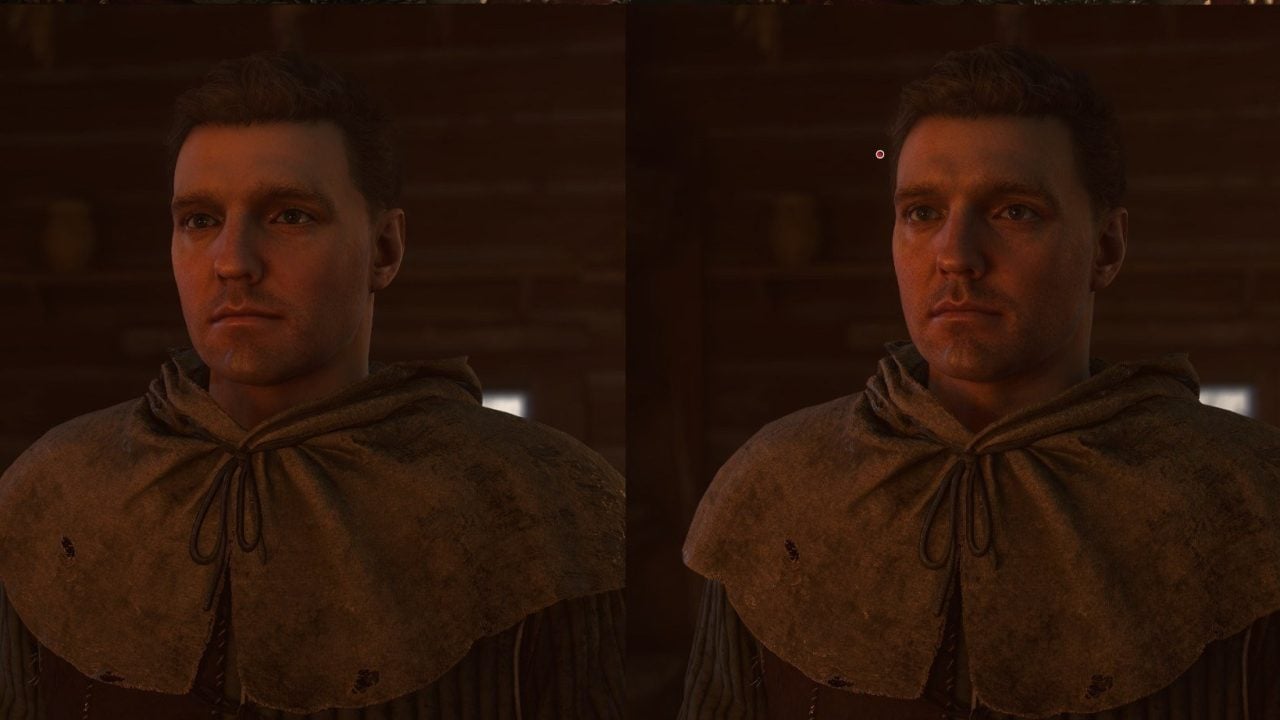
NVIDIA’s DLSS 5 has become one of the most debated graphics technologies in gaming, with critics questioning whether its AI-driven rendering can preserve the artistic direction established by developers. Daniel Vávra, the director behind Kingdom Come: Deliverance and Kingdom Come: Deliverance 2, has now pushed back strongly against those concerns after testing the technology with the medieval RPG.
Vávra shared before-and-after comparisons showing characters rendered with and without DLSS 5 and argued that the technology makes Kingdom Come: Deliverance 2 closer to what Warhorse Studios originally wanted. His comments are particularly notable because some of the criticism surrounding DLSS 5 has focused on its ability to change the appearance of characters, lighting and other visual elements.
According to Vávra, however, the improvements he highlighted come from better rendering of assets that already exist in the game rather than AI creating new character geometry. He specifically pointed to missing shadows, skin detail and problems with normal maps as examples of limitations in the game’s original rendering pipeline.
Vávra Says DLSS 5 Fixes Lighting Problems in KCD 2
In a post on X, Vávra described one comparison between the original game and DLSS 5 output, emphasizing that the character model itself had not been changed. He said the enhanced version was the
“SAME MODEL WITHOUT ANY GEOMETRY CHANGES”,
while featuring improved lighting, shadows, skin texture, hair and detail.
Vávra also rejected the idea that the resulting image represents an unwanted departure from Warhorse’s artistic direction.
“I am the creative director of the game. This is our original artistic vision,”
he wrote, arguing that the game’s character models were created through photogrammetry and subsequently refined by artists.
One of his biggest complaints about Kingdom Come: Deliverance 2 before DLSS 5 involved shadows. According to Vávra, the game engine struggled to properly display shadows cast by hats, hoods and helmets onto characters’ faces, as well as smaller objects such as buckles, laces and pouches.
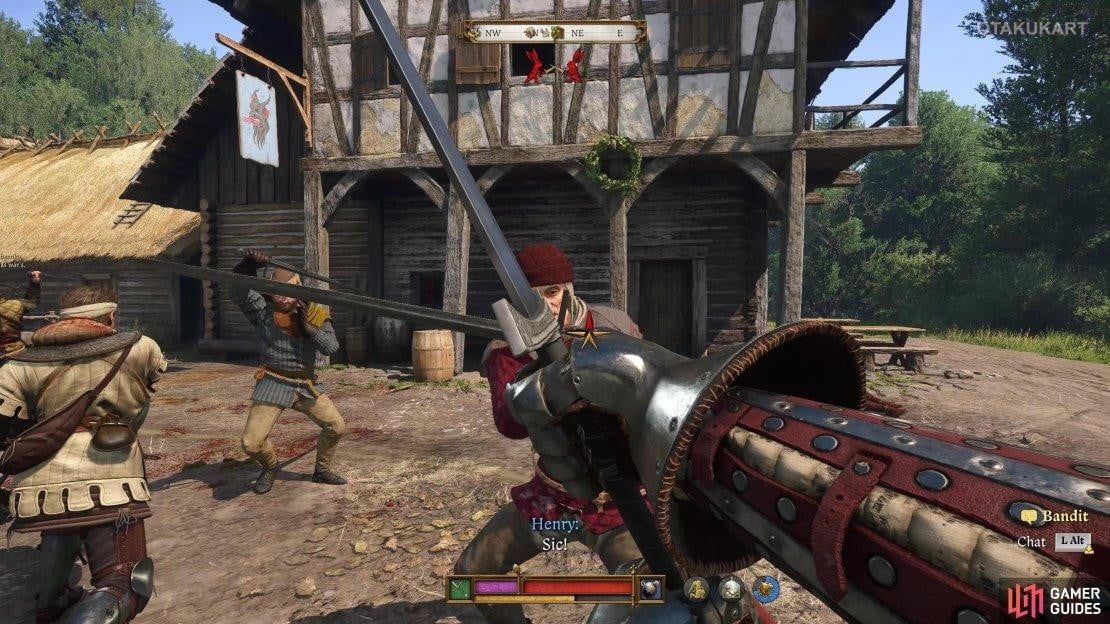
“DLSS5 does this, and it does it absolutely brilliantly!”
Vávra said, describing the technology as a major improvement to the game’s character lighting.
DLSS 5 Still Comes With a Performance Cost
Vávra’s praise does not mean DLSS 5 comes without drawbacks. He has acknowledged that the technology can significantly affect performance, describing the frame-rate reduction as a major trade-off for its visual improvements. One report citing his comments says he characterized the technology as an excellent photorealistic upgrade to the character lighting model while noting that it can cut frame rates substantially.
The debate also reflects a broader disagreement over AI-assisted rendering. Some players argue that the technology produces an overly processed appearance, while others see it as another tool developers can use to overcome limitations in traditional rendering pipelines. Recent technical explanations of DLSS 5 indicate that NVIDIA’s technology uses neural rendering to enhance elements such as lighting, shadows and material detail, while giving developers greater control over how those effects are applied.
For Kingdom Come: Deliverance 2, Vávra’s position is clear: he does not consider DLSS 5 a replacement for Warhorse’s artistic work. Instead, he believes it can help the final image better reflect the models and visual details the development team originally created.