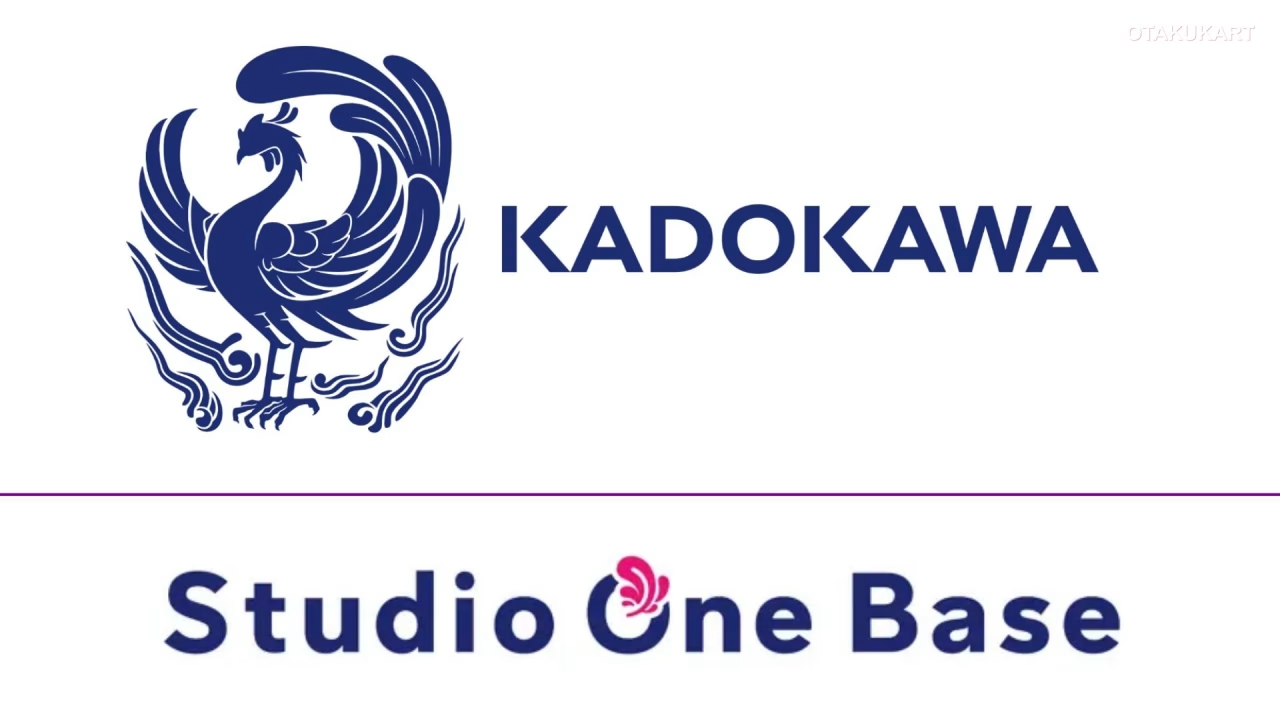
Kadokawa plans to more than double its annual anime production capacity by fiscal year 2031 through its newly established animation company, Studio One Base. The production hub brings together five existing studios, Engi, Studio Kadan, Chiptune, Bellnox Films, and Raging Bull, under one organization in Tokyo.
According to Kadokawa’s mid- to long-term business strategy presentation, the company produced four anime cours annually in fiscal year 2025. It now aims to exceed eight cours per year by fiscal 2031 through productivity improvements and recruitment of additional animation talent.
A cour generally refers to a three-month television broadcast season, typically containing around 12 or 13 episodes. Increasing production capacity would allow Kadokawa to handle more anime projects as international demand for Japanese animation continues to expand.
Studio One Base Will Increase In-House Anime Production
Kadokawa also wants to reduce its reliance on external production partners. The publisher aims to increase the proportion of anime produced in-house from 18.2% in fiscal 2026 to 50% by fiscal 2031. This target includes other studios within the Kadokawa group, such as Doga Kobo, rather than Studio One Base alone.

The company also plans to improve operational efficiency by lowering its expense-to-revenue ratio from 12.1% to 9.5% during the same period.
Kadokawa’s restructuring comes as its anime and live-action business continues to face financial pressure. The company’s first-half financial results for fiscal 2027 reported an operating loss of approximately 804 million yen (around $5 million) for the segment, despite strong revenue from popular releases such as Re:Zero and The Saga of Tanya the Evil.
Studio One Base is intended to address these challenges by bringing production teams closer together, improving coordination, and creating a more sustainable production structure. Whether the new model can deliver higher output while maintaining animation quality and improving profitability will become clearer as Kadokawa works toward its 2031 targets.