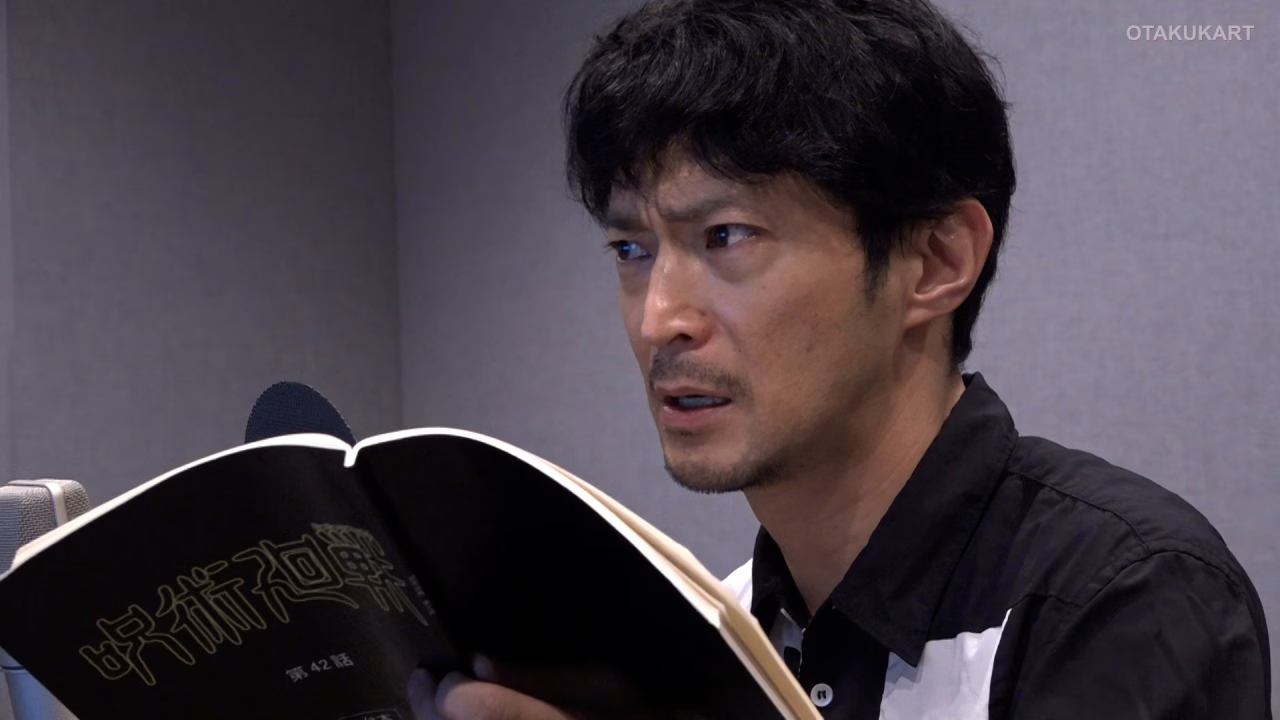
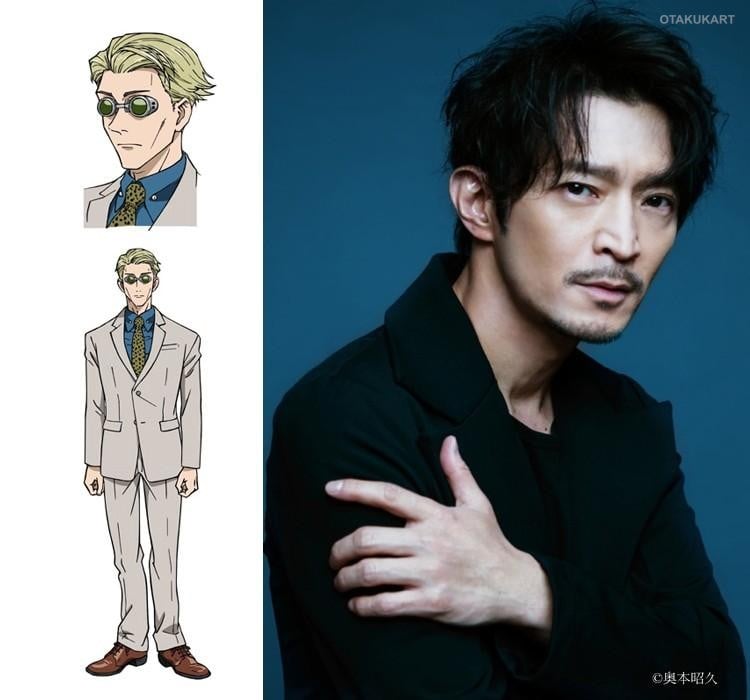
Kenjiro Tsuda, the Japanese voice actor known for characters including Kento Nanami in Jujutsu Kaisen and Seto Kaiba in Yu-Gi-Oh!, is taking legal action against TikTok over videos allegedly using an AI-generated imitation of his distinctive voice.
The case is attracting international attention as performers increasingly face concerns over artificial intelligence reproducing their voices without permission. A verdict from the Tokyo District Court is expected on September 30.
Tsuda Claims TikTok Videos Used His Voice Without Permission
The lawsuit centers on an anonymous TikTok account that reportedly uploaded at least 188 narrated videos between July 2024 and September 2025. The videos covered subjects including urban legends, occult stories, and conspiracy theories, with Tsuda’s legal team arguing that their narration closely resembled his recognizable deep voice.
According to The Japan Times, the account reportedly attracted more than 200,000 followers. Tsuda’s lawyers argue that the use of his vocal identity helped attract an audience and generated significant commercial value.
TikTok disputes that characterization. The platform has argued that the narration represents a generic male voice and that determining a resemblance to Tsuda is subjective. The dispute therefore goes beyond whether the audio sounds similar and raises questions about whether a performer can protect the commercial value associated with a recognizable voice.
Yuko Sasaki, executive director of the Japan Actors Union, told AFP that an actor’s voice comes from years of training and described the organization as strongly supporting Tsuda’s case.
Japan Is Already Examining AI Voice Protection
The lawsuit arrives as Japan examines how existing laws should apply to AI-generated imitations of voices and likenesses. The country’s Ministry of Justice established a review committee in April 2026 to examine civil liability involving unauthorized use of voices and images.
The ministry published its final report on August 7, outlining legal guidance concerning potential violations of publicity rights and other protections when generative AI is used to reproduce a person’s identity.
That makes Tsuda’s case particularly significant for Japan’s voice acting industry. A ruling could provide an important indication of how courts interpret existing protections when AI technology is used to reproduce a performer’s voice without consent.
The issue also extends beyond Japan. Performers worldwide have raised concerns about AI systems replicating recognizable voices, making the Tokyo court’s upcoming decision one that could receive attention well beyond the anime industry.

| Date Aired (Start) | October 3, 2020 |
|---|---|
| Studio | MAPPA |
| Director | Sunghoo Park |