
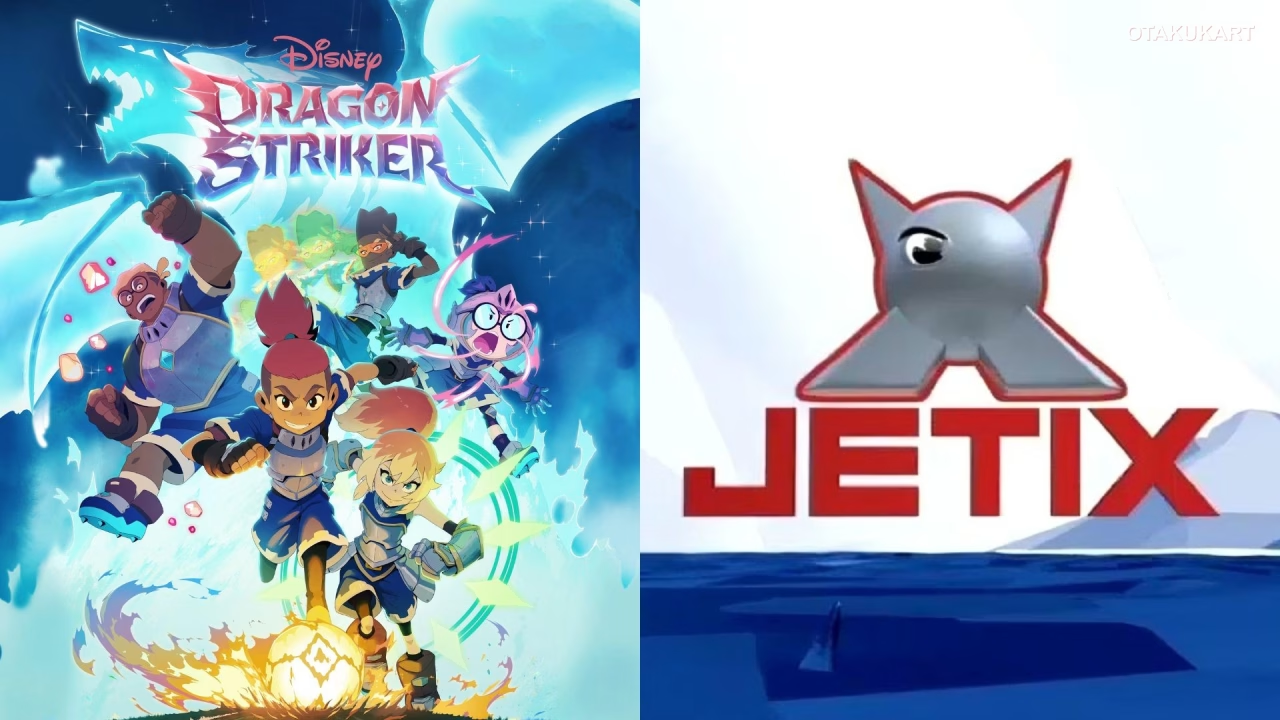
The creators of Dragon Striker have revealed that the show’s identity is deeply rooted in nostalgia, with strong inspiration coming from the Jetix era of television. Speaking in an interview with the Nexus Point News, creators Sylvain Dos Santos and Charles Lefebvre explained how the now-defunct programming block helped shape the tone and creative direction of the series.
“Jetix is part of the DNA,”
Lefebvre said, pointing to the lasting influence of anime-driven action shows that once aired on the channel. For many fans, Jetix was an introduction to anime, and that same spirit is something the creators wanted to bring into Dragon Striker.
A Nostalgic Foundation Built on Anime Influence
The Jetix connection is not just surface-level nostalgia. According to Dos Santos, the team actively drew from the style and structure of anime series that defined the era.
“We watched a lot of Jetix, so there is something with the creation we made,”
he said.
Lefebvre added a more personal perspective, explaining how those early viewing experiences shaped his creative approach.
“Jetix was a little home for me,”
he said, referencing how shows like Cardcaptor Sakura and Medabots introduced him to anime storytelling.
This influence is reflected in Dragon Striker’s fast-paced action, serialized storytelling, and emphasis on character-driven arcs. It also explains why the show feels like a continuation of the kind of programming once associated with Jetix and later Disney XD.
More Than Just a Sports Story
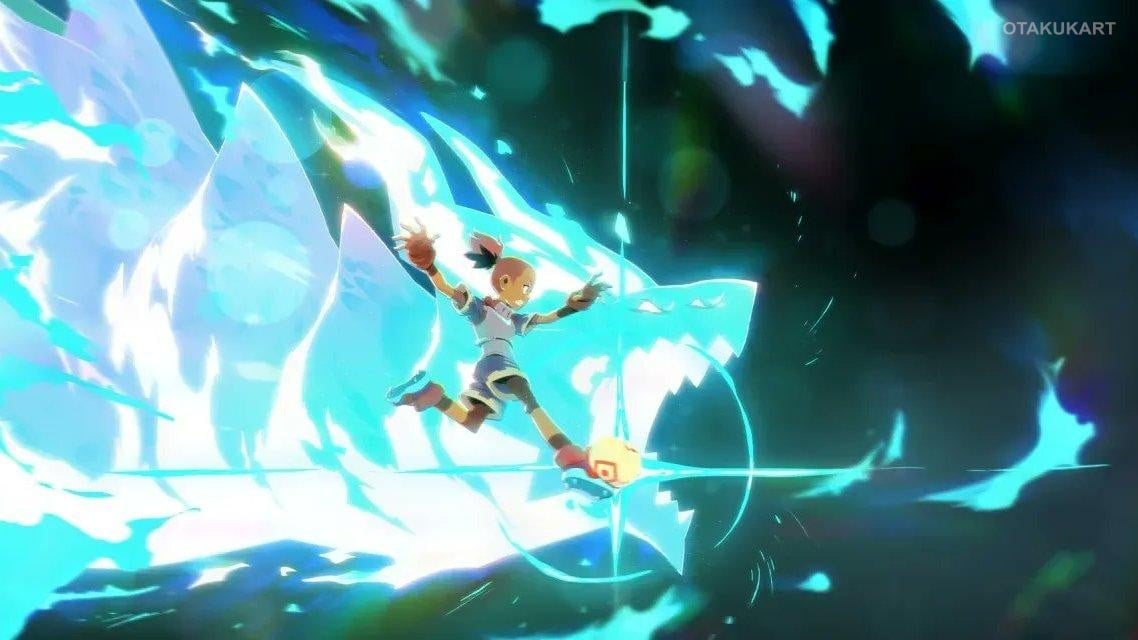
While Dragon Striker revolves around the fictional sport Gorotama, the creators were clear that the series is not a traditional sports show. Instead, it blends athletic competition with a broader narrative that includes mystery, magic, and character development.
“If you compare it to other sports shows like Inazuma Eleven or Eyeshield 21, it’s way less about the sport itself,”
Dos Santos explained. “It’s about the universe, and around the sports there’s a lot of plot.”
This approach allows the series to appeal to a wider audience. Lefebvre described the concept as combining sports with action spectacle.
“The idea was to have it be a gladiator game… something that’s really spectacular,”
he said, emphasizing the show’s hybrid identity.
Building a World Around Gorotama
The sport of Gorotama plays a central role in the series, but it also serves as a gateway into the show’s larger world. According to the creators, designing the sport was the starting point for everything else.
“That was the first stone of the project,”
Dos Santos said.
“We really wanted to create a sport mixed with magic inside a very concrete universe.”
Gorotama is tied to the world’s politics, economy, and history, making it more than just a gameplay mechanic within the story. This layered worldbuilding is another element influenced by anime, where fictional systems often drive both plot and character development.
To achieve the high-energy action associated with anime, the production team collaborated with experienced animators, including talent with backgrounds in major Japanese series.
Lefebvre revealed that parts of the animation were handled in-house, with contributors who had worked on shows like My Hero Academia and One Piece. This decision helped ensure that the action sequences matched the intensity and quality fans expect from anime-inspired content.
The result is a visual style that blends Western animation with anime sensibilities, reinforcing the show’s Jetix-era influence.