
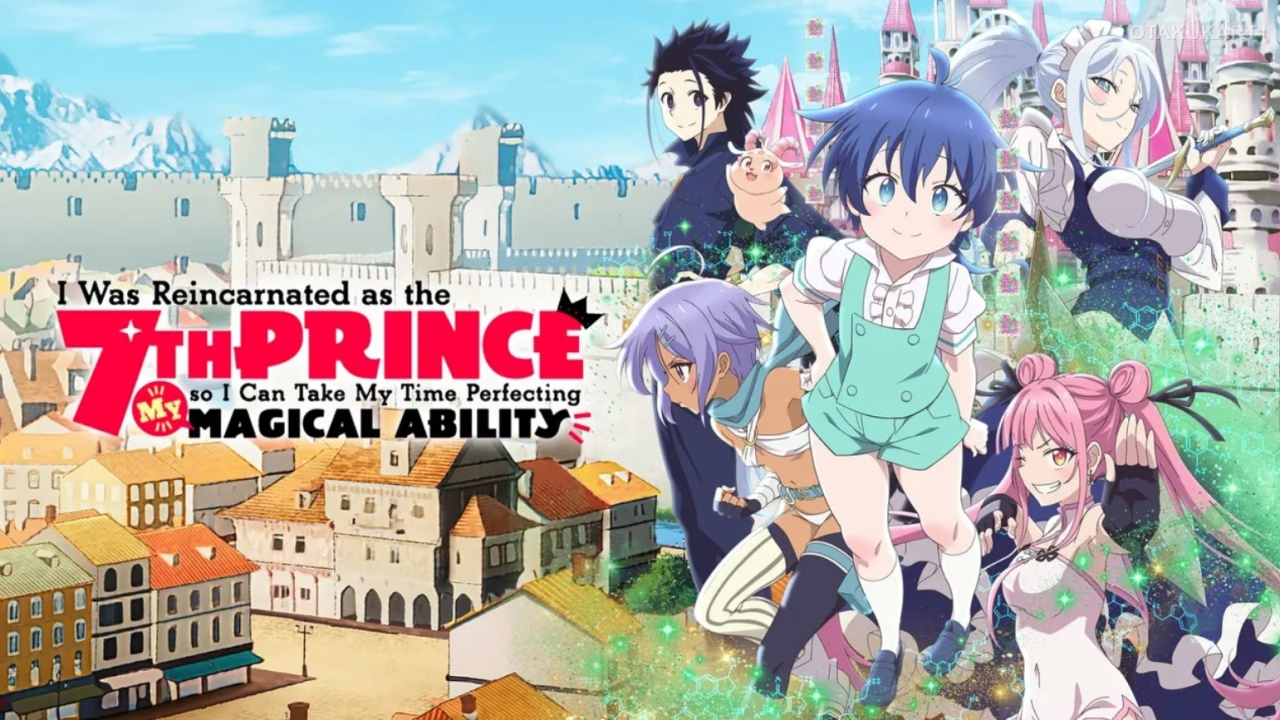
Japanese manga titles have become dramatically longer over the past 15 years, with their average length nearly doubling between 2011 and 2026. The finding comes from a new analysis by Japanese digital bookstore BookLive, which examined manga title data alongside purchasing behavior and reading trends.
The study found that the average Japanese character count for first-volume manga titles increased from 9.14 characters in 2011 to 18.45 characters in 2026. The median also doubled from eight characters to 16. The trend is particularly visible in titles aimed at women, which averaged 19.46 characters in 2026 compared with 17.11 characters for manga aimed at men.
Why Manga Titles Are Becoming So Long
BookLive attributes the shift partly to readers becoming more conscious of time and value for money. Longer titles can explain a manga’s premise, genre, protagonist, or setting before someone decides whether to purchase it.
The company also points to the influence of web novels. Synopsis-like titles that became popular in web fiction can function almost like searchable tags on digital bookstores, allowing readers to immediately understand what a story offers.
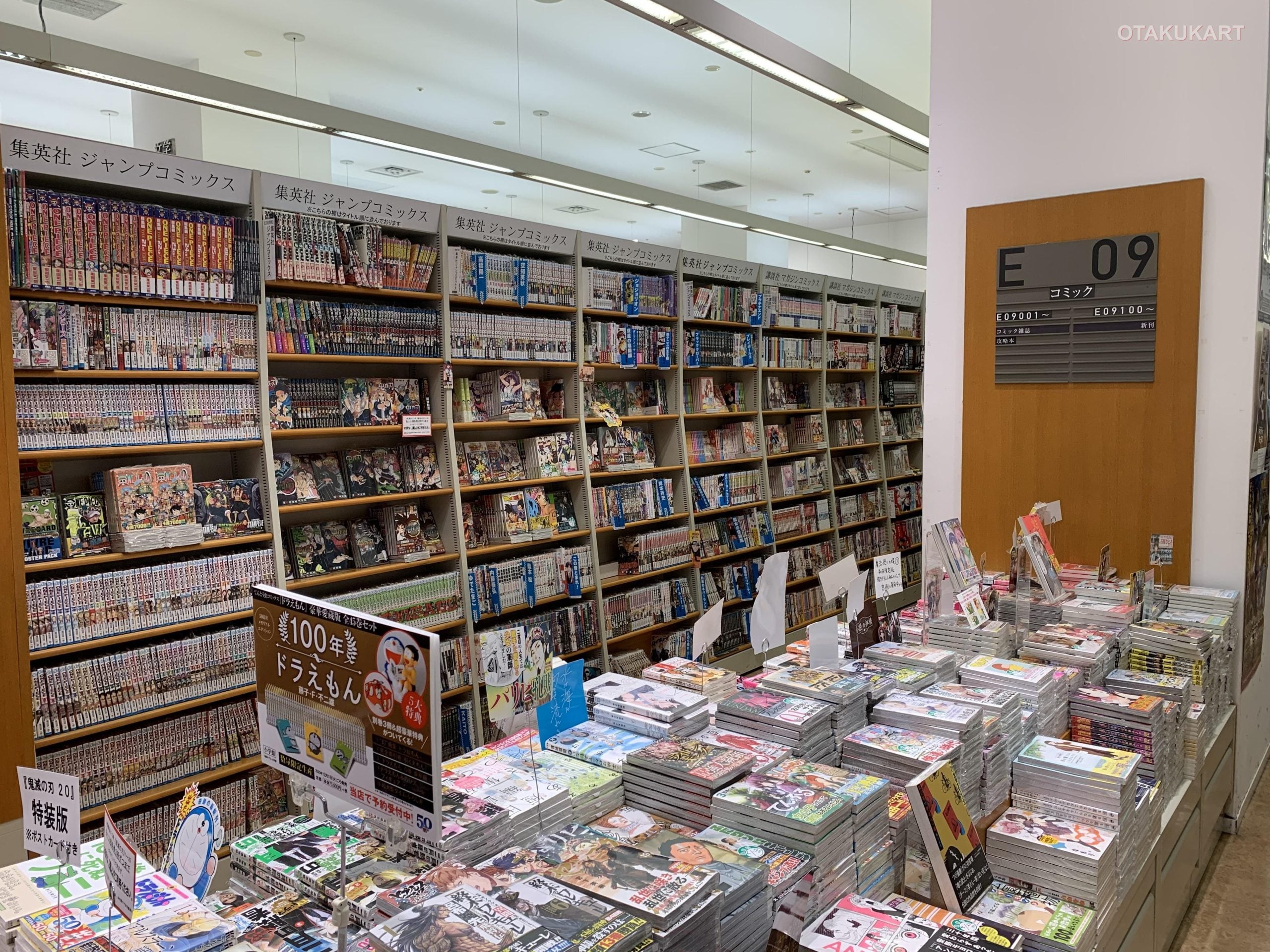
This trend is especially noticeable in popular genres. Words associated with isekai, reincarnation, and the strongest protagonist have increasingly appeared in shonen and seinen manga titles, often revealing major aspects of a story’s world or protagonist before readers even open the first page.
Titles aimed at female readers have undergone their own major transformation. BookLive’s analysis found that romance-related terms such as “love,” “marriage,” and “romance” were prominent around 2016, while terms connected to realistic drama appeared more frequently around 2019. Since 2021, words associated with villainesses, saints, doting romance, and other isekai concepts have become increasingly prominent among popular works.
The study also reveals that Japanese digital manga readers are not relying exclusively on the biggest hits. During the most recent year analyzed, BookLive’s top 100 best-selling manga accounted for only 15.3% of total sales, meaning roughly 85% came from titles outside that group.
Furthermore, 42.9% of readers did not purchase a single title from the top 100, suggesting that digital platforms are supporting a much broader range of reading choices.
Readers are also purchasing more books per transaction. The average number increased from 1.19 books in 2011 to 2.82 in 2026, while average spending per transaction rose from ¥567 to ¥1,327. BookLive links this behavior to the convenience of digital manga and promotional campaigns that encourage readers to purchase multiple volumes at once.