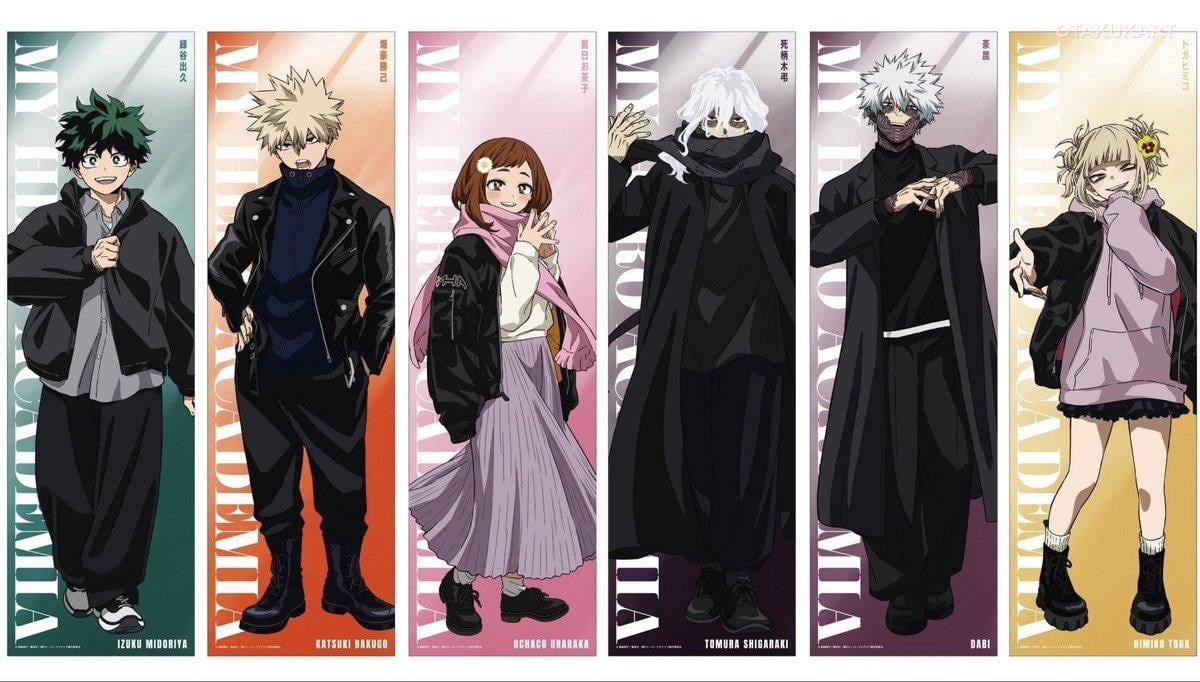
Japanese fashion retailer WEGO has canceled its planned collaboration with My Hero Academia just days before the merchandise was scheduled to go on sale. The partnership was announced on September 7, with clothing and merchandise featuring newly drawn versions of Izuku Midoriya, Katsuki Bakugo, Ochaco Uraraka, Shoto Todoroki, Tsuyu Asui and Kyoka Jiro originally scheduled for release on September 18, 2026.
The cancellation was announced by WEGO on September 12, with its official notice stating only that the collaboration would be withdrawn due to “various circumstances” and apologizing for the inconvenience.
Why the My Hero Academia Collaboration Became Controversial
The planned September 18 release date became a major point of criticism in China because it coincides with the anniversary of the September 18 Incident in 1931, when the Japanese military used an explosion near a railway in Mukden, now Shenyang, as a pretext for military action in northeastern China.
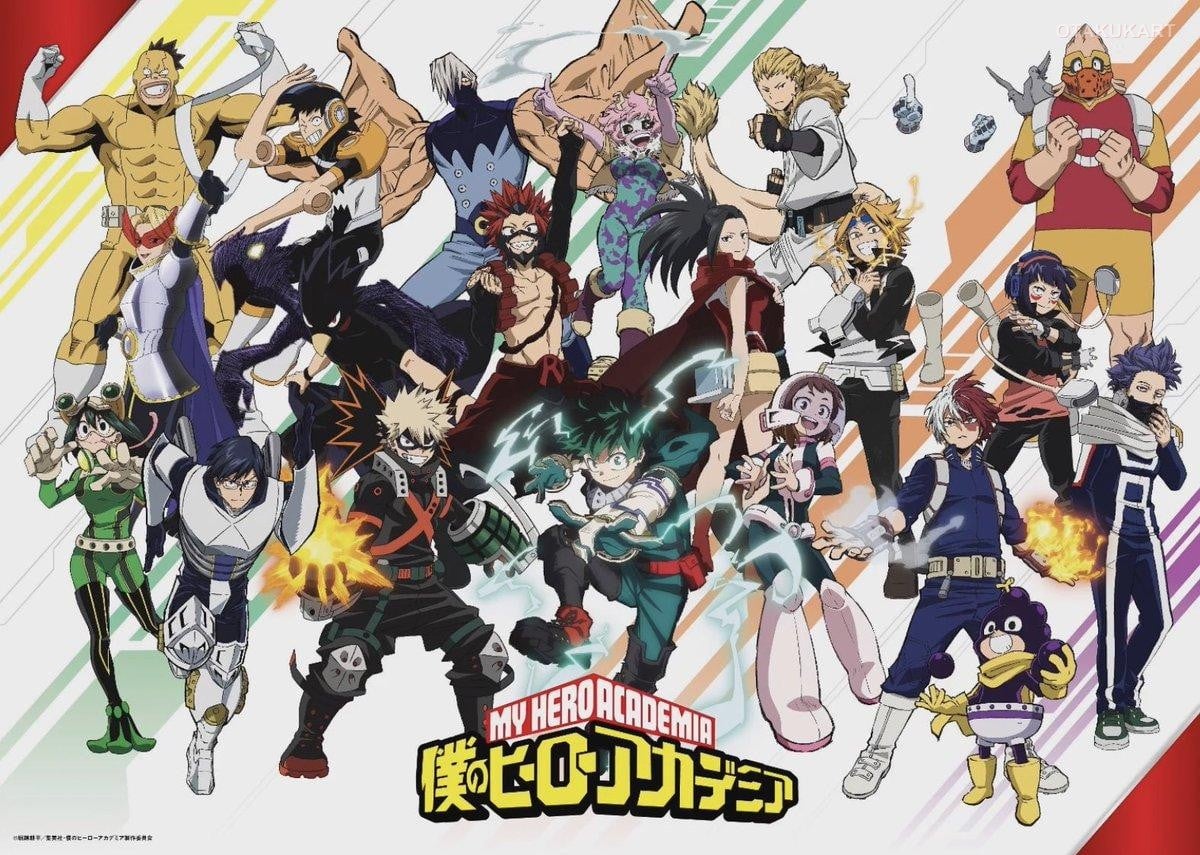
The My Hero Academia franchise has also faced controversy in China over the character name Maruta Shiga, introduced in the manga in 2020. Critics connected “Maruta” to terminology associated with victims of Japan’s Unit 731, while “Shiga” was viewed as a reference to bacteriologist Kiyoshi Shiga. The controversy previously led Chinese platforms to remove My Hero Academia content.
WEGO’s Chinese operation subsequently issued an apology and said the Japanese parent company had failed to conduct sufficiently careful checks when planning the collaboration. According to Global Times, the Chinese statement also said the partnership had been formally terminated and related promotional materials deleted.
However, the Japanese notice used much more limited language, saying the products would be suspended “due to various reasons.” That difference has fueled another wave of criticism, with some Chinese social media users arguing that WEGO’s Japanese statement failed to directly acknowledge the historical sensitivities surrounding the controversy.
WEGO had been preparing to expand its presence in China, including plans for a flagship Shanghai store, making the backlash particularly significant for the brand’s international strategy.