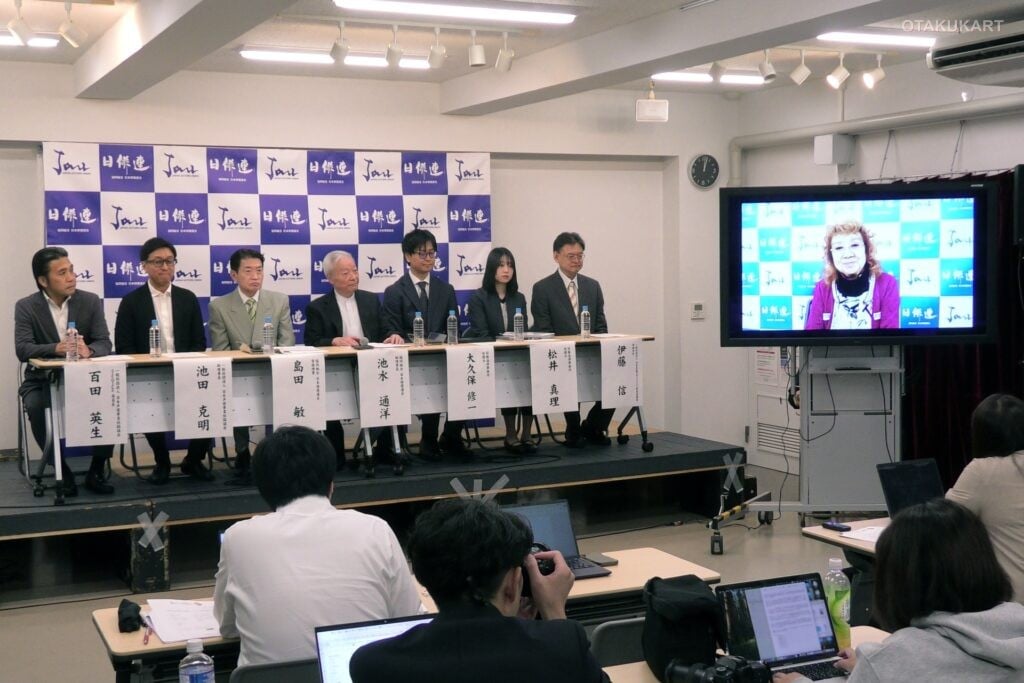
Japan’s entertainment industry is taking another step toward addressing the growing use of generative AI in voice acting. The Japan Actors Union (JAU) announced new guidelines on October 15, 2026, outlining how companies should obtain permission before using actors’ and voice actors’ recordings to train AI systems, generate synthetic voices, or distribute AI-generated audio.
The 21-page document, titled Guidelines for the Use of Generative AI on Vocal Audio, contains six sections and 22 articles. It aims to protect performers’ rights while establishing clearer expectations for production companies and AI developers.
According to the union’s official announcement, the guidelines address concerns about recordings being collected without permission and used to create synthetic voices for commercial projects or misleading content.
The guidelines are industry standards rather than legally binding legislation. However, they establish the union’s expectations for how performers’ voices should be handled as AI voice synthesis becomes more widespread.
JAPAN ACTORS UNION CALLS FOR WRITTEN CONSENT BEFORE AI VOICE USE
One of the central requirements is obtaining the performer’s prior consent at each stage of AI use. This includes using recordings to train AI models, generating synthetic audio, and publishing or otherwise using the resulting content.
The guidelines also call for clear information about how a voice will be used and written consent that specifies the intended purpose. Performers should have greater control over their recordings, including the ability to request appropriate credit or removal of unauthorized material.
The document addresses compensation separately from traditional performance fees, recognizing that licensing a voice for AI training or synthetic voice generation can involve uses beyond an ordinary acting contract.
It also seeks to prevent performers from being treated unfairly for refusing permission or withdrawing consent. These provisions aim to make AI voice licensing more transparent for both performers and the companies using the technology.
DRAGON BALL VOICE ACTORS RAISE CONCERNS ABOUT UNAUTHORIZED AI VOICES
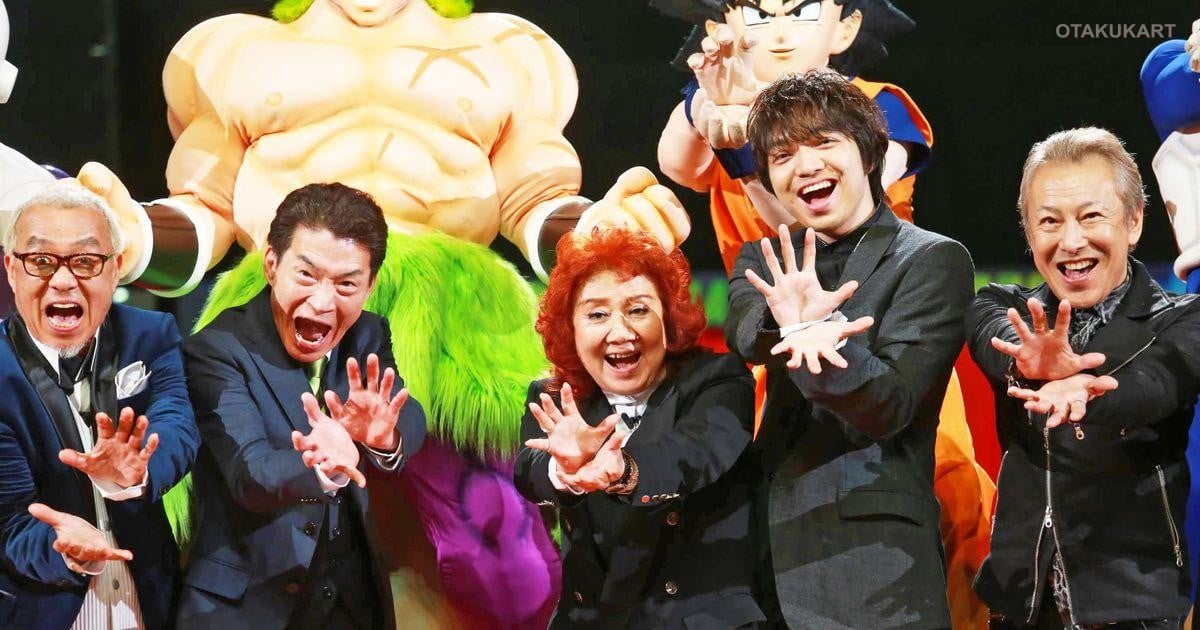
The announcement also featured comments from prominent Dragon Ball voice actors Masako Nozawa, who voices Son Goku, and Bin Shimada, known for voicing Broly. Both discussed how AI-generated voices can affect performers when their recordings are reused without permission.
Nozawa expressed mixed feelings about the technology, acknowledging its potential while criticizing unauthorized use of actors’ voices.
“But our voices are being used without our consent. It’s a bit disappointing,”
she said during the press conference.
She also expressed hope that following appropriate rules would allow humans and AI to coexist creatively.
Shimada described hearing an AI-generated version of Ado’s song “Usseewa” using a voice resembling his portrayal of Broly. He recalled being stunned before becoming angry about the implications. He argued that using a voice for personal enjoyment is different from publishing synthetic performances online without the performer’s knowledge, particularly when the content is intended to attract followers or generate revenue.
The comments highlight a central concern behind the new guidelines: AI technology can reproduce recognizable vocal characteristics, potentially making it difficult to distinguish authorized performances from synthetic imitations.
NEW RULES ADDRESS ANIME DUBBING AND DECEASED PERFORMERS
The JAU guidelines include special provisions for Japanese-language animation and dubbed productions, as well as multilingual localization and overseas distribution. They also address the use of recordings belonging to deceased performers, establishing restrictions on generating new vocal works from their voices.
The union’s announcement follows several years of efforts by Japanese performers to address unauthorized AI voice use. Voice actor Yūki Kaji introduced his Soyogi Fractal voice synthesis project in 2024, seeking to provide a more controlled way to use his voice through an official program. Other performers have also organized against unauthorized generative AI applications.
The issue has gained further attention through legal disputes involving AI-generated voice imitations. However, the new JAU guidelines do not themselves create a new law. Instead, they provide a framework for consent, compensation, transparency, and accountability that the industry can adopt as legal protections continue to develop.