
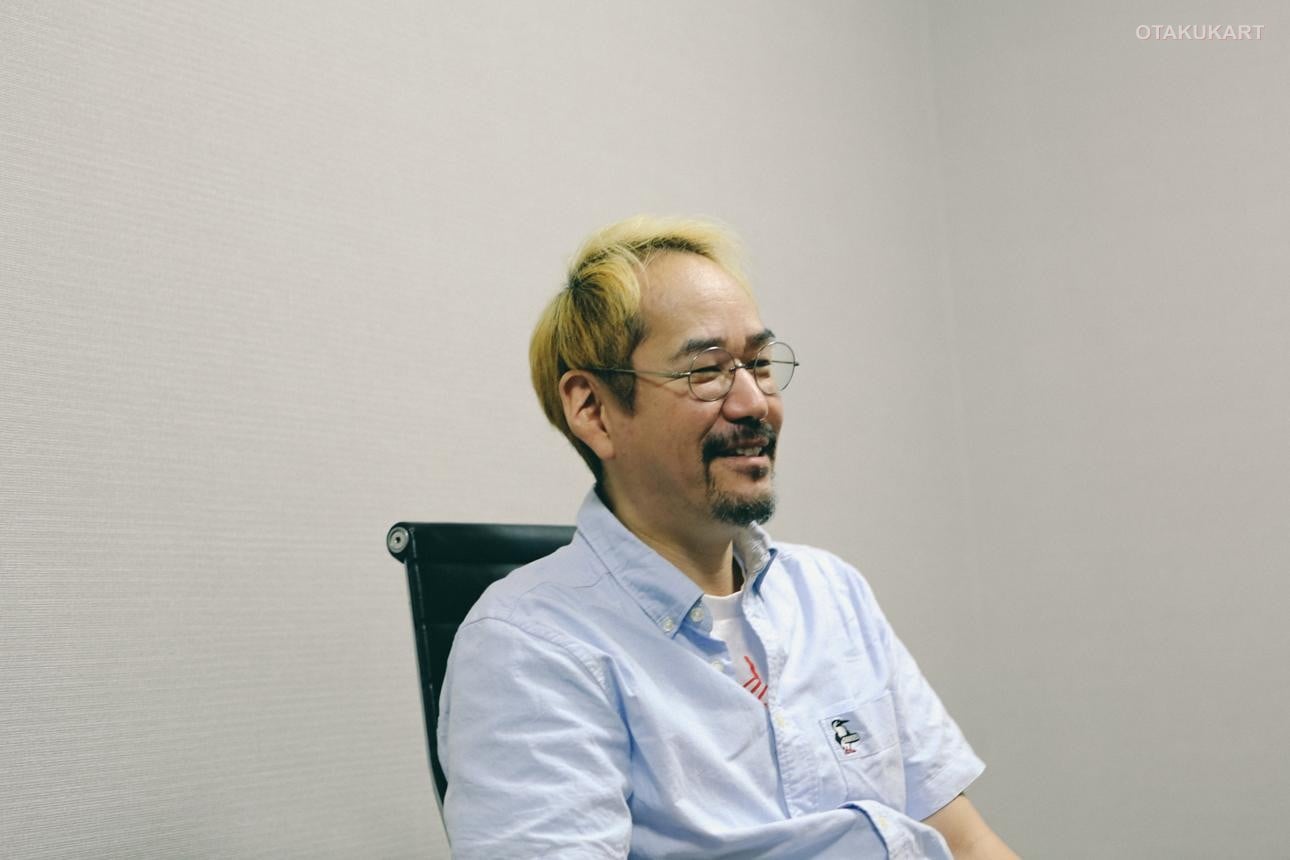
Anime director Kenji Kamiyama has criticized the impact of Japan’s Cool Japan Fund, arguing that its financial support did not reach the creators responsible for producing anime. In an interview with Futaman, the Ghost in the Shell: Stand Alone Complex director discussed the industry’s growing commercial success alongside persistent problems involving production costs, labor shortages, and creator compensation.
Established in 2013, the Cool Japan Fund was designed to promote Japanese culture and businesses internationally through financial investments. However, the initiative faced substantial losses, and plans to dissolve the fund prompted renewed criticism of how its resources were allocated.
Discussing the situation, Kamiyama said,
“Of course it’s frustrating to hear people say that Cool Japan has failed when none of that money really made its way down to us. But in some respects, it may be something we just have to accept.”
He also acknowledged that anime production requires considerable investment and manpower. From his perspective, investors may still consider anime a promising market, but that does not reflect the difficulties experienced by people managing productions on the ground.
Cool Japan Fund’s Investment Strategy Raises Questions
The controversy comes as Japan reviews the fund’s performance ahead of its planned dissolution. A November 9 assessment by Japan’s Ministry of Economy, Trade and Industry found that only around 30% of the fund’s investments went into the content industry, with much of that money directed toward distribution rather than production.
Interestingly, the review found that investments across games, anime, manga, and music achieved a combined recovery rate of 120%. This means those sectors generated returns above the amount invested, even as the fund suffered substantial losses elsewhere. The figures highlight the difference between commercial returns and the amount of support reaching individual creators.
Kamiyama also discussed the responsibility of established directors toward younger talent. While he believes experienced creators can help improve working conditions, he warned against assuming that greater creative freedom alone would solve the industry’s problems.
He argued that creative constraints can sometimes help talented people develop, but stressed that this should never mean expecting them to live in poverty. Kamiyama wants anime professionals to have financial security and believes the industry still has considerable room to improve.
Despite these concerns, he described Japan’s anime industry as relatively prosperous, noting that its enormous production output has also allowed some creators more time to develop commercial projects. However, he connected that opportunity to the labor shortages affecting production teams.