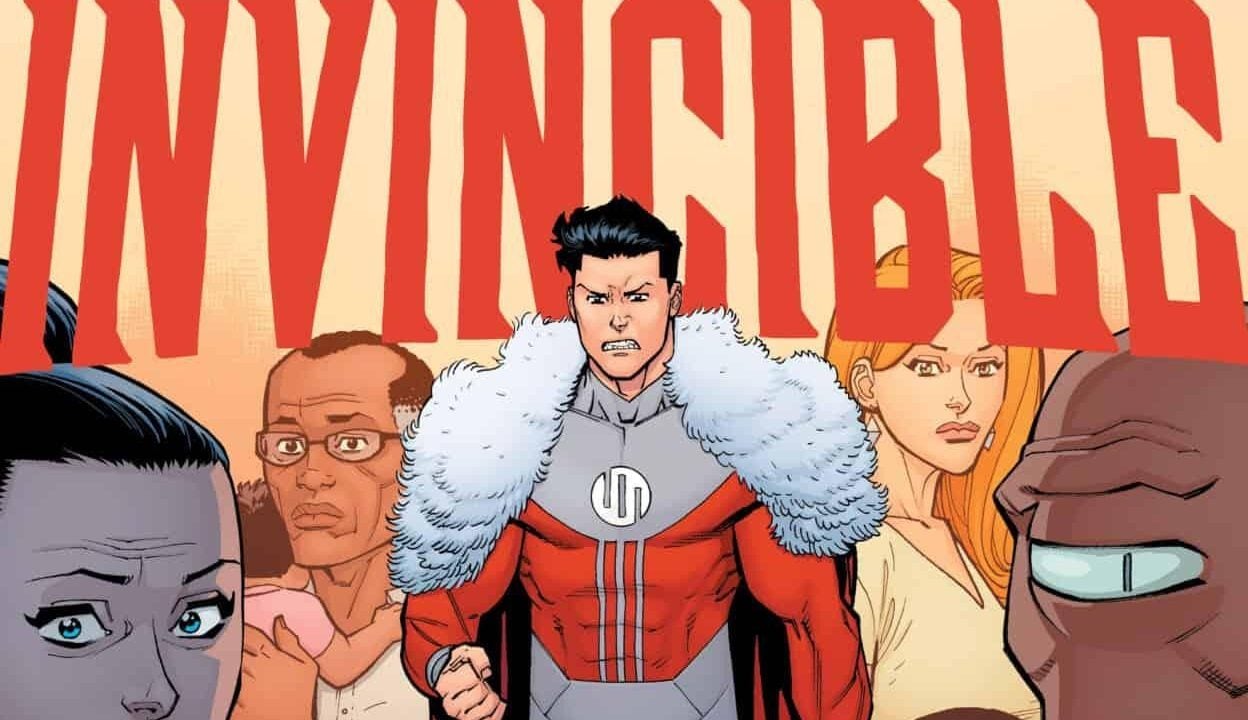
The question of whether Invincible will ever continue beyond its original ending has lingered among fans for years, especially as new readers and viewers discover the series through its animated adaptation. With the release of Invincible Universe: Battle Beast #10, that speculation has once again resurfaced, driven by readers eager to see more stories set in the same timeline. However, creator Robert Kirkman has now offered one of his clearest responses yet, firmly shutting down the idea of a direct continuation.
The comments come from the letters section of the issue, where Kirkman and editor Ben Abernathy respond to fan questions. While the section is often playful and engaging, this time it delivers a definitive stance that directly addresses ongoing theories about sequels, spin-offs, and future timelines.
Robert Kirkman Addresses Sequel Speculation Head-On
Fan curiosity about a follow-up series—particularly one centered around Mark Grayson’s daughter—has been a recurring topic within the Invincible community. The idea of continuing the legacy through the next generation feels like a natural progression, especially given how the original story ends on a forward-looking note.
However, Kirkman made it clear that this direction is not something he intends to pursue. In his own words:
“A continuation of INVINCIBLE is unlikely. I just wouldn’t want to do anything to mess up how it ended. Why is everyone asking about the ending for this story? It’s still a ways away, don’t you worry!”
This statement directly addresses both the desire for more content and the concern about preserving the integrity of the original narrative. Rather than leaving the door slightly open, Kirkman firmly prioritizes protecting what has already been built.
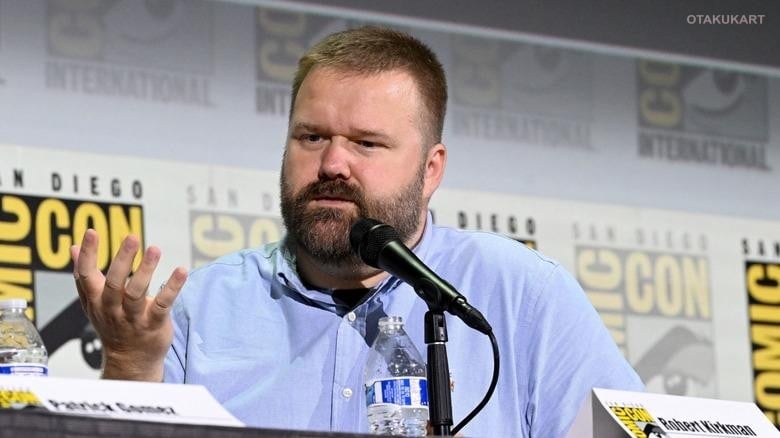
One of the key takeaways from Kirkman’s response is his emphasis on narrative finality. Unlike many long-running comic franchises that rely on reboots or endless continuations, Invincible was designed with a clear beginning, middle, and end.
By ruling out a sequel, Kirkman is reinforcing the idea that the story’s conclusion is meant to stand on its own. Any attempt to extend it could risk diluting its emotional impact or introducing inconsistencies that undermine its themes.
This approach is relatively rare in modern comics, where successful properties are often expanded indefinitely. Kirkman’s stance suggests a deliberate creative choice to treat Invincible as a complete work rather than an ongoing franchise that must continuously evolve.
Despite the clarity of Kirkman’s statement, the demand for more stories isn’t surprising. The Invincible universe remains rich with unexplored possibilities, and characters like Battle Beast continue to capture audience interest through spin-offs and side narratives.
The success of the animated series has only amplified this curiosity. New fans entering the franchise often approach it with expectations shaped by other superhero universes, where sequels and spin-offs are the norm rather than the exception.
Additionally, the way Invincible ends naturally invites speculation. By showing a future that feels open and expansive, it encourages readers to imagine what could come next, even if the creator has no intention of exploring it.
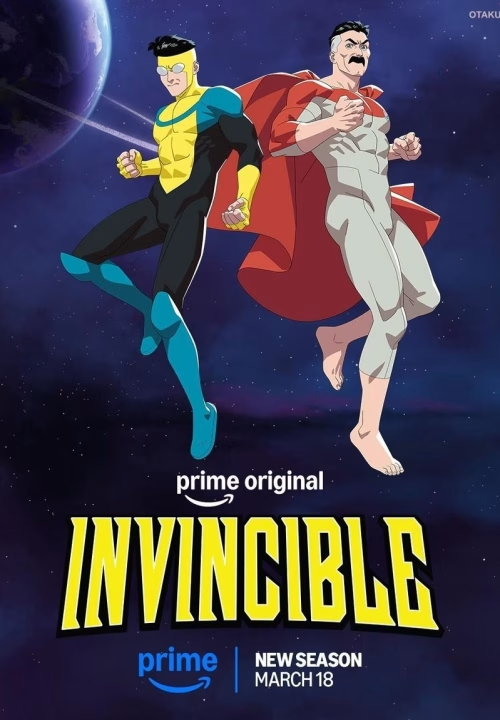
| Premiere Date | March 26, 2021 |
|---|---|
| Network / Service | Amazon Prime Video |
| Creator | Robert Kirkman, Simon Racioppa |