
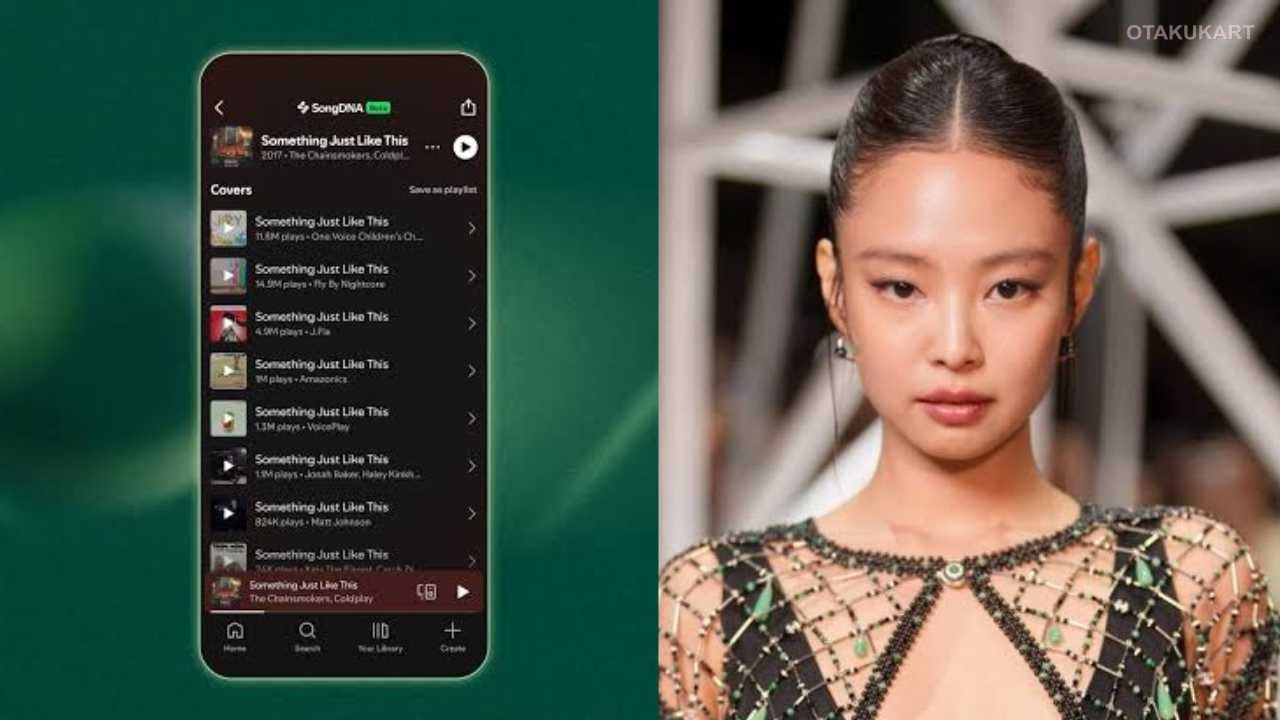
Spotify’s innovative feature, SongDNA, has officially crossed the impressive milestone of 100 million active users worldwide.
Designed to give listeners a deeper look into the creative architecture behind their favorite songs, SongDNA allows music lovers to explore comprehensive song credits, sample breakdowns, production histories, and artist lineages in real time.
As the feature hit nine-figure engagement, global genre trends revealed that Pop leads the user base with 24.3 million dedicated explorers, closely trailed by Hip Hop with 24.0 million users.
However, beyond general genre distribution, the data highlights a clear cultural driver behind the feature’s rapid growth: the extraordinary passion and meticulous analytical habits of global K-pop fandoms.
K-pop listeners have integrated SongDNA into their daily listening rituals at an unprecedented rate, transforming what was once a quiet metadata feature into a vibrant hub for fandom engagement, artist discovery, and creative appreciation.
The “JENNIE Effect” and the Rise of Cross-Genre Super-Collaborations
At the very top of SongDNA’s global charts, the collaboration track “Dracula (Remix)” by Tame Impala and JENNIE secured the number one position as the single most-viewed track in the feature’s history.
The unprecedented crossover between Australian psych-rock icon Tame Impala and K-pop global superstar JENNIE generated a wave of curiosity that sent millions of listeners diving straight into the song’s underlying metadata.
Listeners were eager to learn how the track came together, who handled the intricate arrangement, and how the synthesis of two distinct musical worlds was executed in the recording studio.
This surge in interest spawned what industry analysts are calling the “JENNIE Effect.”
JENNIE’s official Artist DNA destination quickly became the most-clicked creator profile across the entire platform, driven directly from top track navigation links.
Over 93,000 unique listeners clicked through her credits in record time, examining her songwriting contributions, production credits, and solo catalog connections.

Reflecting on the profound connection between artists and listeners in modern music, JENNIE stated,
“Collaborating across genres allows us to connect with new audiences and share a deeper narrative, while giving fans the chance to explore every creative detail that goes into making a song.”
This level of intense engagement is not an isolated incident.
BTS also remains among the most heavily searched and viewed Artist DNA pages on Spotify, maintaining a permanent presence alongside global heavyweights like Taylor Swift, Drake, and Bad Bunny. K-pop fans consistently demonstrate that their appreciation extends far beyond the surface layer of a radio edit, turning metadata into a celebration of artistry.
Behind-the-Scenes Curiosity and the Evolution of Modern Fandom
The underlying reasons for K-pop’s massive impact on SongDNA stem from a unique culture of deep engagement and creative curiosity.
For dedicated K-pop enthusiasts, listening to an album is an immersive experience that involves analyzing tracklists, identifying recurring songwriting teams, and celebrating the contributions of behind-the-scenes producers and vocal directors.
When a new song drops, fans actively turn to SongDNA to trace who wrote the melody, who composed the backing instrumental, and which legendary audio engineers mastered the final mix.
A Spotify spokesperson highlighted this shift in listener behavior, saying,
“Music fans today are no longer passive consumers; they want to know the whole story behind the sound, from the sample sources to the room where the vocal was recorded.”
SongDNA satisfies this exact desire by transforming standard streaming sessions into interactive discovery funnels.
A listener might start by checking the producer on a single hit and end up exploring an entire sub-catalog of indie producers or international arrangers.
Also, cross-genre collaborations act as critical bridges for global fandom expansion.
When a K-pop artist collaborates with Western pop, hip-hop, or alternative musicians, SongDNA gives listeners from both sides a clear path to explore new discographies.
This interconnected web of credits fosters a deeper respect for musical craftsmanship, proving that detailed metadata is no longer just a industry utility, but a vital engine for modern fanbase growth and artistic exploration.