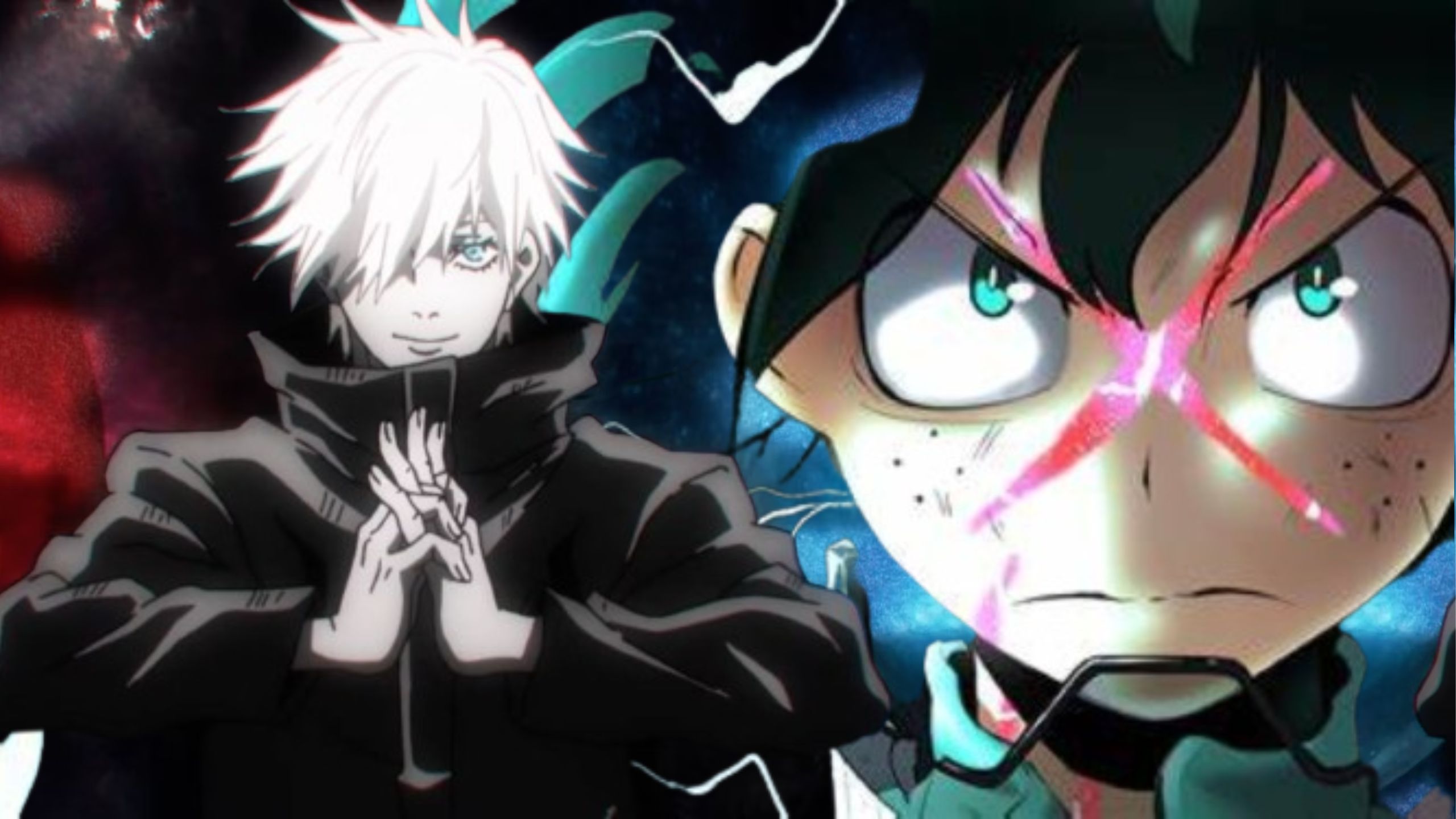
When it comes to modern anime and manga, few names resonate as powerfully as My Hero Academia and Jujutsu Kaisen.
These two series have not only attracted audiences with their gripping narratives and unforgettable characters but have also become pillars of contemporary pop culture.
Their initial releases were met with widespread acclaim, and as time passed, both series amassed a devoted fanbase that continues to grow.
It’s nearly impossible to discuss the top-tier anime and manga of the current era without mentioning these two juggernauts.

The success of My Hero Academia and Jujutsu Kaisen can be largely attributed to the visionary talents behind them Kohei Horikoshi and Gege Akutami.
Both authors have carved out significant spaces for themselves in the manga industry, establishing their prowess as mangakas with their unique storytelling styles and artistic expressions.
However, despite their shared success, the worlds they’ve created couldn’t be more different.
From their narrative tones to the thematic undercurrents running through their stories, Horikoshi and Akutami’s approaches stand in stark contrast to one another.
This separation is evident even in the earliest stages of their careers, particularly in the comments they made in the first volumes of their respective series.
Setting the Stage: The Authors’ Initial Remarks
As is customary in the manga industry, authors often leave brief comments at the beginning or end of a volume or chapter.
These remarks can range from personal reflections and opinions to hints about upcoming plot developments or even lighthearted observations about everyday life.
They serve as a window into the author’s mind, offering readers a glance of the thoughts and emotions that shape their work.
Kohei Horikoshi and Gege Akutami, in keeping with this tradition, each penned a few lines at the outset of their respective series.
At first glance, these comments might seem like standard fare, but upon closer examination, they reveal profound insights into the distinct creative philosophies that underpin My Hero Academia and Jujutsu Kaisen.
These introductory statements, seemingly simple at the time, now serve as a testament to the fundamental differences between the two series.
Kohei Horikoshi: A Joyful Approach to Creation
Kohei Horikoshi’s journey as a mangaka was well underway by the time My Hero Academia debuted.
Having already worked on series like Barrage and Oumagadoki Zoo, Horikoshi was no stranger to the manga industry’s demands and pressures.
Yet, with My Hero Academia, he chose to take a more relaxed and enjoyable approach to his work. This mindset is clearly reflected in the comment he made at the beginning of the first volume:
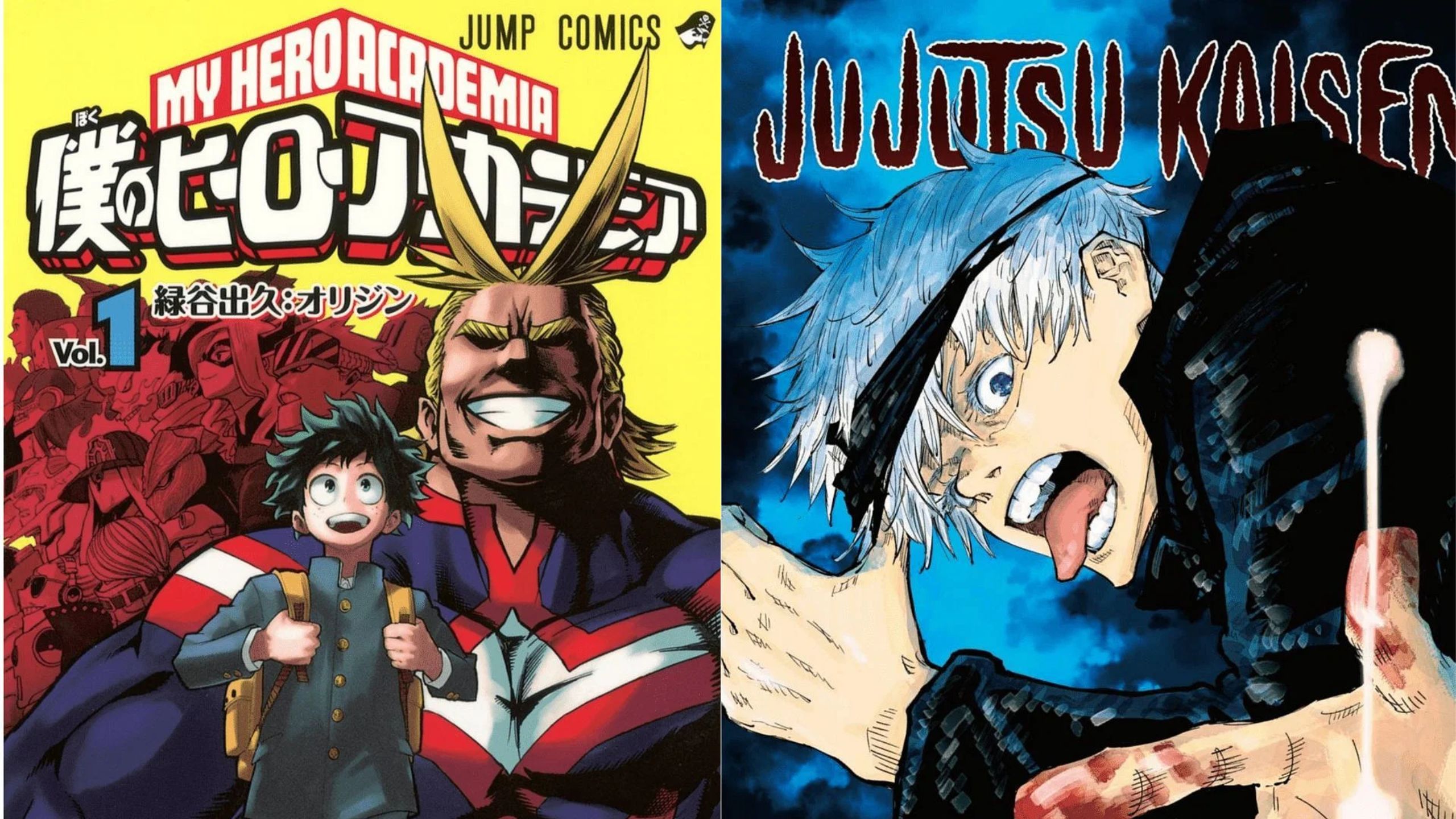
“This is my third series to be collected into graphic novels. Forgive me if this sounds reckless, but the thing I prioritize most when drawing manga is creating something that I can enjoy. This one might not remain popular, but for now, I’ll just be happy if everyone finds it as fun as I do.” – Kohei Horikoshi.
Horikoshi’s words convey a sense of contentment and a desire to create something that brings him joy, regardless of its commercial success.
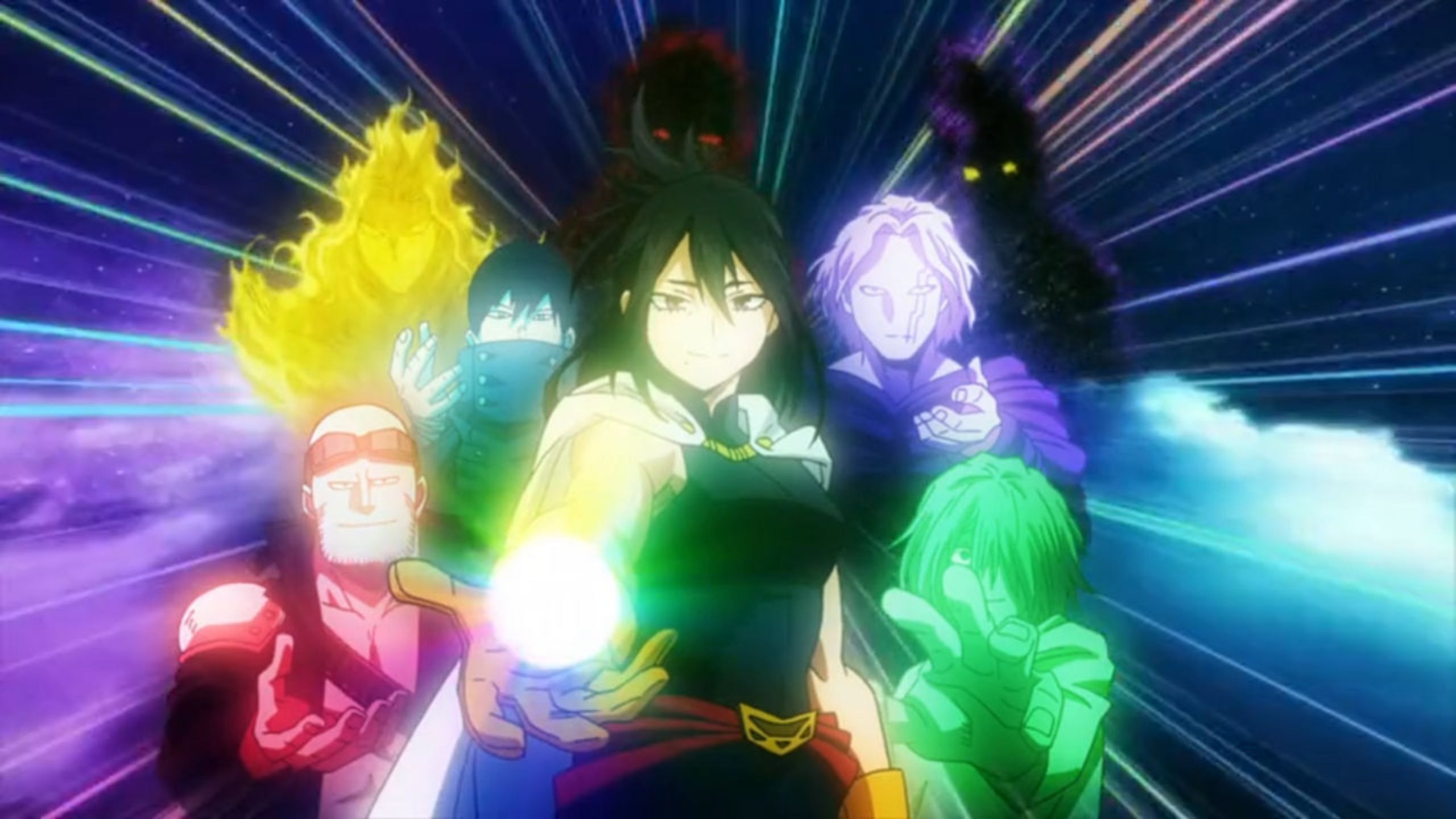
This approach is somewhat unconventional in an industry often driven by sales figures and reader rankings.
Instead of chasing trends or pandering to popular tastes, Horikoshi seems more focused on crafting a narrative that resonates with him on a personal level.
It’s an attitude that prioritizes creative satisfaction over external validation, a philosophy that arguably contributes to the authentic and heartfelt nature of My Hero Academia. This laid-back attitude is mirrored in the series itself.
While My Hero Academia adheres to many of the familiar tropes of the shonen genre heroic battles, intense rivalries, and the journey of self-discovery it does so with a positive and uplifting spirit.
The story follows Izuku Midoriya, or Deku, a young boy born without superpowers in a world where nearly everyone has them.
Despite this, he dreams of becoming the greatest hero. The series chronicles his journey as he goes into the challenges of hero academia, making friends and facing formidable foes along the way.
Light in the Darkness: Themes in My Hero Academia
Throughout the series, there is an underlying message of hope and perseverance.
Even in the face of overwhelming odds, the characters find the strength to keep moving forward, inspired by the ideals of heroism and justice.
This optimism is a reflection of Horikoshi’s own approach to his work. He seems to be saying that even if the series doesn’t achieve massive popularity, the joy he experiences in creating it is enough.
This sense of satisfaction is infectious, and it’s likely one of the reasons why My Hero Academia has resonated so deeply with audiences around the world.
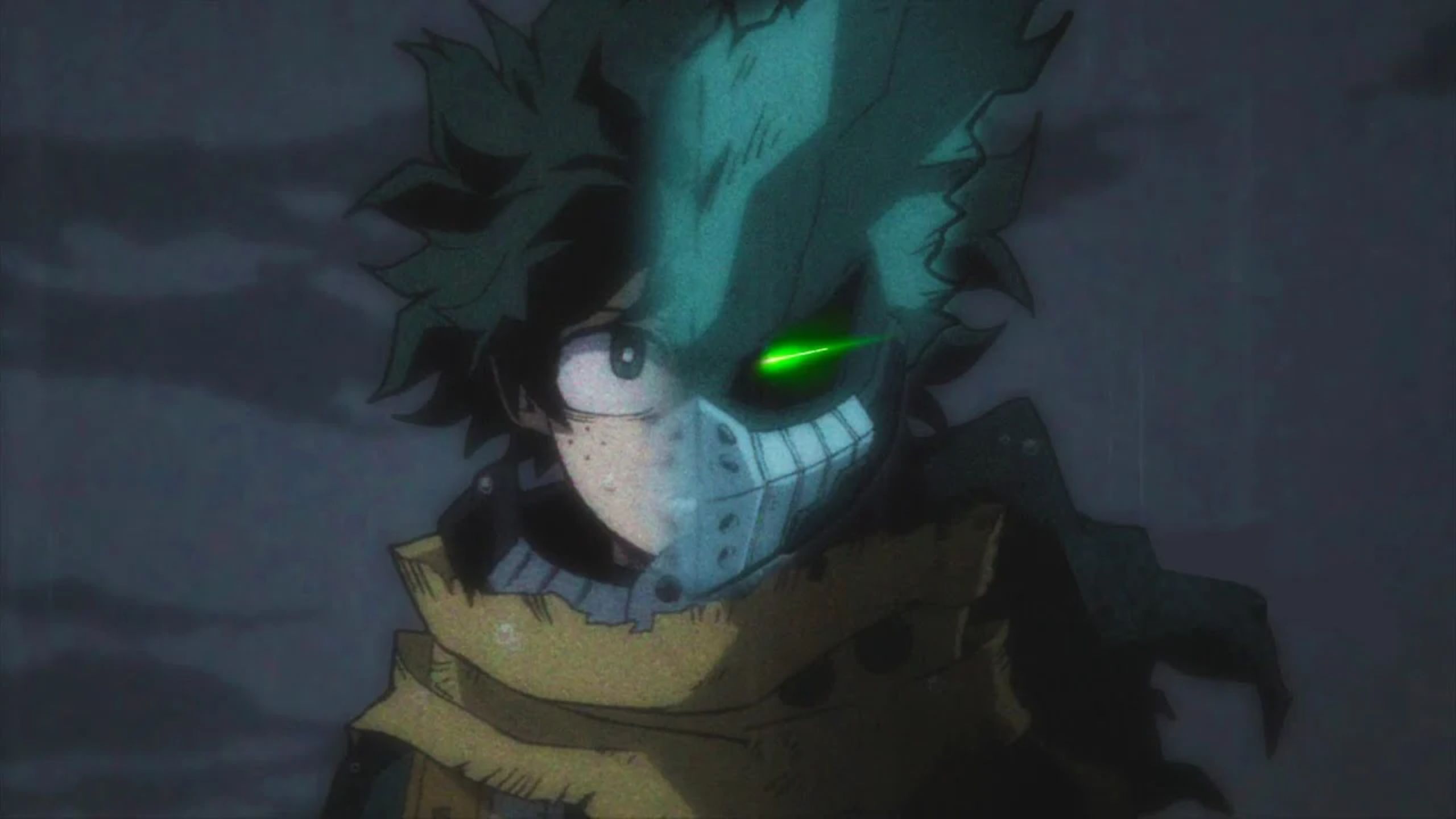
The events of the series also reflect Horikoshi’s desire to maintain a positive tone.
While the story doesn’t shy away from darker themes or the harsh realities of a world filled with superpowered individuals, there is always a sense that good will ultimately prevail.
The heroes, despite their flaws and personal struggles, are fundamentally good people striving to make the world a better place.
Even when faced with powerful and malevolent villains, the story emphasizes the importance of unity, courage, and the belief that anyone can become a hero if they have the will to do so.
This optimistic outlook is perhaps best exemplified in the climactic battles of the series.
While the stakes are high and the danger is real, there is a sense that the heroes will find a way to overcome the odds.
Even when Deku loses the power of One For All, a seemingly devastating setback, he is able to continue his journey thanks to the support of his friends and the development of new abilities.
The story acknowledges the hardships and sacrifices that come with being a hero, but it also reinforces the idea that these challenges can be overcome through perseverance and a positive attitude.
Gege Akutami: A Dark and Unpredictable Imagination
In contrast to Horikoshi’s joyful and relaxed approach, Gege Akutami’s creative process appears to be fueled by a darker and more chaotic energy.
Akutami’s comment in the first volume of Jujutsu Kaisen offers scenes into the mind of an author who is unafraid to enter into the more disturbing aspects of human nature and the supernatural:
“The other day, I saw a video of myself laughing hysterically. I was a little taken aback by how demonic I looked…I hope you enjoy that type of person’s first graphic novel.” – Gege Akutami.
These words, tinged with a sense of unease and self-reflection, hint at the twisted and unpredictable world that Akutami was about to introduce to readers.
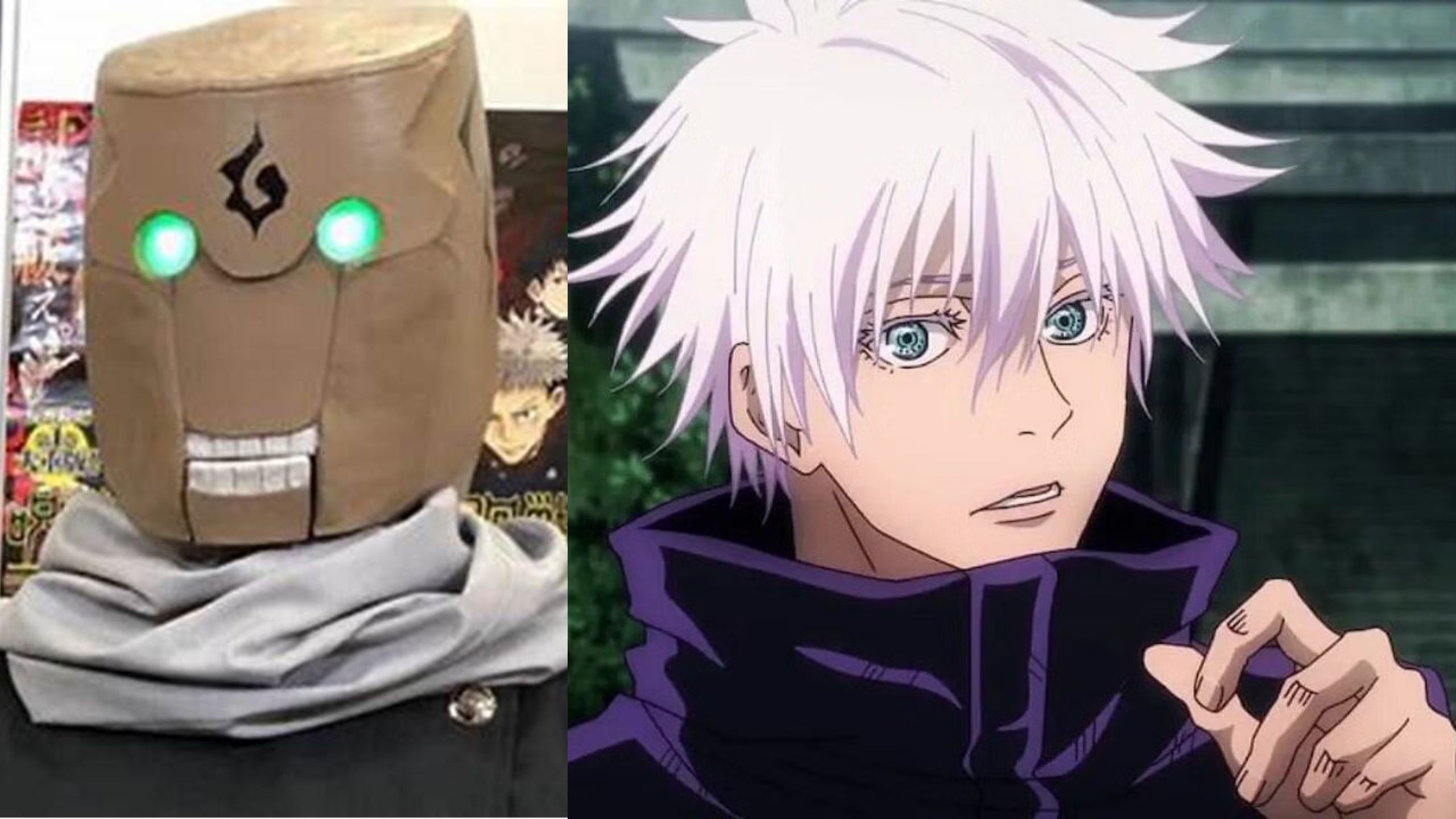
Unlike Horikoshi, who seems to find joy in the creative process itself, Akutami’s inspiration appears to stem from a more complex and unsettling place.
This is further reflected in the series Jujutsu Kaisen, which is known for its dark themes, complex characters, and a narrative that often takes unexpected and harrowing turns.
Darkness Within: Themes in Jujutsu Kaisen
Jujutsu Kaisen is heavily influenced by Akutami’s fascination with the darker aspects of life, including themes of death, curses, and the supernatural.
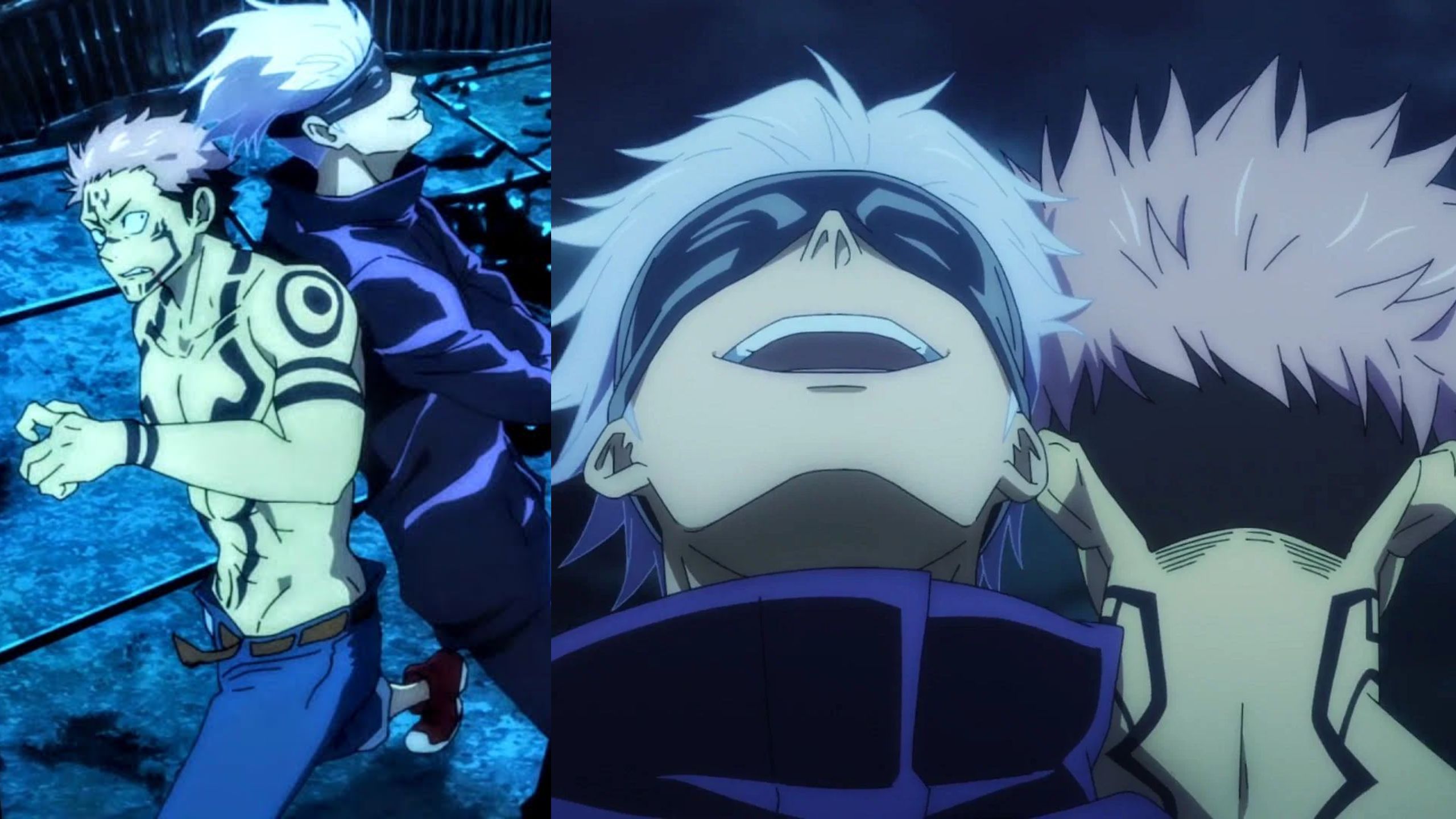
The series follows Yuji Itadori, a high school student who becomes involved in the jujutsu world of sorcery after consuming a cursed object one of the fingers of Ryomen Sukuna, a powerful and malevolent curse.
As a result, Yuji is thrust into a dangerous world where he must battle malevolent spirits and uncover the mysteries surrounding the cursed objects.
The series draws heavily on concepts from Buddhism and other spiritual traditions, but Akutami twists these ideas into something uniquely terrifying.
The curses in Jujutsu Kaisen are manifestations of negative human emotions, and they often take grotesque and horrifying forms.
The series doesn’t shy away from depicting violence, suffering, and moral ambiguity, making it a much darker and more mature work compared to My Hero Academia.
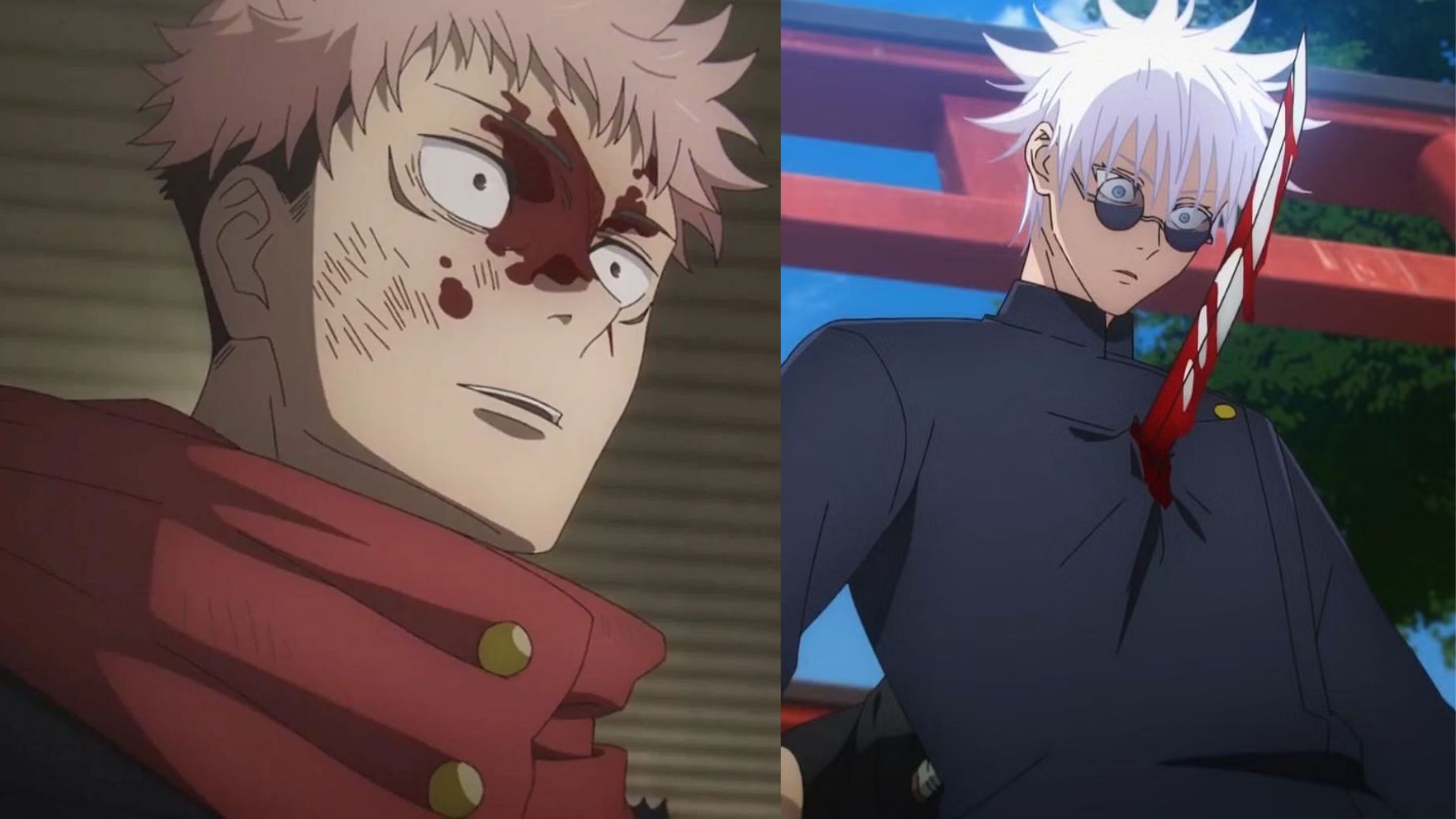
Akutami’s narrative style is also more unpredictable and chaotic. Unlike Horikoshi, who tends to follow a more traditional narrative structure with clear arcs and resolutions, Akutami seems to delight in subverting expectations and throwing readers off balance.
This is evident in the way the story unfolds just when you think you know where the plot is headed, it takes a sharp turn into unexpected territory.
This unpredictability keeps readers on edge and adds to the sense of unease that permeates the series.
Irredeemable Evil vs. Complex Villains
Another significant difference between My Hero Academia and Jujutsu Kaisen lies in their portrayal of villains and antagonists.
In My Hero Academia, many of the villains are depicted as tragic figures who have been led astray by circumstances or personal trauma.
While they may commit heinous acts, there is often a sense that they could be redeemed if given the chance.
Even the series’ most formidable antagonist, All For One, is portrayed as a deeply complex character with a rich backstory.
The antagonists in Jujutsu Kaisen are often depicted as embodiments of pure evil, with little to no possibility of redemption.
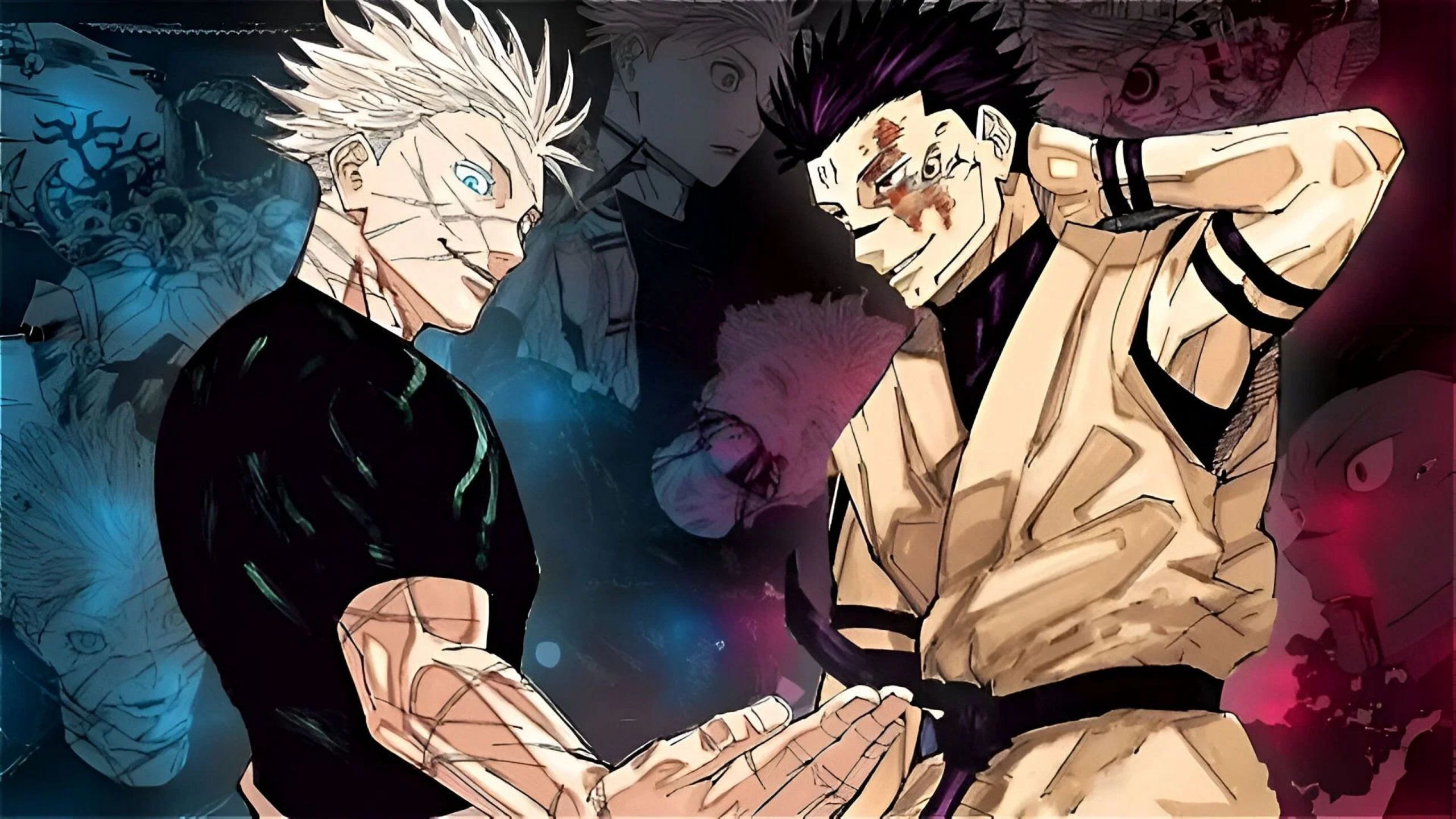
Characters like Kenjaku and Ryomen Sukuna are malevolent forces who revel in chaos and destruction.
They are driven by dark and twisted desires, and their actions have devastating consequences for the world around them.
This portrayal of evil as an irredeemable force adds to the final sense of dread and tension in the series, making it a much more harrowing experience for readers.
A Tale of Two Worlds: Final Thoughts
In the end, the differences between My Hero Academia and Jujutsu Kaisen are a reflection of the distinct creative visions of their respective authors.
Kohei Horikoshi and Gege Akutami each bring their unique perspectives and philosophies to the manga they create, resulting in two series that, while both immensely popular, cater to different sensibilities and offer contrasting experiences for their audiences.
Horikoshi’s My Hero Academia is a celebration of hope, perseverance, and the idea that anyone can rise to greatness through hard work, friendship, and an unyielding spirit.
The series is infused with a sense of optimism, even in its darkest moments. Horikoshi’s belief in the importance of enjoying the creative process is palpable in the tone and direction of his story.
This approach allows My Hero Academia to explore complex themes like heroism, sacrifice, and justice while maintaining a final positive and uplifting atmosphere.
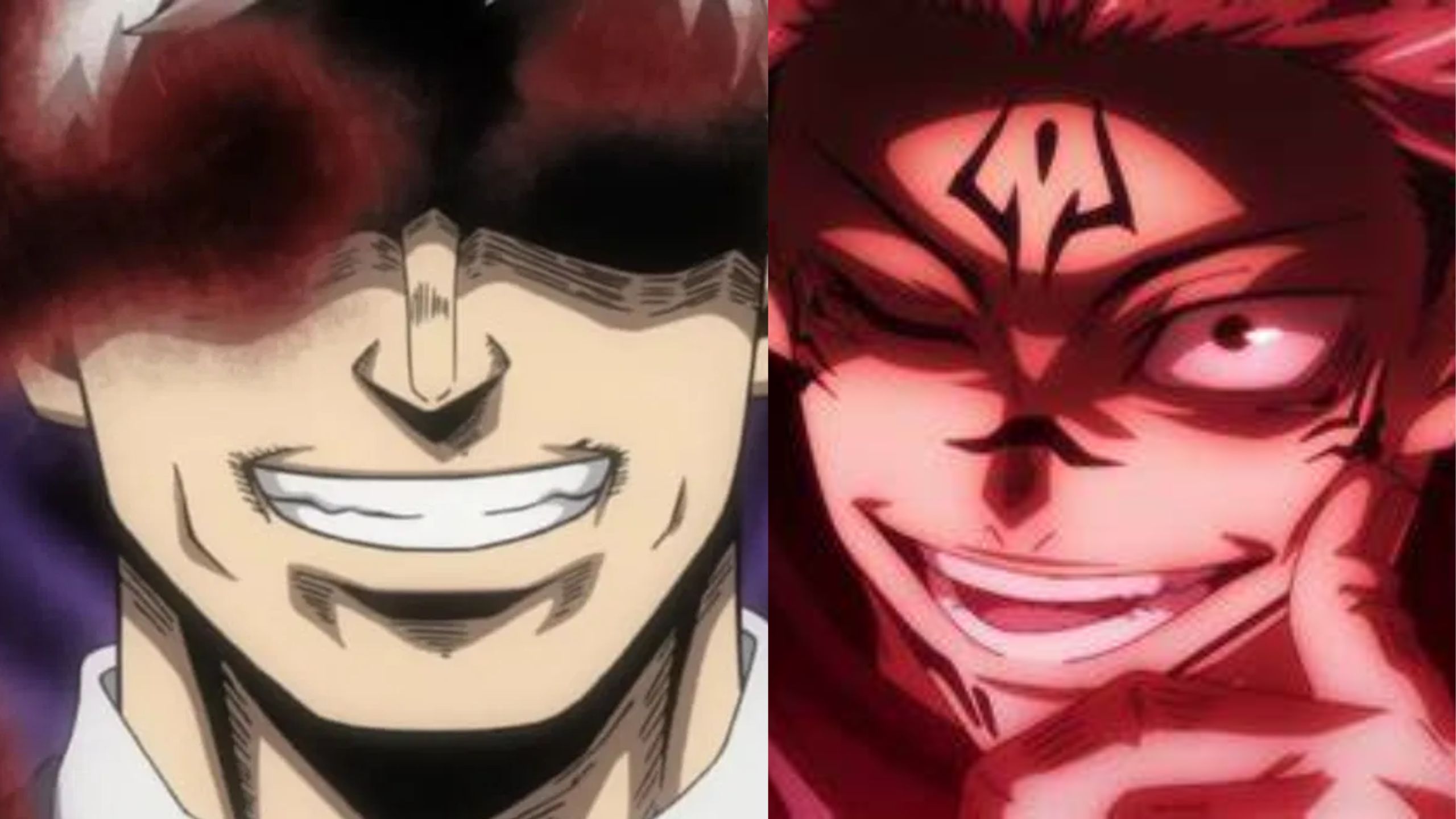
It is a series where, despite the hardships, the light at the end of the tunnel always feels within reach.
On the other hand, Akutami’s Jujutsu Kaisen enter into the murkier depths of human emotion and the supernatural.
The series is characterized by its dark, unpredictable narrative and the pervasive sense of unease that lingers throughout.
Akutami’s willingness to embrace the chaotic and disturbing aspects of storytelling results in a manga that is as thrilling as it is unsettling.
Jujutsu Kaisen challenges its characters and its readers to confront the darker sides of humanity and the reality that not all battles can be won, and not all evil can be redeemed.
Thematic Difference: Light and Dark in Modern Manga
The thematic difference between My Hero Academia and Jujutsu Kaisen is stark.
My Hero Academia often focuses on the ideals of heroism, the responsibilities that come with power, and the potential for growth and redemption.
Characters like Deku, who start from humble beginnings, represent the notion that anyone can become a hero through hard work and determination.
The series’ emphasis on positive relationships, mentorship, and the collective effort to overcome adversity further reinforces its hopeful tone.
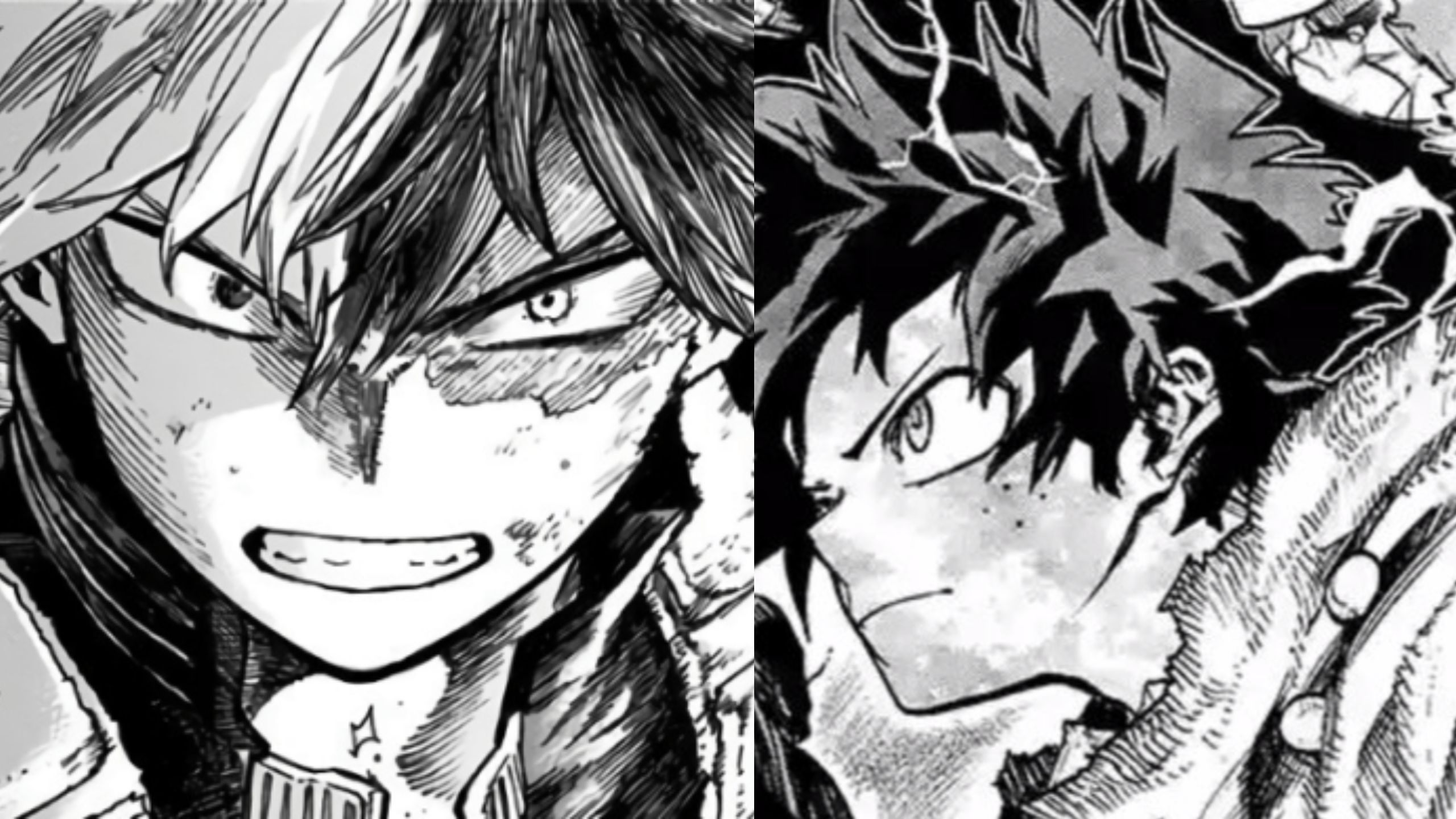
The villains in My Hero Academia are often portrayed as victims of circumstance, individuals who have been driven to villainy by personal trauma, societal pressures, or tragic misunderstandings.
Characters like Shigaraki Tomura, who has a deeply traumatic backstory, are given a level of empathy that complicates the traditional hero-villain dichotomy.
Horikoshi’s portrayal of these characters suggests that redemption is possible, even for those who have walked down a dark path.
In contrast, Jujutsu Kaisen embraces a much bleaker view of the world.
The series frequently explores the inevitability of suffering, the randomness of evil, and the concept that some forces in the sorcery world are beyond human control or understanding.
The curses that populate Jujutsu Kaisen are born from negative human emotions anger, fear, hatred and serve as a metaphor for the darker aspects of the human condition.
The story doesn’t offer easy answers or comforting resolutions; instead, it presents a world where tragedy and horror are commonplace, and where characters must often make impossible choices in the face of overwhelming darkness.
The antagonists in Jujutsu Kaisen are often depicted as irredeemable forces of nature. Characters like Sukuna, who revel in their malevolence, are portrayed as embodiments of pure evil.
These villains are not driven by complex motivations or tragic pasts; they exist to spread chaos and destruction.
This portrayal of evil as an unstoppable and unredeemable force is a significant departure from the more nuanced and sympathetic villains seen in My Hero Academia.
It underscores the series’ darker themes and contributes to its final atmosphere of tension and dread.
Artistic Styles: Visual Reflections of Storytelling
The artistic styles of Horikoshi and Akutami also reflect the thematic differences between their series.
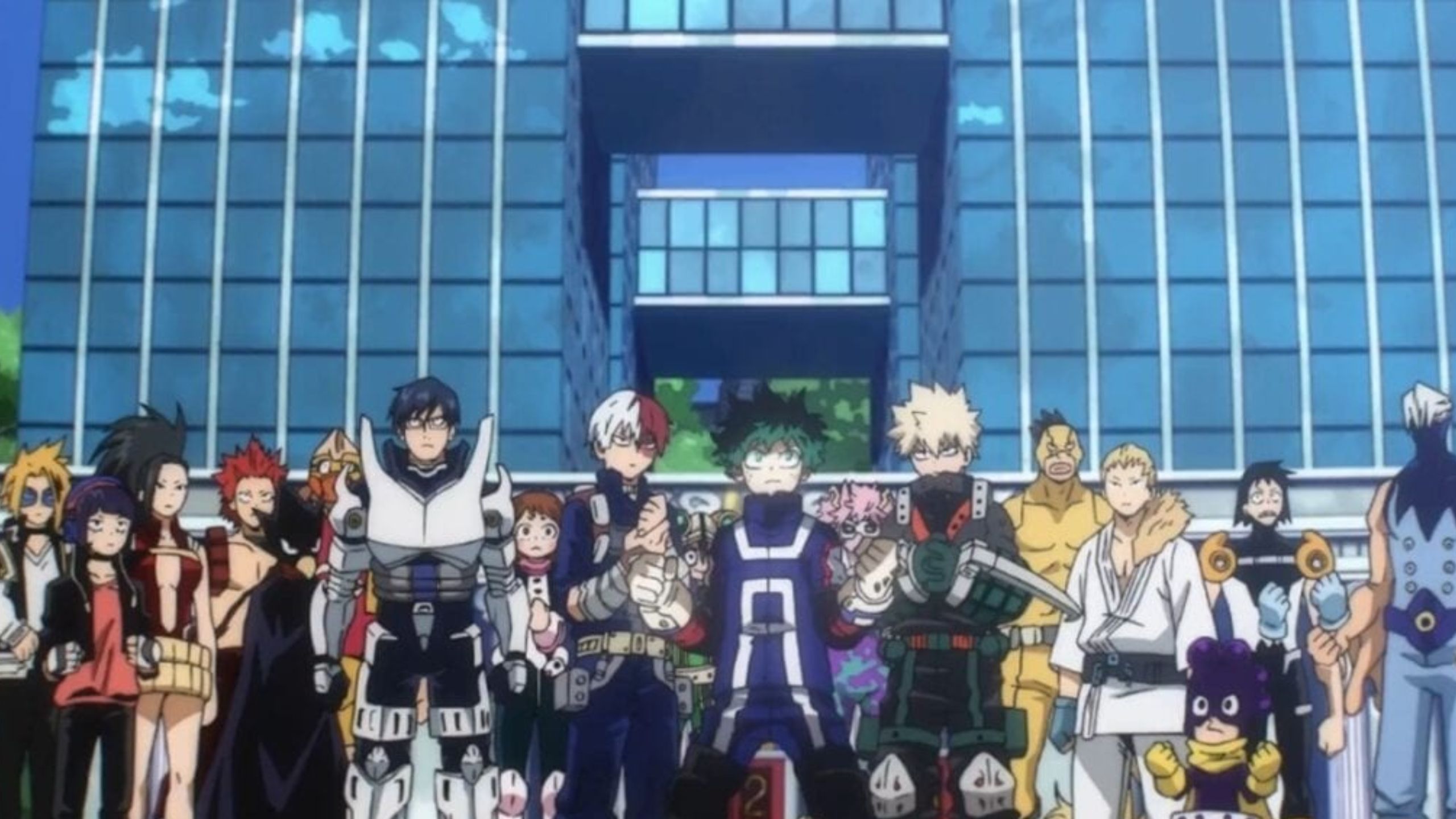
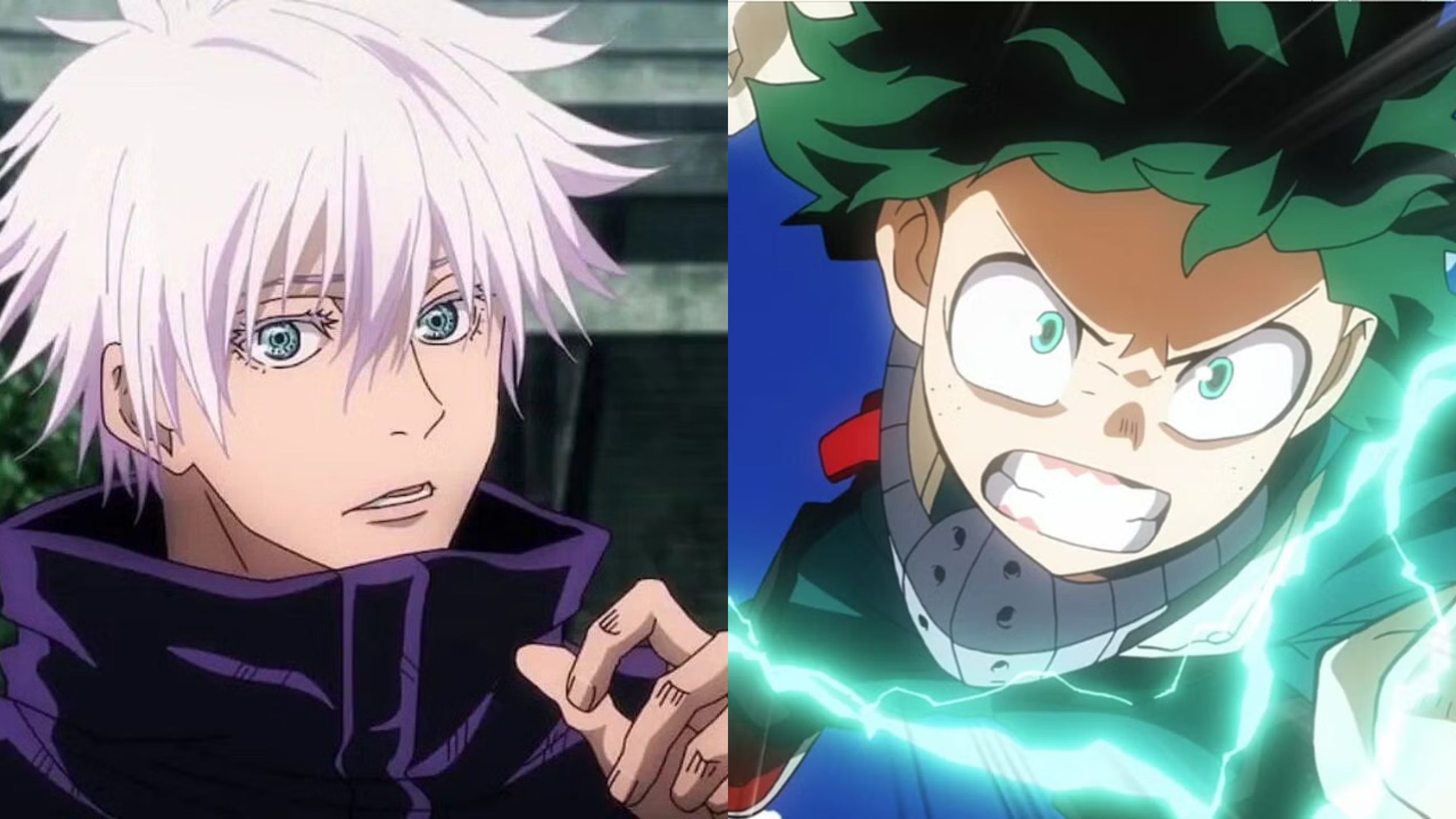
Horikoshi’s artwork in My Hero Academia is vibrant and dynamic, with a focus on action-packed sequences and expressive character designs.
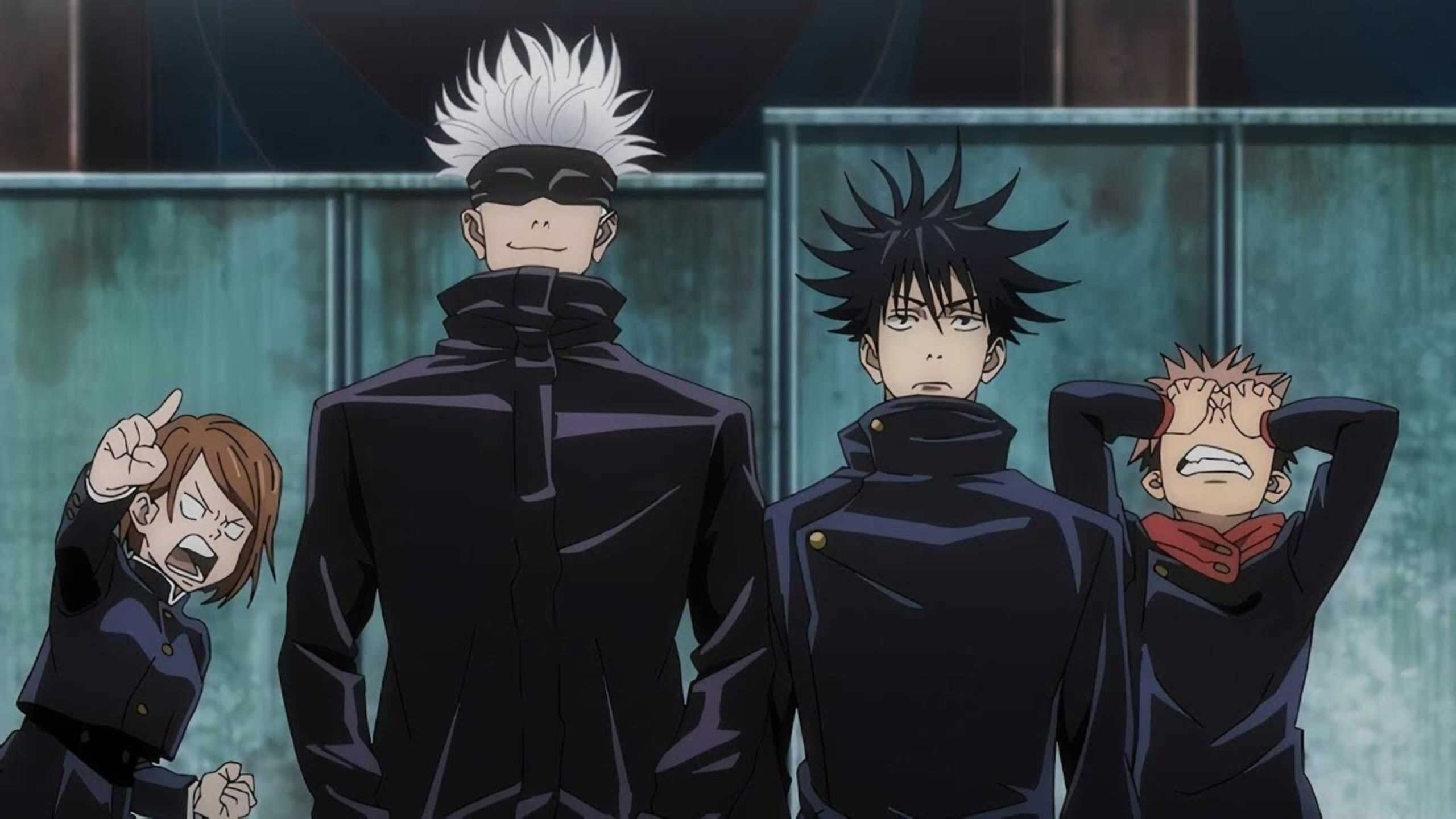
The use of bright colors and clean lines contributes to the series’ ending optimistic tone.
Even in intense battle scenes, there is a sense of clarity and order that mirrors the narrative’s underlying message of hope and perseverance.
In contrast, Akutami’s artwork in Jujutsu Kaisen is darker and more chaotic. The character designs often feature more angular lines, shadowed faces, and a general sense of unease.
The depiction of curses and supernatural elements is particularly striking, with grotesque, nightmarish imagery that heightens the horror elements of the story.
The artwork serves to reinforce the series’ themes of unpredictability and the pervasive presence of evil.
The visual style of Jujutsu Kaisen aligns with its narrative, creating an immersive experience that keeps readers on edge.
Audience Appeal: Different Strokes for Different Folks
The contrasting themes and tones of My Hero Academia and Jujutsu Kaisen naturally lead to different audience appeals.
My Hero Academia is often celebrated for its inspirational storylines, relatable characters, and the way it handles traditional shonen themes with a fresh and modern twist.
It appeals to readers who enjoy stories of personal growth, heroism, and the triumph of good over evil.
The series’ hopeful outlook and emphasis on positive relationships make it a favorite among those who seek uplifting and motivating narratives.
On the other hand, Jujutsu Kaisen attracts readers who are drawn to darker, more complex stories that explore the grittier aspects of life.
Fans of the series appreciate its willingness to tackle heavy themes, its unpredictable plot twists, and its rich, often unsettling world-building.
The series resonates with those who enjoy psychological horror, moral ambiguity, and the exploration of the supernatural.
Akutami’s willingness to subvert expectations and push the boundaries of the genre makes Jujutsu Kaisen a compelling read for those looking for something that challenges the status quo.
Legacy of Horikoshi and Akutami
As both series continue to unfold, the legacies of Kohei Horikoshi and Gege Akutami are becoming increasingly apparent.
My Hero Academia has cemented its place as a modern shonen classic, influencing a new generation of manga and anime creators.
Its themes of heroism and hope have resonated with fans worldwide, and its characters have become icons in their own right.
Horikoshi’s ability to blend traditional shonen elements with contemporary storytelling techniques has ensured that My Hero Academia will be remembered as a defining work of its time.
Jujutsu Kaisen, meanwhile, has carved out its niche as a groundbreaking series that challenges the conventions of the genre.
Akutami’s willingness to explore darker themes and push the boundaries of what a shonen series can be has earned the series critical acclaim and a dedicated following.
The series’ complex characters, intricate plot, and unpredictable nature have set it apart from its peers, ensuring that Jujutsu Kaisen will be studied and admired for years to come.
A Tale of Two Creators
In the end, the first author comments by Kohei Horikoshi and Gege Akutami offer a fascinating glance into the creative minds behind two of the most popular manga series of the modern era.
These initial remarks, while brief, summarize the core differences between My Hero Academia and Jujutsu Kaisen differences that are reflected in the themes, tones, and artistic styles of the two series.
Horikoshi’s approach is characterized by a sense of joy and fulfillment in the creative process, resulting in a series that uplifts and inspires its audience.
His emphasis on positivity and the potential for redemption aligns with the themes of heroism and hope that permeate My Hero Academia.
On the other hand, Akutami’s darker, more chaotic approach gives Jujutsu Kaisen its edge, pushing the boundaries of the shonen genre and offering readers a narrative that is as unsettling as it is attracting.
Ultimately, both My Hero Academia and Jujutsu Kaisen have left indelible marks on the world of manga and anime.
They stand as testaments to the power of storytelling and the various ways in which creators can explore the human experience.
While they may differ in tone and theme, both series share a common thread of pushing the boundaries of what manga can achieve, each in its own unique way.
Through their works, Horikoshi and Akutami have proven that the world of manga is vast and varied, capable of telling stories that resonate with readers on multiple levels whether through the light of hope or the shadows of darkness.
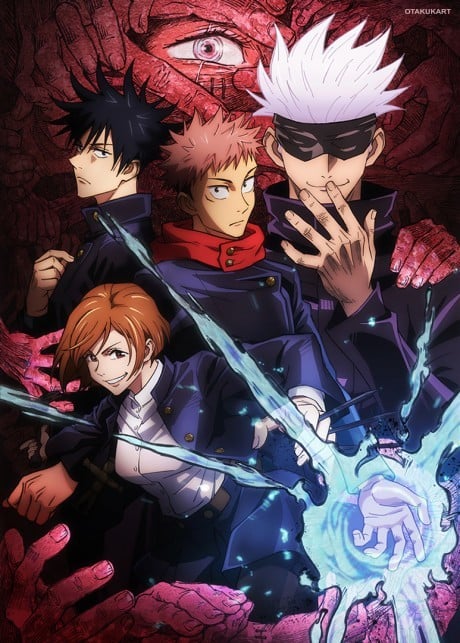
| Date Aired (Start) | October 3, 2020 |
|---|---|
| Studio | MAPPA |
| Director | Sunghoo Park |