Netflix is preparing to remove the entire Fifty Shades of Grey trilogy from its library, with an exit date confirmed for June 1. The removal includes Fifty Shades Darker and Fifty Shades Freed, giving subscribers a limited window to watch or revisit the films. As with most licensed titles, the departure is tied to streaming rights expiring rather than performance. Still, the exit stands out due to the franchise’s cultural impact and continued popularity. For many viewers, this marks a last chance to stream one of the most talked-about film series of the 2010s.
The timing also comes as interest in the erotic thriller genre is seeing a revival. Recent releases have sparked renewed discussion about the genre’s place in modern cinema. This makes the trilogy’s removal feel particularly noticeable, as it remains one of the most commercially successful examples of the category. Streaming platforms frequently rotate content, but high-profile franchises tend to draw more attention when they leave. That is clearly the case here.
A Box Office Phenomenon Despite Harsh Reviews
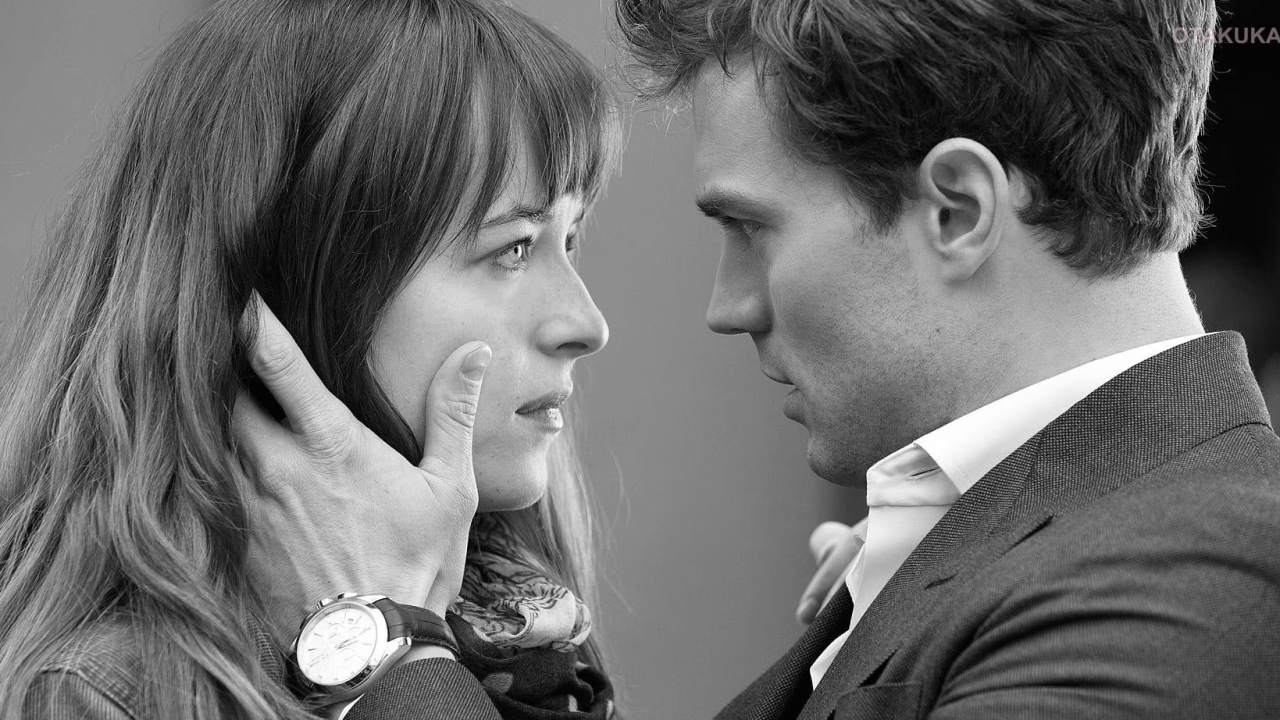
Directed by Sam Taylor-Johnson, Fifty Shades of Grey became an instant global success upon its 2015 release. The film stars Dakota Johnson as Anastasia Steele and Jamie Dornan as Christian Grey, adapting the bestselling novel into a high-profile cinematic release. Despite receiving largely negative reviews, the movie drew massive audiences worldwide. It grossed approximately $570 million against a reported $40 million budget. This performance made it one of the most profitable films of its time.
The film’s success highlighted a clear divide between critics and audiences. While reviews often criticized its storytelling and tone, viewers continued to show strong interest. This gap became a defining characteristic of the franchise. It also proved that certain genres can thrive regardless of critical reception. The commercial success of Fifty Shades of Grey ultimately paved the way for its sequels.
Sequels Continue the Trend of Profit Over Praise
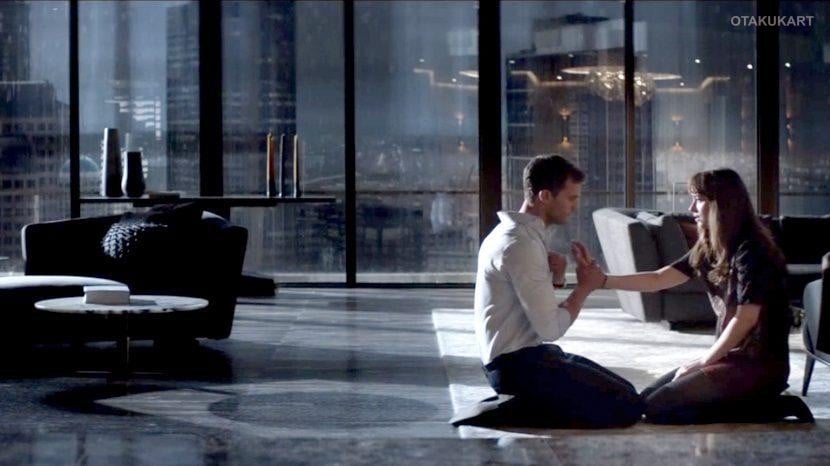
Following the original film’s success, Fifty Shades Darker and Fifty Shades Freed were produced back-to-back, both directed by James Foley. The sequels continued the story while maintaining the tone and style that defined the first installment. Like the original, they received poor critical reception. However, this did little to impact their box office performance.
Fifty Shades Darker earned around $380 million worldwide, while Fifty Shades Freed followed with approximately $370 million. These numbers reinforced the franchise’s strong audience appeal. Even as reviews declined further, the films remained financially successful. This pattern demonstrated the power of established fanbases and recognizable IP. It also cemented the trilogy’s place as a major commercial success.
Why the Trilogy Still Holds Cultural Relevance
The Fifty Shades series represents a rare example of a critically panned franchise achieving massive global success. It also played a role in briefly reviving the erotic thriller genre in mainstream cinema. While the genre had largely faded since its 1990s peak, the trilogy proved there was still a strong audience for such stories. Its influence can still be seen in newer projects attempting to revisit similar themes. The films also sparked widespread discussion about relationships, media portrayal, and audience preferences.
For the lead actors, the franchise served as a major career turning point. Both Dakota Johnson and Jamie Dornan have since taken on a variety of roles, moving beyond the identities associated with these films. However, the trilogy remains one of their most recognizable works. Its impact extends beyond box office numbers into broader pop culture. This lasting relevance contributes to ongoing interest whenever the films become available on streaming platforms.