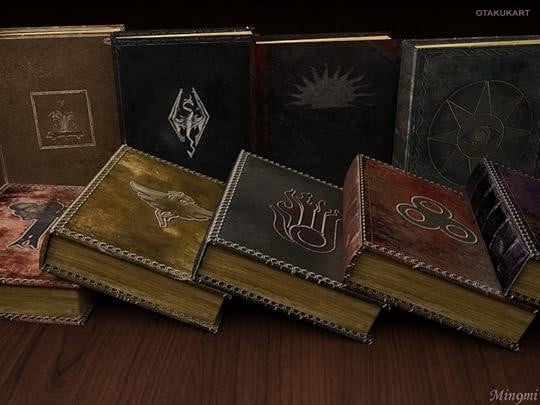
A simple typo may have played a surprisingly important role in shaping The Elder Scrolls lore. Former Bethesda writer and designer Kurt Kuhlmann says he is “100% convinced” that an unexplained gap in an internal timeline from the Daggerfall era was originally caused by someone entering the wrong date.
Kuhlmann discussed the history of the franchise during the FRVR Podcast, where he explained how the strange timeline discrepancy may have eventually contributed to the creation of the Dragon Break concept.
Kuhlmann Believes a Timeline Error Started the Idea
According to Kuhlmann, developers working during The Elder Scrolls II: Daggerfall had created a timeline containing an unusually large gap between dates. He believes the discrepancy was not originally intended as part of the fictional universe.
“I’m 100% convinced that, in reality, in our world, it was a typo.”
Kuhlmann explained that somebody may have accidentally entered an incorrect year, creating a gap of thousands of years in the chronology. Instead of simply correcting the mistake, however, The Elder Scrolls writers saw an opportunity to turn the inconsistency into part of the game’s mythology.
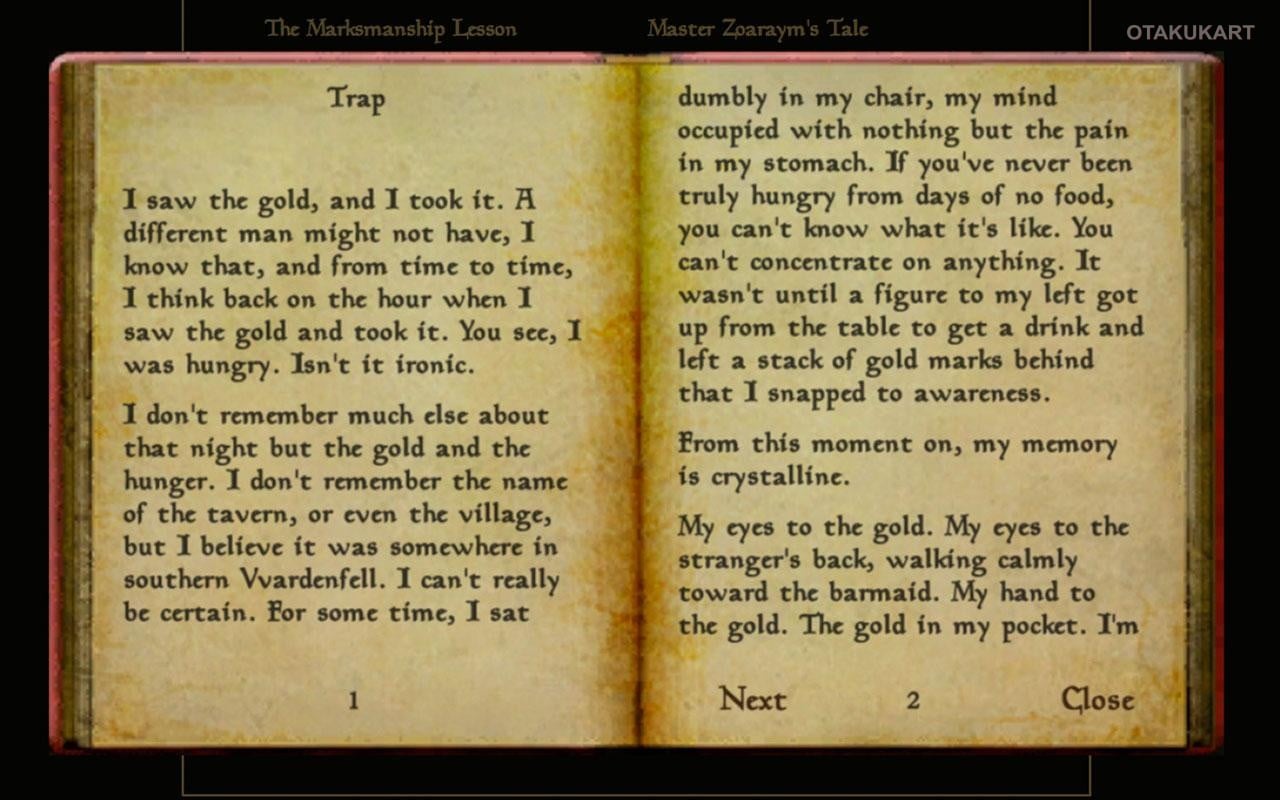
Michael Kirkbride reportedly embraced the strange discrepancy and connected it with another major problem created by Daggerfall: the game’s multiple endings.
Rather than selecting one ending as canon for future games, Bethesda could use the Dragon Break to explain how seemingly contradictory outcomes could all have happened.
The concept describes a disruption of linear time in which multiple possible histories can effectively coexist. This became particularly important for explaining the events surrounding the Warp in the West, allowing Daggerfall’s different conclusions to remain part of the wider history.
Kuhlmann took a somewhat different approach to the idea. His work on The Elder Scrolls explored the possibility that conflicting historical records could result from mistakes, unreliable sources, or imperfect transmission rather than supernatural manipulation.
That ambiguity became a defining characteristic of The Elder Scrolls, where players are frequently left to question whether conflicting accounts represent different truths, mistakes, or something much stranger.
The revelation also highlights how unexpected development decisions can become foundational elements of a long-running fictional universe. What may have started as an ordinary error in an internal document eventually became part of the mythology surrounding one of gaming’s most distinctive RPG franchises.