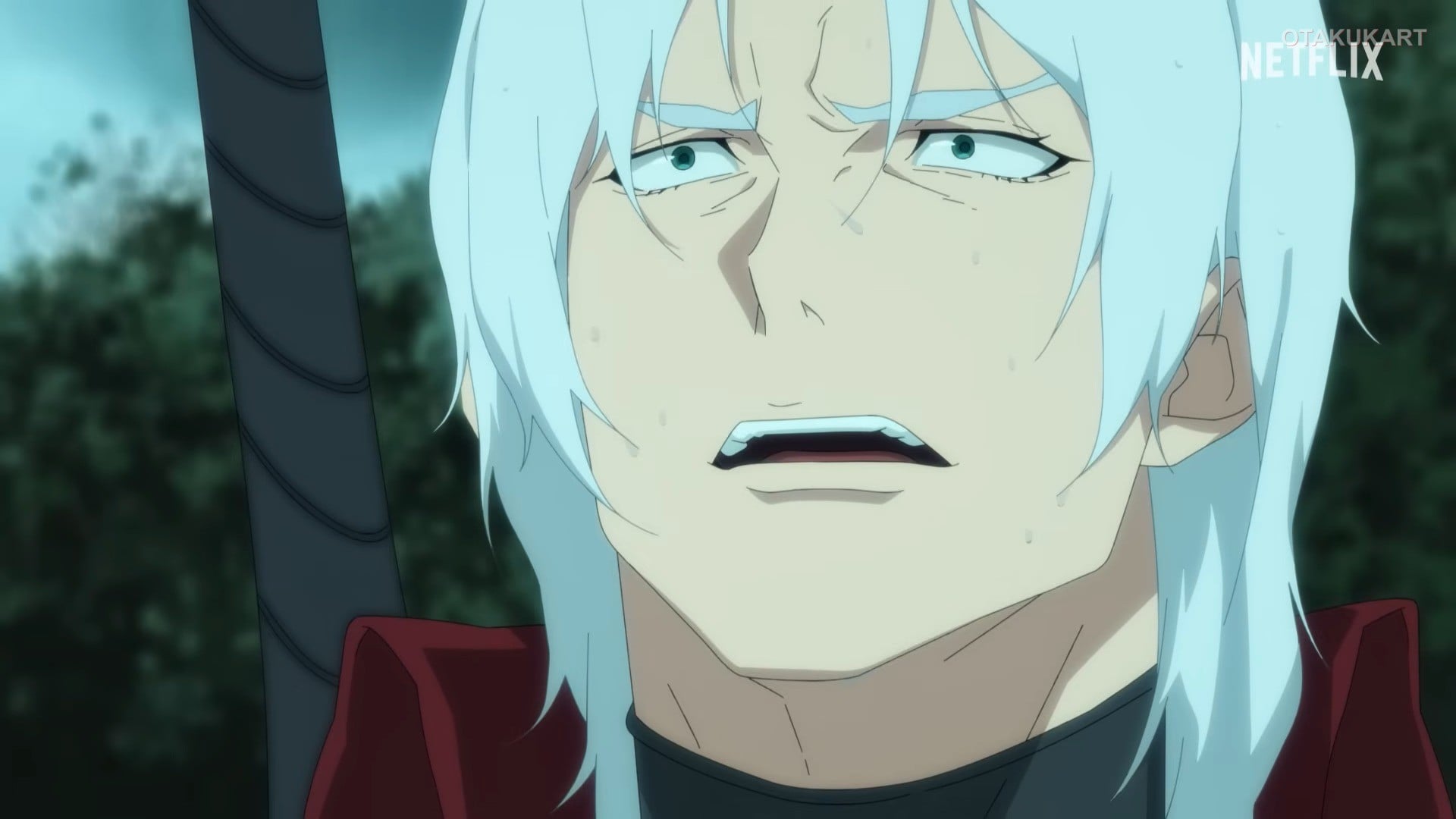
Netflix’s Devil May Cry Season 2 wastes no time throwing viewers back into its chaotic, demon-infested world, doubling down on everything that defined its debut. From high-octane action sequences to its unmistakable early-2000s aesthetic, the new season feels louder, bigger, and far more confident in its identity. At the same time, that ambition introduces new challenges, especially when it comes to pacing, character focus, and narrative cohesion.
The first two episodes alone make it clear that the series is no longer interested in slow setup. Instead, it pushes forward with a war-driven storyline, deeper character conflicts, and a stronger emphasis on Vergil’s role in the story. While this shift strengthens the emotional core in many ways, it also exposes lingering weaknesses in storytelling.
So, does Season 2 improve on its predecessor or fall into the same traps? Let’s break down what works, what doesn’t, and where the series stands now.
A Bigger Story With Higher Stakes
Season 2 picks up directly after the fallout of the previous season, immediately escalating the scale of the conflict. Dante is sidelined early on, leaving the world to spiral further into chaos as a full-scale war between humans and demons unfolds. This decision might seem risky at first, but it allows the series to expand its world-building in meaningful ways.
The show introduces a much broader perspective of the conflict by focusing on soldiers caught in the crossfire. These sequences give the war a sense of weight and consequence, something that elevates it beyond a simple backdrop for action scenes. Instead of relying purely on spectacle, the narrative attempts to humanize the chaos, making the stakes feel more grounded.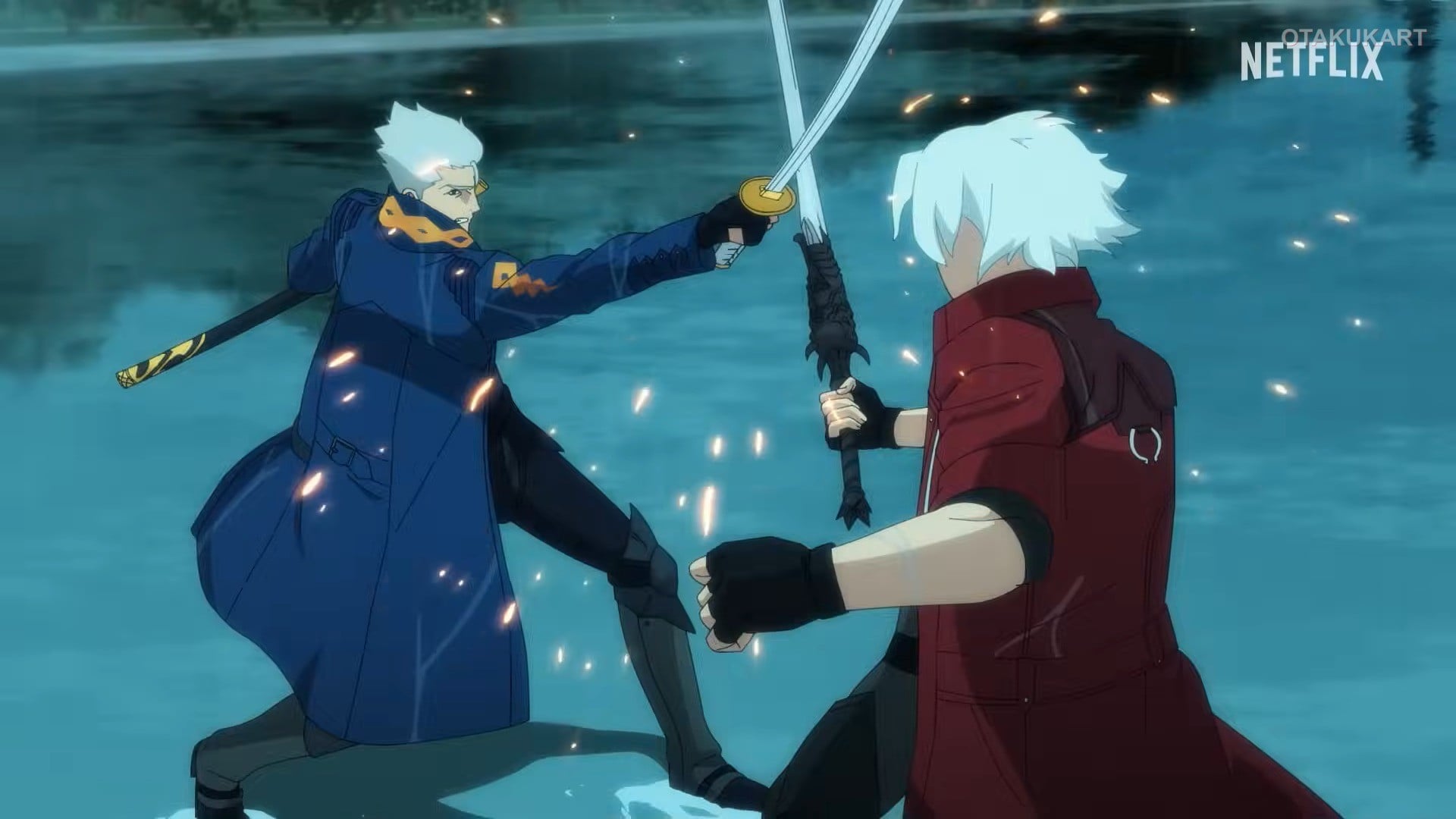
At the same time, the involvement of powerful corporate and military forces adds a layer of intrigue. The story leans into themes of manipulation, propaganda, and control, suggesting that the war is not as straightforward as it appears. While these ideas are compelling, the execution sometimes struggles to balance them with the show’s fast-paced storytelling.
Vergil Steals the Spotlight
One of the most significant changes in Season 2 is the increased focus on Vergil, and it proves to be one of the show’s strongest decisions. His presence adds a new layer of tension and emotional depth that was only hinted at before.
Vergil is portrayed as a disciplined and formidable force, standing in stark contrast to Dante’s more chaotic personality. This dynamic becomes the emotional backbone of the season, especially as the story explores their fractured relationship and shared past. The contrast between the two brothers is not just thematic but also visual, with their fighting styles reflecting their personalities.
However, the way Vergil is written may divide audiences. While his arc is compelling on a surface level, certain choices regarding his motivations and character development feel simplified compared to the complexity fans expect. This can make his journey feel less impactful than it should, even though his presence consistently elevates the narrative.
Action and Animation Reach New Heights
If there’s one area where Season 2 clearly improves, it’s the action. The animation feels sharper, the choreography more fluid, and the overall presentation far more refined. Every fight sequence is designed to feel dynamic and impactful, often blending stylish visuals with intense brutality.
The studio’s approach to combat emphasizes character expression, allowing each fight to tell its own story. Whether it’s Dante’s improvisational chaos or Vergil’s precise and calculated movements, the battles feel distinct and purposeful. This attention to detail helps the action stand out, even in a genre crowded with visually impressive shows.
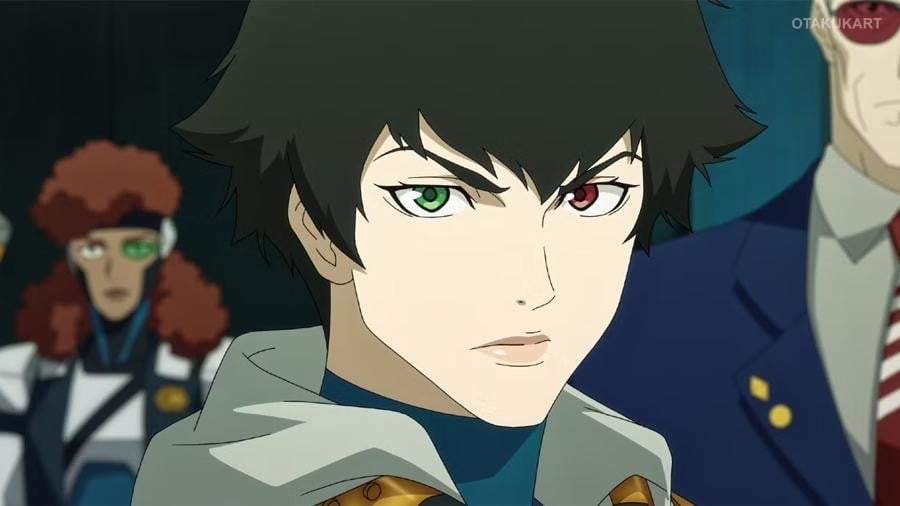
That said, the relentless focus on spectacle can become overwhelming. The series often pushes its style to the limit, with heavy use of music and rapid pacing that sometimes overshadows quieter, more character-driven moments. While this approach works in short bursts, it risks exhausting viewers over time.
Characters: Growth and Missed Opportunities
Season 2 attempts to deepen its characters, with mixed results. Dante, while more emotionally grounded this time around, often feels sidelined in his own story. His development is present, but the narrative doesn’t always give him enough space to fully explore it.
Lady, on the other hand, receives more focus, particularly in terms of her internal conflict and evolving perspective. Her storyline adds an interesting dimension to the series, even if it occasionally struggles with consistency. The attempt to give her a more nuanced arc is commendable, but it doesn’t always land as intended.
The villains also see improvement, with Arius emerging as a more defined antagonist. His role in orchestrating events adds tension to the story, though he sometimes lacks the complexity needed to make him truly memorable.
Overall, the character work shows clear ambition but doesn’t always achieve the depth it aims for. Some arcs feel rushed, while others are stretched thin, creating an uneven experience.
Storytelling Struggles Hold It Back
Despite its strengths, Season 2 is not without flaws. The most noticeable issue is its pacing, which can feel inconsistent at times. The story juggles multiple plotlines, and while this adds variety, it also creates moments where the narrative feels scattered.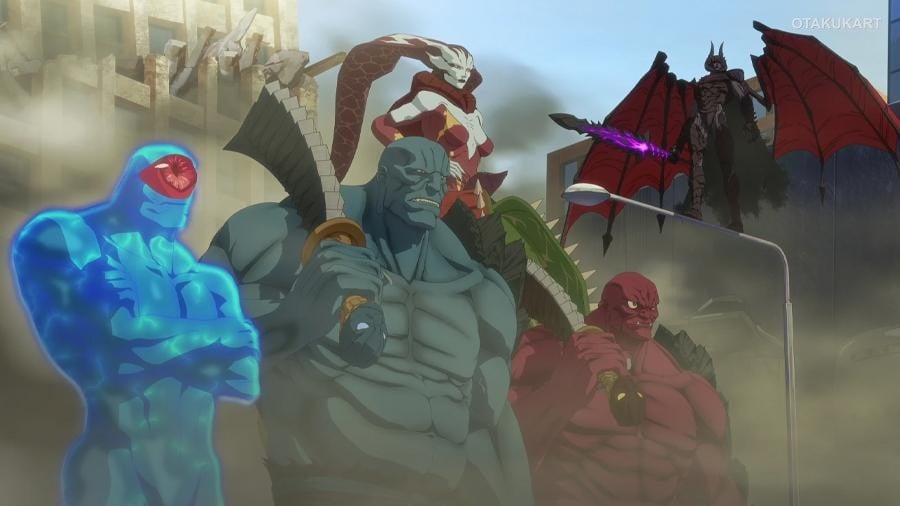
There are instances where the show relies too heavily on exposition instead of allowing events to unfold naturally. This can disrupt the flow and make certain scenes feel less engaging. Additionally, tonal shifts between serious moments and humor are not always handled smoothly, leading to occasional disconnects.
The series clearly aims to balance action, character drama, and thematic depth, but it doesn’t always succeed in harmonizing these elements. As a result, some parts of the story feel underdeveloped, while others are given more attention than necessary.
Devil May Cry Season 2 is a bold and ambitious continuation that improves in several key areas while still grappling with its core weaknesses. The enhanced action, stronger focus on Vergil, and expanded world-building make it a more engaging experience.
However, issues with pacing, character consistency, and narrative cohesion prevent it from reaching its full potential. The show often feels like it’s trying to do too much at once, which can dilute its impact.
In the end, Season 2 succeeds as a visually striking and entertaining follow-up, even if it doesn’t fully resolve the problems that held back its predecessor. For fans of the franchise, it offers plenty to enjoy, but it also leaves room for improvement in future installments.