

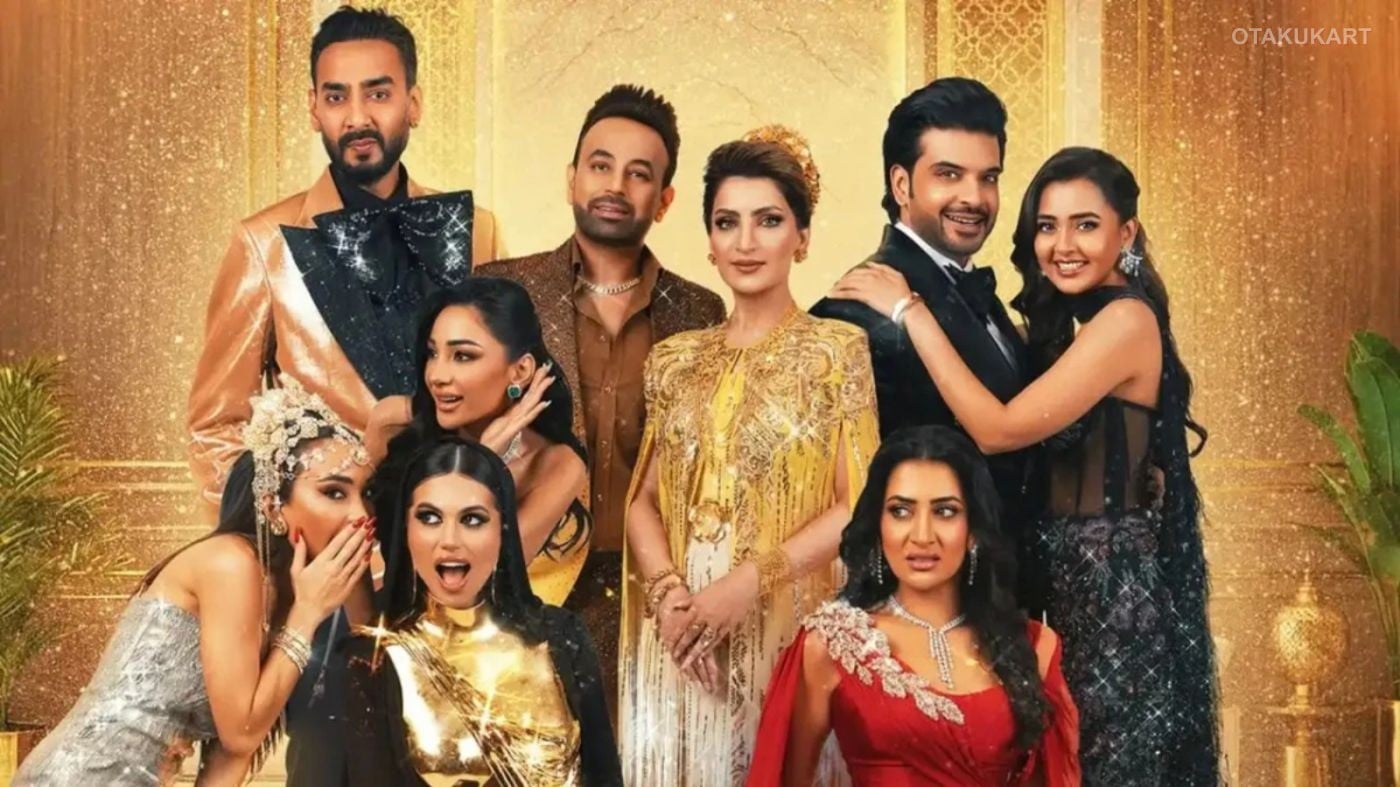
Tejasswi Prakash is trending online after her unique face jewelry look in Netflix’s Desi Bling caught viewers’ attention. The accessory, often referred to as a “facelet,” has quickly gone viral across social media, with fans praising its bold fusion of traditional Indian aesthetics and modern styling.
The growing popularity of the look highlights how fashion moments from streaming shows are increasingly shaping real-world trends. Viewers of Desi Bling have been particularly drawn to the intricate detailing of the jewelry, which frames the face in a way that feels both regal and experimental. As clips and stills from the show circulate online, the design has become one of the most discussed visual elements tied to the series.
Designer Sukriti Banthia Reacts to Viral Success
The facelet was designed by Jaipur-based jewelry designer Sukriti Banthia, who shared her emotional reaction after seeing her creation featured on Netflix. In a post reflecting on her journey, she described the moment as deeply meaningful, especially given her beginnings in Jaipur.
Banthia expressed how surreal it felt to witness her work reach a global platform. She referred to it as a “Jaipur to Netflix” journey, emphasizing the significance of having her design showcased to an international audience.
She also shared that seeing Tejasswi Prakash bring the piece to life added another layer of excitement. For Banthia, the collaboration represents not just personal success but also recognition for contemporary Indian jewelry design on a global stage.
Why the Facelet Trend Is Resonating With Viewers
The popularity of the facelet in Desi Bling points to a larger shift in how audiences engage with fashion on streaming platforms. Unlike traditional jewelry, the facelet stands out for its unconventional placement and bold visual impact, making it instantly eye-catching on screen.
In Prakash’s case, the accessory complements her on-screen presence while also reinforcing the show’s focus on style and cultural identity. The design blends heritage-inspired craftsmanship with a modern twist, making it appealing to both traditional and younger audiences. This balance is likely a key reason why the look has gained traction so quickly online.
Social media has further amplified the trend, with users sharing screenshots, styling ideas, and reactions to the look. As a result, what began as a costume detail in a Netflix series has now evolved into a wider fashion conversation.
From Jaipur Craftsmanship to Global Streaming Spotlight
Banthia’s journey reflects a broader narrative of Indian designers gaining visibility through global entertainment platforms. With streaming services like Netflix reaching audiences worldwide, even niche design elements can achieve widespread recognition.
For emerging designers, this kind of exposure can be transformative. It not only introduces their work to new markets but also validates their creative approach on an international level. In Banthia’s case, the viral success of the facelet has positioned her as a designer to watch in the evolving space of contemporary Indian jewelry.
At the same time, it highlights how shows like Desi Bling are contributing to cultural representation through fashion. By incorporating distinctive and authentic design elements, such productions help bring regional artistry into the global spotlight.