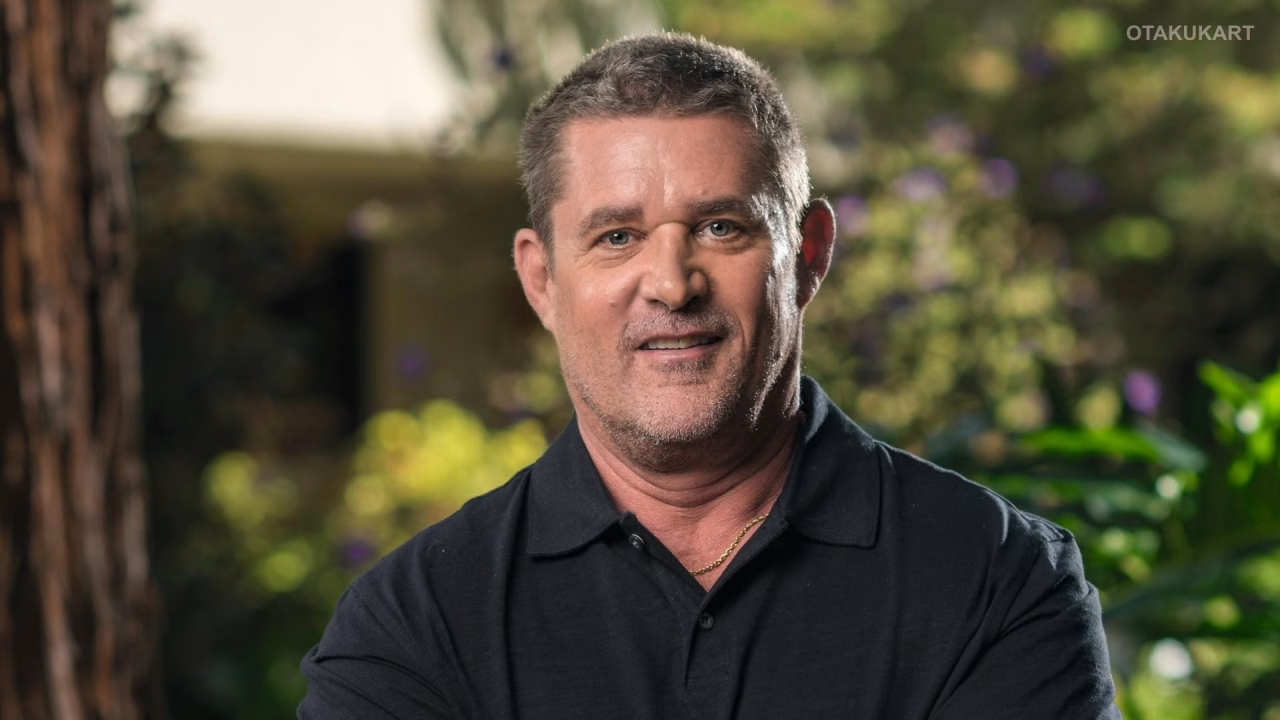
Glen Schofield, the creator of Dead Space and director of The Callisto Protocol, has opened up about the troubled development of his 2022 survival horror game. In a new interview with GamesIndustry.biz, Schofield alleges that publisher Krafton pushed the game to launch three months earlier than he expected, despite disruptions caused by the COVID-19 pandemic.
According to Schofield, the original plan gave Striking Distance Studios until March 2023 to finish the game. However, the release was moved to December 2022, leaving the team with less time to address development challenges. Schofield says he was unhappy with the decision and believes the additional time could have made a difference.
The game launched in December 2022 to mixed reviews, with criticism of its combat, performance, and technical issues. Schofield says the team continued working extensively after release, ultimately delivering 86 patches while also completing downloadable content.
COVID-19 DISRUPTIONS LED TO CUT CONTENT AND DEVELOPMENT CHALLENGES
Schofield said Striking Distance Studios had been working on The Callisto Protocol for approximately six months when the COVID-19 pandemic began disrupting production. The shift to remote work made collaboration more difficult, while illness repeatedly affected staff availability, including members of the studio’s team in Spain.
In the GamesIndustry.biz interview, Schofield described the situation as a period when the team’s well-being took priority over development. He recalled losing a close friend during the pandemic and seeing employees become sick regularly.
The shortened schedule also affected the game’s content. Schofield said certain levels, bosses, and enemies were removed from the final release.
Although the game launched on December 2, 2022, he believes the extra three months would have given the team more time to bring the project closer to his intended vision.
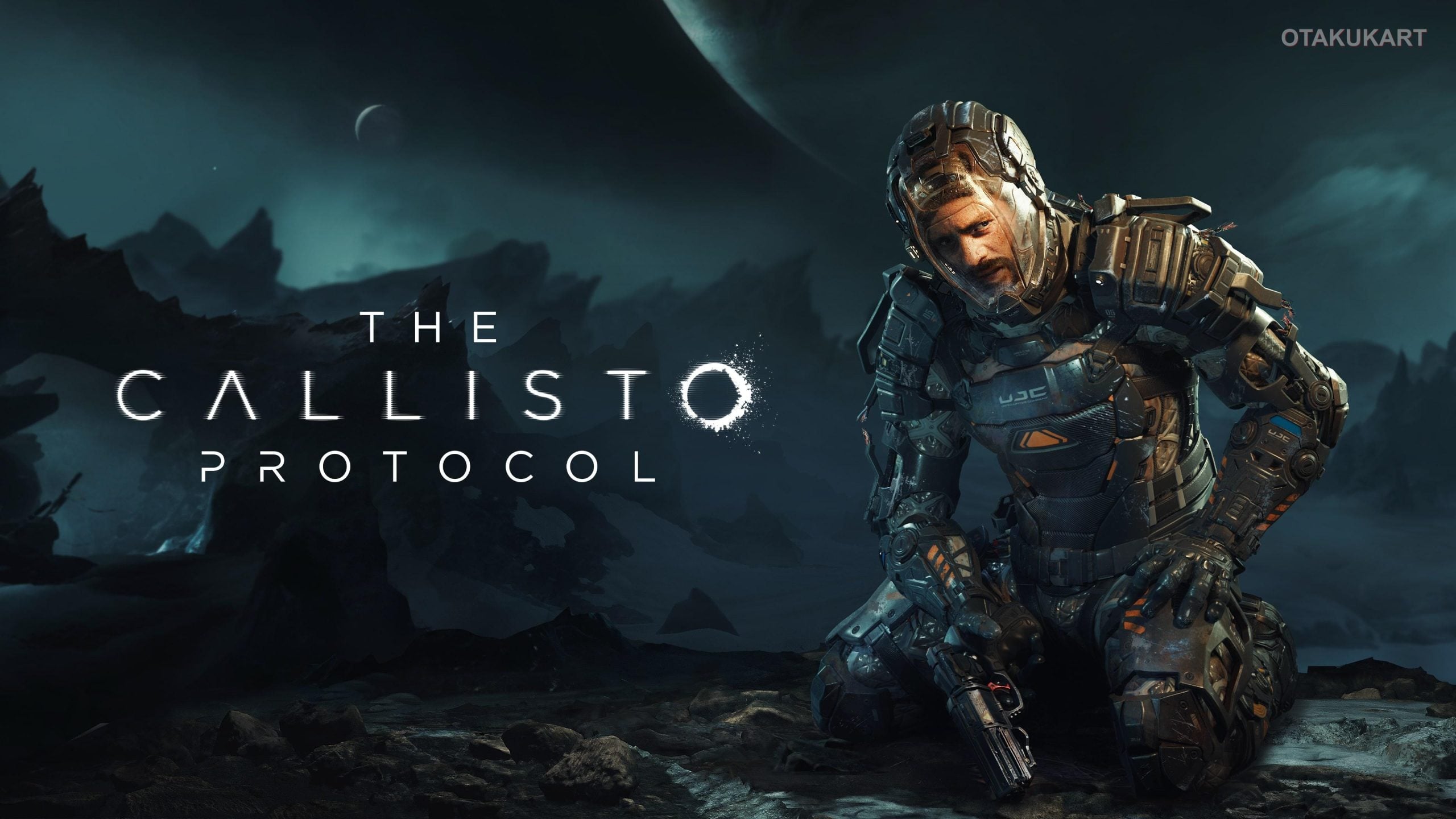
SCHOFIELD SAYS THE TEAM RELEASED 86 PATCHES AFTER LAUNCH
Despite the difficult launch, Schofield says the developers continued working to improve the game. He claimed Krafton viewed The Callisto Protocol as a failure, while the team was still investing substantial effort into post-launch fixes.
“They thought Callisto was a complete failure,” Schofield said, describing the publisher’s reaction. He added that the developers released 86 patches while he remained involved through the completion of the game’s downloadable content.
The updates involved a mix of smaller adjustments and more substantial changes. Schofield said the team worked on them daily to bring the game closer to the standard it had originally aimed to achieve.
The experience also affected plans for a potential sequel. Schofield revealed that his proposed follow-up would have expanded the story from a localized outbreak into a much larger plague, with a massive space station surrounded by docked spacecraft serving as a sprawling junkyard setting. He also had concepts and artwork for ideas that never made it into the first game.
However, Krafton did not move forward with a sequel, leaving those plans unrealized.
Schofield’s account offers a look at how pandemic disruption, release schedules, and publisher decisions can affect a major game’s development. While an additional three months cannot guarantee a different critical reception, the director believes the lost time contributed to the compromises his team had to make.