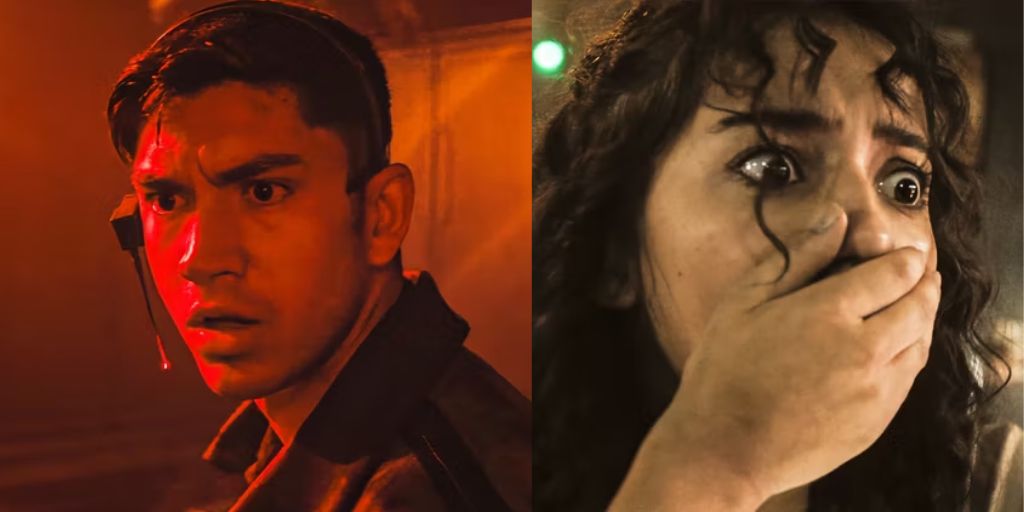
We Bury the Dead arrived with the kind of setup horror fans usually rally around: an intimate, grief‑driven zombie story anchored by a Star Wars alum and backed by solid early festival chatter.
Zak Hilditch’s film, which premiered at South by Southwest 2025, follows Ridley’s character, Ava Newman, as she searches for her missing husband during a slow-burning outbreak in rural Australia, positioning itself closer to emotional apocalypse tales than jump‑scare carnage.
Critics responded, and the movie secured a Certified Fresh score of around 85 percent on Rotten Tomatoes, signaling that reviewers were largely on its side.
The opening weekend numbers told a different story. In its domestic debut at the start of January, We Bury the Dead collected about 2.5 million dollars from 1,172 theaters and only managed an eleventh‑place chart position, a figure that already hinted at limited interest despite Ridley’s profile.
For a genre that has powered surprise hits like Train to Busan and Smile in recent years, that first frame pointed to a release that never fully cut through the noise of other early‑year offerings.
Then the second weekend hit. According to estimates tracked by outlets using Box Office Mojo data, the film’s sophomore frame collapsed to roughly 371,885 dollars from 851 theaters, a jaw‑dropping 85.1 percent drop.
That plunge ties We Bury the Dead with a holiday concert film from For King + Country and puts it in the same rough territory as notorious tumbles like Boy Kills World, ranking among the worst second‑week declines ever recorded for a non‑reissue.
Also read: Pedro Pascal Net Worth 2026: Mandalorian Millions Stack to $25 Million Powerhouse Peak
The per‑theater average fell from about 2,134 dollars in week one to around 436 dollars in week two, proof that the issue was not just fewer screens but a steep collapse in people actually choosing the movie.
Rotten Tomatoes Split, Tough Competition, And The Ridley Question
The story becomes more complicated once audience sentiment enters the picture. While critics largely praised the film’s atmosphere and Ridley’s performance, Rotten Tomatoes’ audience “Popcorn” score has hovered at roughly 47 percent based on hundreds of verified ratings, pointing toward a reaction that leaned more frustrated than thrilled.
That kind of divide between critics and paying viewers often signals a project that is moodier, slower, or more introspective than marketing suggests, which can be deadly for word of mouth in a genre sold on urgency and adrenaline.
Box office analysts have also highlighted timing as a major factor. We Bury the Dead arrived just as another genre title, the creature feature Primate, opened and grabbed fresh eyeballs, and it faces a rush of horror arrivals in the weeks after, including high‑profile releases like 28 Years Later: The Bone Temple, Return to Silent Hill, The Strangers: Chapter 3, and Scream 7.

In that kind of environment, a film that does not overperform out of the gate risks being squeezed out of showtimes, which is exactly what happened as We Bury the Dead lost more than 300 theaters going into its second frame.
All of this inevitably feeds into a familiar question: how much does Daisy Ridley’s name move tickets outside a galaxy far, far away?
After Star Wars, Ridley has stacked a varied slate, from intimate thrillers like Magpie to streaming‑friendly action projects, but none have come close to the franchise scale that once made her an instant box office magnet.
Her career box office as a leading actor tops two billion dollars worldwide, thanks largely to Star Wars, yet her smaller projects have tended to find niche audiences or delayed streaming traction instead of theatrical breakout runs.
We Bury the Dead continues that pattern, suggesting Ridley’s brand currently functions best as an added hook within a strong concept rather than a guarantee of a robust opening on its own.
What This Brutal Drop Means For Horror, Indies, And Ridley’s Next Move
The financial story here looks harsh on paper. Early estimates put We Bury the Dead’s North American total around 3.5 million dollars, with only a modest international contribution of just over 18,000 dollars so far, leaving the worldwide tally roughly flat with domestic returns.
For a mid‑size zombie drama, the production and marketing budgets have not been widely disclosed, but the numbers strongly indicate a film relying on long‑tail digital and streaming revenue to approach profitability.
Yet the situation says as much about the broader theatrical climate as it does about one title. Recent years have produced both tiny horror breakouts and quiet misfires, and the difference often lies in how clearly a movie’s hook reaches social feeds and group chats.
Studios and distributors can point to low marketing saturation and unclear messaging around We Bury the Dead’s tone as a reason some audiences skipped it, especially when competing horror projects come with more obvious jump scares, franchise recognition, or viral trailers.
For Ridley, the blow is softened by what comes next. She is already lined up to reprise Rey in a new Star Wars movie centered on rebuilding the Jedi Order, a project that will instantly reposition her at the center of a global blockbuster conversation.
At the same time, interviews around We Bury the Dead have emphasized her interest in character‑driven genre pieces and collaborations with filmmakers who push form over formula, suggesting she sees these smaller gambles as creatively necessary even when they stumble commercially.
Horror fans, meanwhile, may look back on We Bury the Dead as a cult candidate rather than a chart‑topper. Certified Fresh status paired with a low audience score usually means a film that frustrates some viewers while quietly hitting hard for others, and home viewing often gives slower, more reflective genre projects a second life once expectations reset.
If that happens here, Ridley’s somber zombie odyssey could still find its crowd on streaming and physical media, even if its theatrical run will be remembered for one of the sharpest second‑week falls of the decade.
Also read: Jungkook Net Worth 2026: BTS Maknae’s Solo Surge Hits $50 Million