Crimson Desert developers have revealed that building a realistic-looking world was not their only priority. When designing the forests and natural environments of the game’s vast Pywel continent, Pearl Abyss deliberately prioritized visibility, movement, and exploration over recreating nature exactly as it appears in the real world.
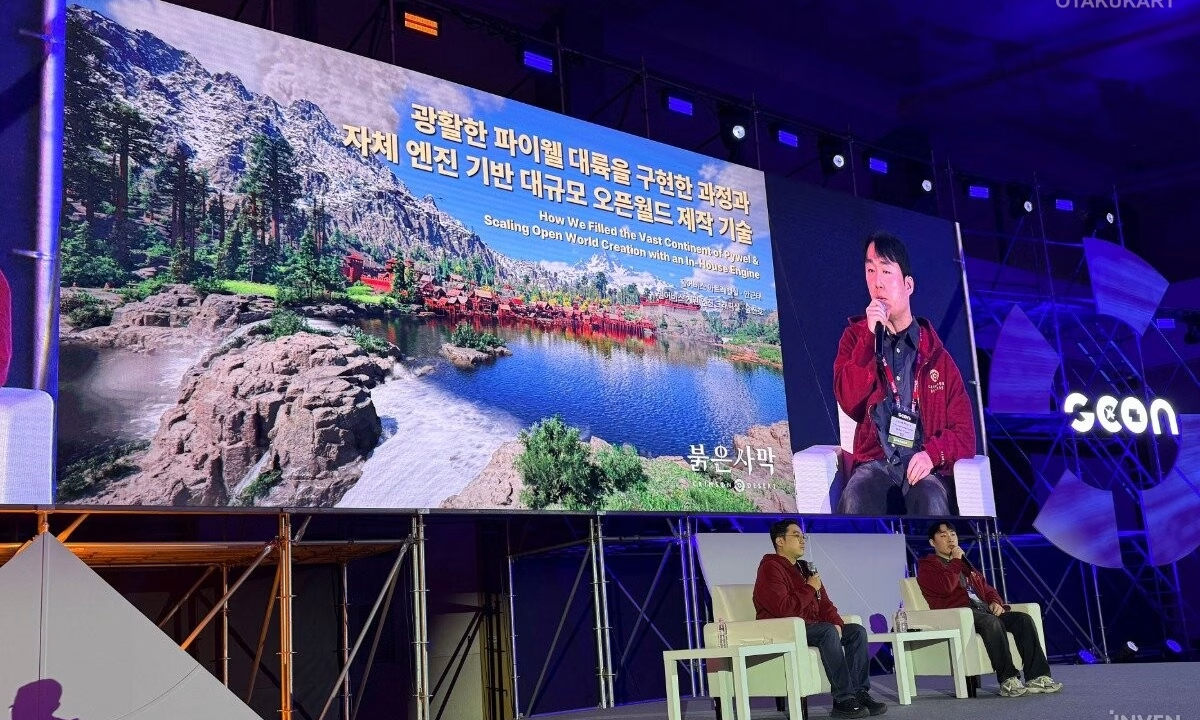
During a presentation at G-CON 2026 in Busan on November 19, Pearl Abyss art level director Ahn Geun-tae and game engine graphics director Yoon Jin-ho discussed the creative and technical decisions behind the open-world action-adventure. As reported by BigGo, the team wanted environments that encouraged players to explore rather than simply admire their visual detail.
Crimson Desert’s Forests Are Designed Around Exploration
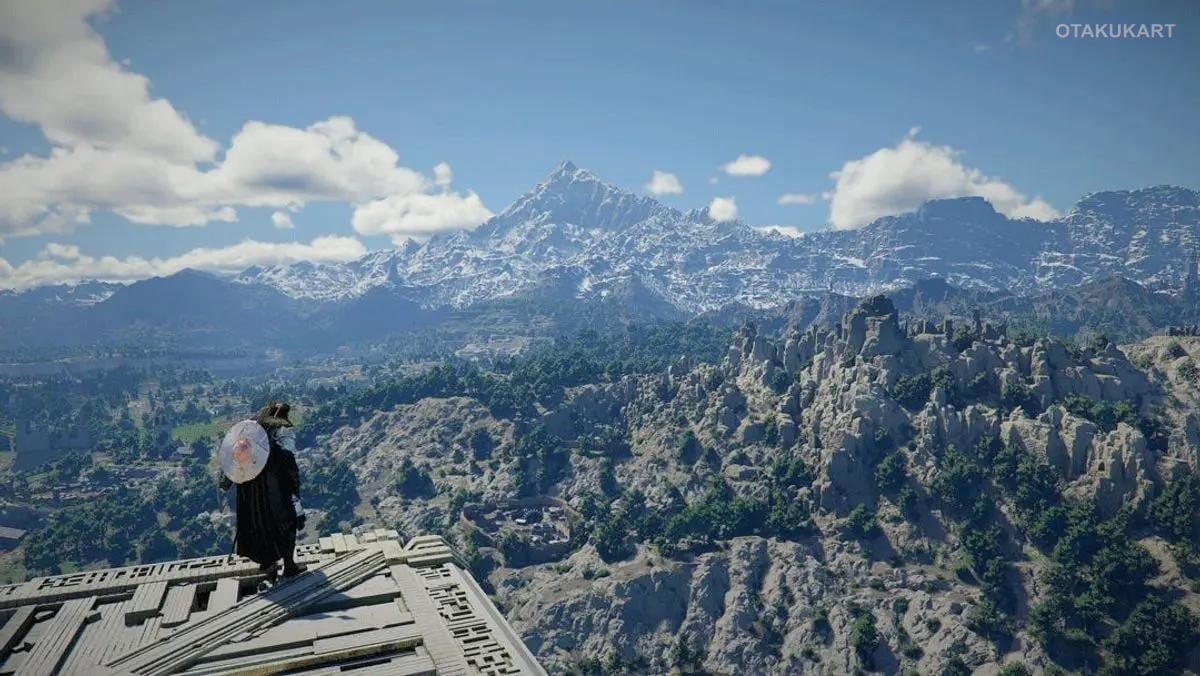
According to Ahn, densely packed trees and vegetation might make a forest appear more realistic, but that approach can create problems in a video game. Thick foliage can obstruct the player’s view, hide important locations, and make navigating or fighting in certain areas frustrating.
Pearl Abyss addressed this by carefully adjusting vegetation density and the placement of trees and terrain. Paths were kept visually accessible, distant landmarks such as towers and ruins were positioned so players could recognize them, and combat areas were given enough open space for movement.
Ahn summarized the philosophy during the presentation:
“Our goal was not the most realistic forest. It was the most readable forest.”
He also explained the team’s guiding principle:
“If you can see it in the distance, you must actually be able to go there.”
The developers also used quieter sections of the environment to create contrast, allowing more detailed areas and discoveries to feel significant instead of making every part of the world equally dense.
BlackSpace Engine Supports Pywel’s Massive Open World
These design choices are part of a larger production process built around Pywel, which spans approximately 200 square kilometers. Since creating the entire continent manually would be impractical, Pearl Abyss handcrafted representative regions before using Houdini-based procedural generation to extend their visual rules across the world.
The studio’s proprietary BlackSpace Engine also divides the environment into more than 20,000 independently managed units, loading relevant data according to the player’s position and viewing direction. Five levels of detail help reduce rendering demands, while the engine can display up to 500,000 trees in a single scene using an impostor technique for distant vegetation.
The presentation also covered environmental reactions to player actions and changing weather. Grass bends as characters move through it, attacks can cut vegetation or break trees, and rain, snow, and wind affect the surrounding environment.
Pearl Abyss approached the environment as more than visual scenery. Its purpose is to guide players toward discoveries and make the world feel worth exploring.
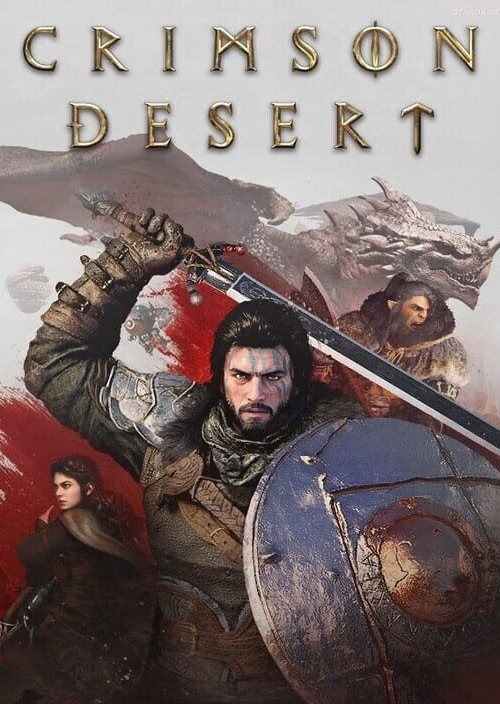
| Platforms | PC, PlayStation 5, Xbox Series X/S |
|---|---|
| Developer | Pearl Abyss |