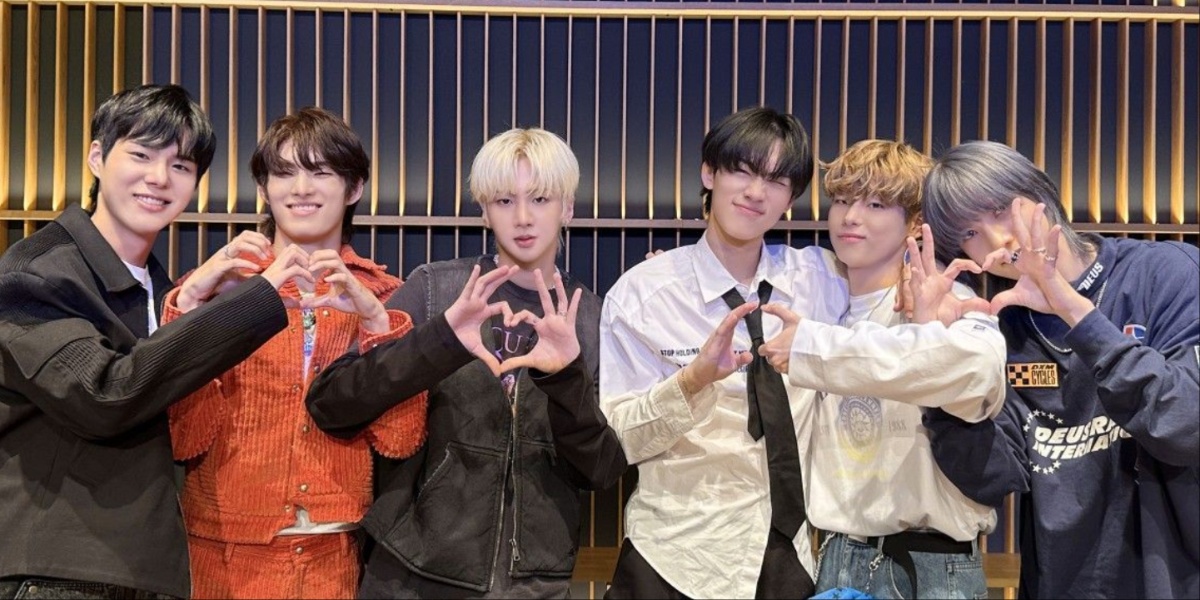

In the ongoing legal dispute surrounding the similarity allegations between girl groups ILLIT and NewJeans, the court has ruled against BELIFT LAB’s creative director, Serian Heu, in a civil damages lawsuit filed against former ADOR CEO Min Hee-jin.
The lawsuit, originally filed in late 2024 by the creative director overseeing ILLIT’s visual concepts, sought monetary compensation and damages for defamation.
The plaintiff claimed that Min Hee-jin’s public accusations- which alleged that ILLIT had plagiarized NewJeans’ styling, concept, and creative identity- caused significant professional damage and personal distress.
Key Details Surrounding the Ruling
The court dismissed the claims, finding insufficient legal grounds to hold Min Hee-jin liable for damages regarding her public statements.

Context of the Lawsuit
Following Min Hee-jin’s public press conferences and internal audit disputes with HYBE in 2024, she repeatedly asserted that BELIFT LAB and its creative team copied NewJeans’ brand identity for ILLIT’s debut.
Court’s Determination
The tribunal determined that Min’s remarks, made in the context of an ongoing corporate and internal dispute, fell within the scope of raised professional opinions and objections regarding concept similarities, rather than unlawful defamation intended to cause personal injury.
Impact on Ongoing Disputes
This ruling marks another significant update in the broader series of legal battles between former ADOR management, HYBE, and its subsidiary label BELIFT LAB over intellectual property, brand identity, and executive governance.
Ongoing Legal Landscape Between BELIFT LAB and Min Hee-jin
While this specific civil lawsuit filed by the creative director individually has concluded in favor of Min Hee-jin, parallel legal proceedings remain active within the Korean judicial system. BELIFT LAB as a corporate entity had separately filed a 2 billion KRW (approximately $1.4 million USD) lawsuit against Min for business disruption and defamation, citing the harm caused to the agency and the members of ILLIT.
Legal representatives for both sides continue to present arguments regarding whether concept similarities constitute actionable intellectual property infringement or fall under broader stylistic trends in the K-pop industry.