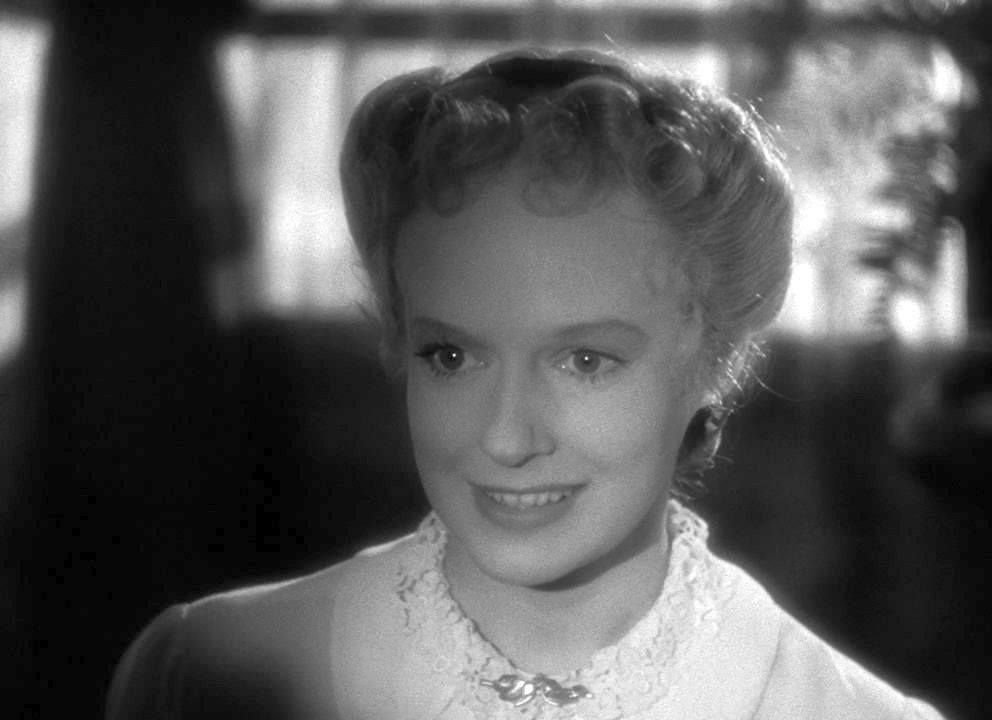
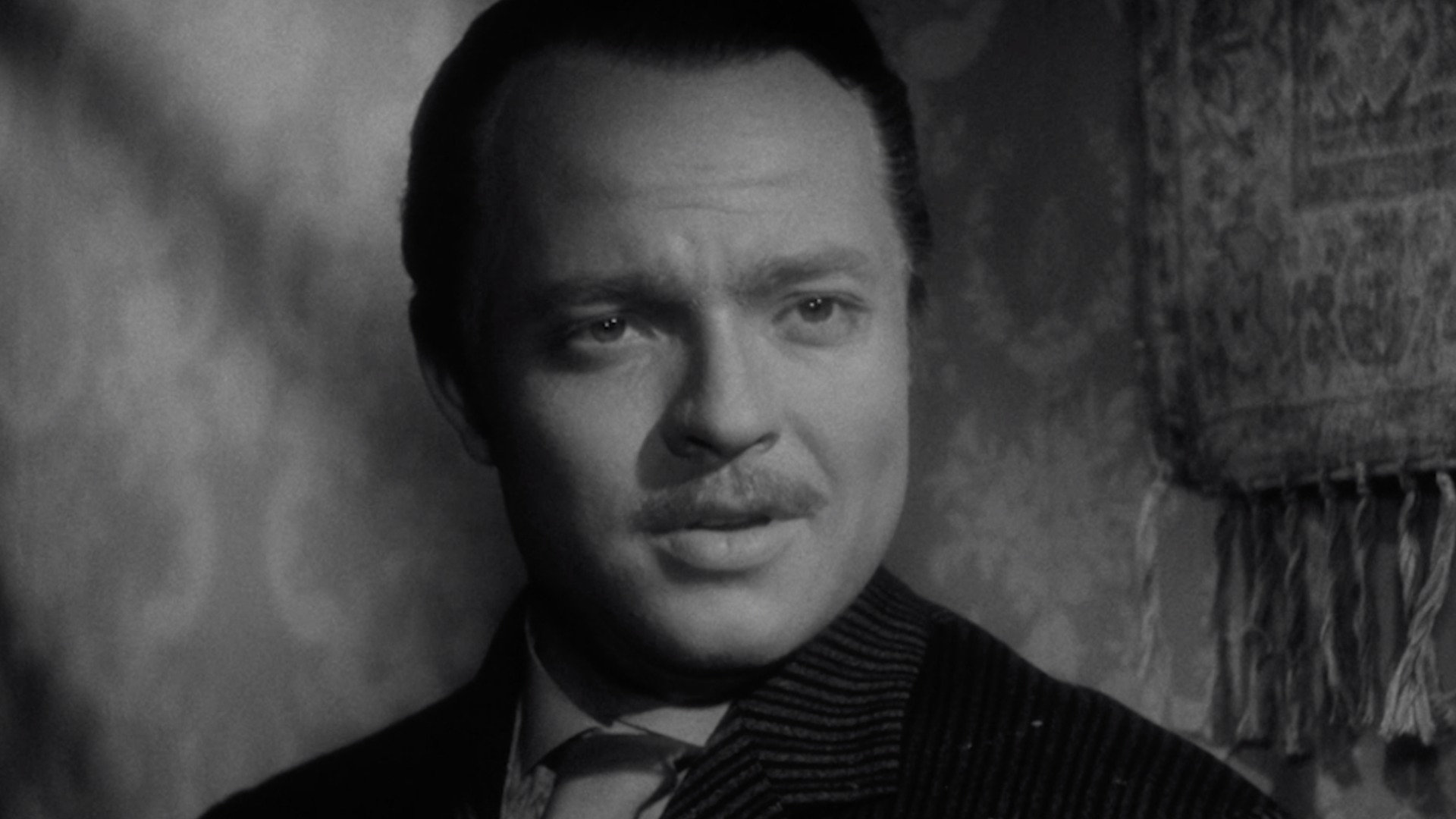
Citizen Kane, often hailed as the greatest film ever made traces the life of Charles Foster Kane, a publishing mogul whose rise to fame and wealth is marred by personal tragedies and moral failings. Directed by Orson Welles, who also played the title role, the movie opens with Kane’s death and follows a journalistic investigation into his final word, “rosebud.” This mystery, woven into the fabric of the story, provides a unique lens through which viewers can explore his life and legacy.
The film’s structure is non-linear, with flashbacks to Kane’s childhood, career, and relationships, building a comprehensive picture of the man who once had everything but ended up lonely and regretful. As the movie concludes, it becomes clear that “rosebud” is a symbol that ties together his complicated existence. Despite the film’s audience receiving a definitive explanation of this cryptic word, Kane’s life and the meaning behind his death remain a subject of profound reflection.
Citizen Kane’s Ending Explained
In the final scene of Citizen Kane, the audience learns the true significance of “rosebud.” As workers at Kane’s estate, Xanadu, sort through his belongings, they discard a sled marked with the word “rosebud.” This sled, a relic of his childhood, is tossed into a fire and burned. The reveal is poignant, especially since journalist Jerry Thompson, who spends the entire film searching for the meaning of the word, never uncovers its truth.
The sled, shown earlier in flashbacks, serves as a symbol of Kane’s innocence and lost childhood. Its connection to his deathbed utterance reinforces the film’s central theme: the yearning for simpler, happier times in the face of a complex, often painful adult life. The symbolism of the sled’s destruction adds a layer of tragic irony, suggesting that Kane’s legacy—like his childhood—will ultimately be forgotten and destroyed.
The Role of Rosebud in Kane’s Innocence
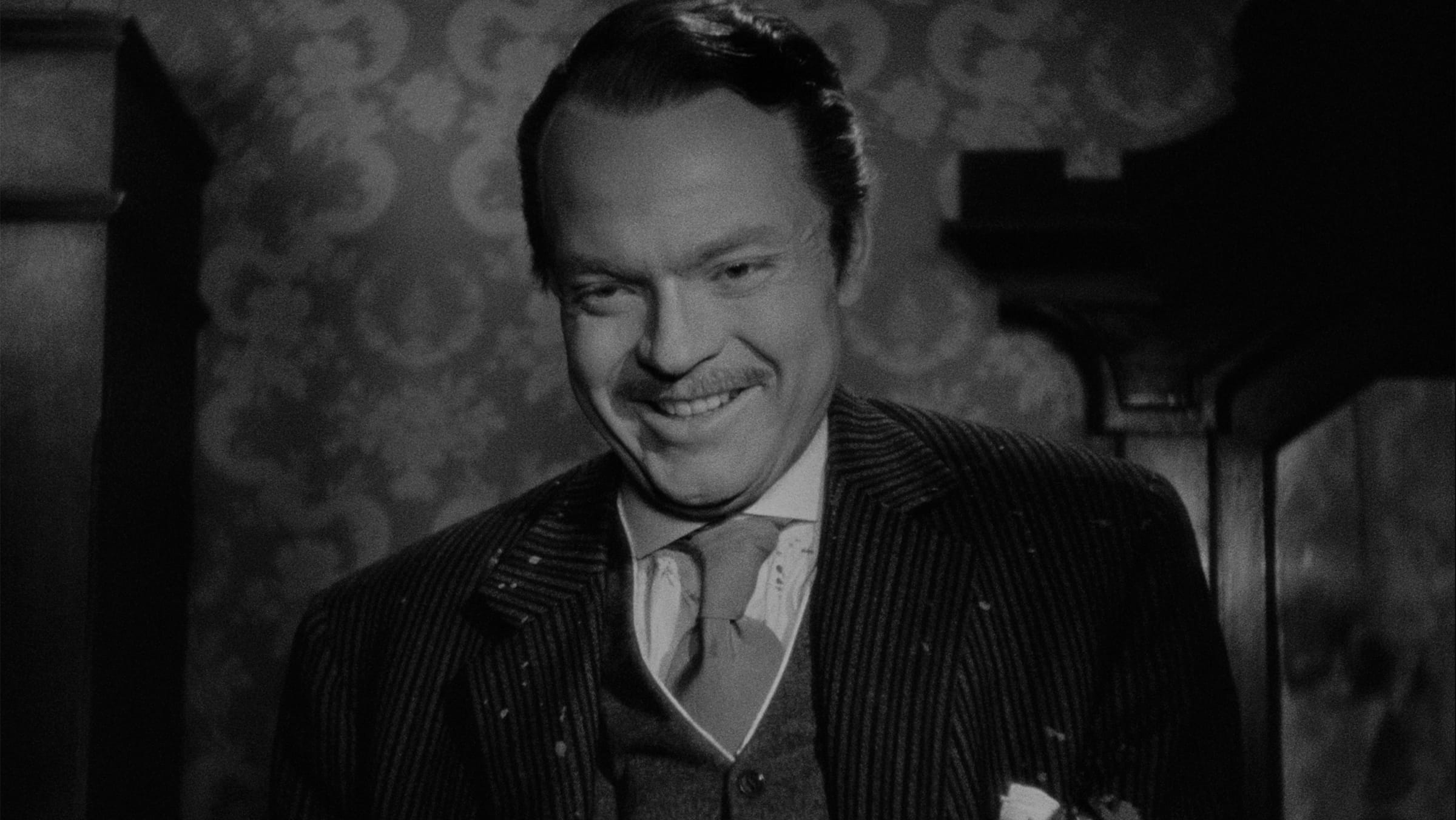
Throughout Citizen Kane, the flashbacks reveal Kane’s early years as a happy, carefree boy, enjoying the freedom of childhood, particularly during snowy days when he would play with his sled. This innocence stands in stark contrast to his adulthood, which is characterized by manipulation, betrayal, and personal failures. Kane’s final word, “rosebud,” reflects his longing for that lost innocence.
In the final moments of the film, Kane’s deathbed is juxtaposed with his earlier life, where the sled symbolizes a moment of pure joy. As Kane reflects on his legacy—a life full of greed, loneliness, and broken relationships—it’s clear that his desire for “rosebud” is an expression of regret. His wealth and power could not bring him the fulfillment he once found in his childhood, and this realization is a poignant reminder of the emptiness that can accompany material success.
The irony of Kane’s attachment to “Rosebud” is further emphasized by the fact that, despite his immense wealth and influence, it is the sled—something from his humble beginnings—that stays with him to the end. His personal relationships, especially with his wives and close friends, disintegrate over time, leaving him isolated in his mansion. Even as he accumulates material possessions, it is the memory of his childhood, embodied by “rosebud,” that provides the only source of solace in his final moments.
Rosebud Reflects Kane’s Resistance
Kane’s life is also marked by resistance. From his refusal to stay with his guardian, Walter Thatcher, to his rebellious actions as a young man, Kane constantly fought against the forces that sought to control him. This resistance is symbolized by “rosebud,” the sled he uses to strike Thatcher in a moment of defiance. Throughout the film, Kane is portrayed as a fighter—a man who, despite his flaws and egomaniacal tendencies, resists the forces that attempt to shape his destiny.
The sled represents more than just a memory of childhood—it is a symbol of Kane’s rebellion against the constraints imposed upon him. Even as an adult, Kane continues to fight against societal expectations, especially in his journalistic pursuits. However, this spirit of resistance ultimately leads him down a path of moral decay. His once noble fight for freedom and independence becomes corrupted by ambition and power, leaving him estranged from the very ideals he once cherished.
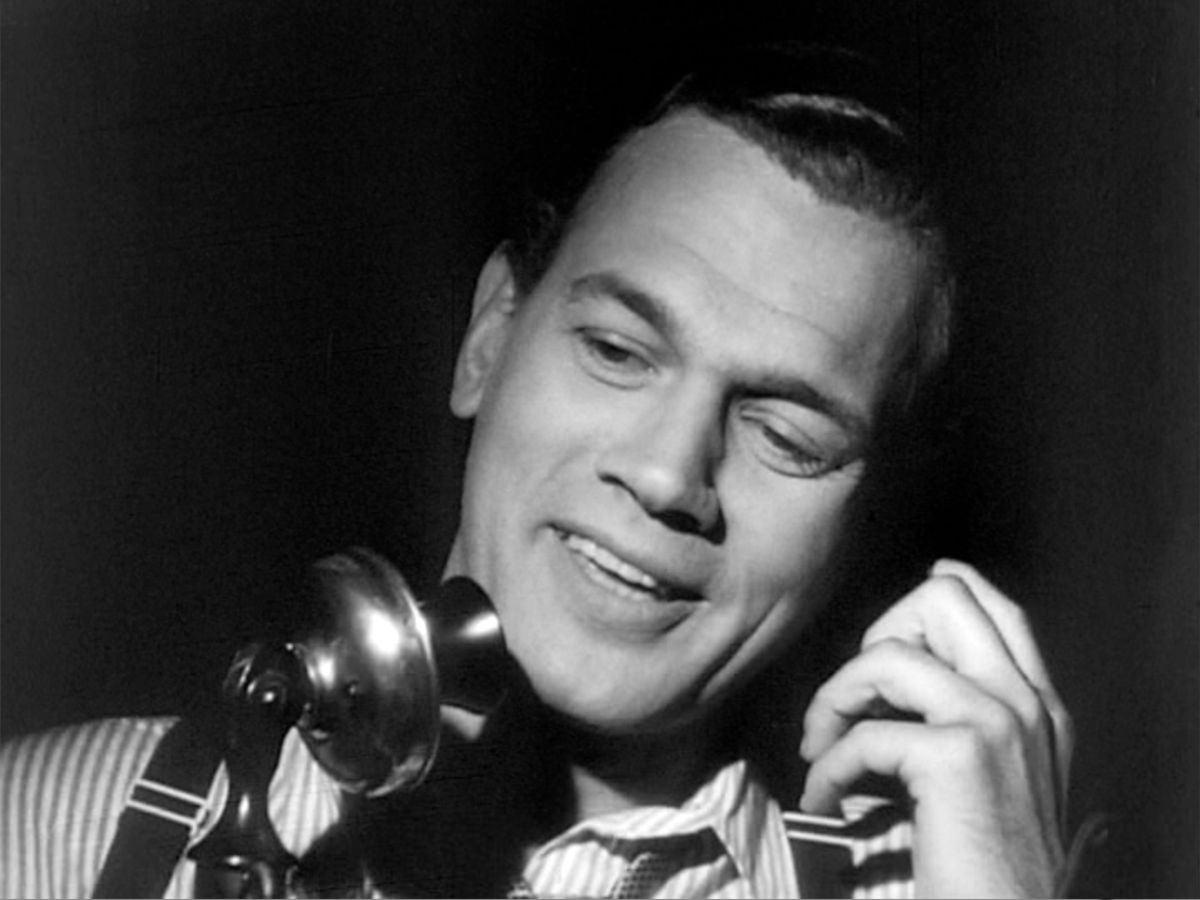
Despite the many controversies surrounding Kane’s career and personal life, his resistance to the world around him ensures his survival in a world that constantly seeks to tear him down. Yet, as the film reveals, this defiance comes at a great cost, leading to his eventual downfall. The symbolism of “rosebud” thus encapsulates Kane’s enduring spirit, even as it reflects the tragic nature of his existence.
The Comparison to William Randolph Hearst
Citizen Kane is widely regarded as a thinly veiled portrayal of William Randolph Hearst, the real-life media magnate. Like Kane, Hearst was a powerful figure in journalism and politics, with a vast empire built on sensationalism and controversy. Both men’s careers were marked by yellow journalism, and both saw their fortunes crumble in the face of scandal and financial ruin.
Hearst’s reaction to Citizen Kane was notably hostile; he attempted to suppress the film’s release by using his influence over the media. His efforts were unsuccessful, but they served to highlight the parallels between his life and Kane’s. Like Kane, Hearst died alone, his empire in ruins. The connection between the two figures provides an additional layer of depth to the film’s exploration of power, ambition, and the ultimate emptiness that results from a life spent chasing success at the expense of personal relationships.
The comparison between Kane and Hearst also highlights the cyclical nature of the narrative. Kane’s rise and fall mirror the trajectory of many real-world figures who amass great power and wealth, only to see it all slip away in the end. The film’s commentary on the corrupting influence of power is not just a fictional exploration—it reflects the real-world consequences of unchecked ambition and the moral compromises that often accompany it.
Citizen Kane and The Great Gatsby
Citizen Kane’s story shares many thematic similarities with F. Scott Fitzgerald’s The Great Gatsby. Both narratives revolve around individuals who rise to prominence through questionable means, only to experience tragic downfalls. In both stories, the protagonists—Kane and Gatsby—inherit their wealth from powerful mentors, but their fortunes are built on morally dubious foundations.
Kane’s success in yellow journalism parallels Gatsby’s bootlegging operations during the Prohibition era. Both characters are driven by an idealized vision of the American Dream, but their achievements are ultimately hollow and unfulfilling. In both cases, the protagonists’ quests for success and love lead to their demise, reinforcing the central message of both works: the American Dream is often a myth, one that promises more than it can deliver.
The connection between Citizen Kane and The Great Gatsby is particularly evident in their shared focus on the isolation that accompanies wealth and success. Kane and Gatsby both live in grand estates, surrounded by luxury, but ultimately die alone. Their stories serve as cautionary tales about the dangers of pursuing material wealth at the expense of genuine human connection, offering a critique of the empty promises of the American Dream.
The True Meaning Behind Citizen Kane’s Ending
Orson Welles’ Citizen Kane is a film that challenges the traditional narrative of the American hero. Rather than celebrating the rise of a man who overcomes adversity to achieve greatness, the film presents a tragic story of a man who sacrifices everything—his innocence, his relationships, and his happiness—in the pursuit of wealth and power. The film’s ending underscores the ultimate emptiness of Kane’s life, a life that, despite its outward success, is filled with regret and sorrow.
The burning of “rosebud” symbolizes the death of Kane’s idealized childhood, a poignant reminder that no amount of material success can bring back what has been lost. This serves as a moral lesson, warning against the dangers of unchecked ambition and the destructive effects of greed. Kane’s death is not just the end of a man’s life, but the culmination of a lifetime of poor choices and moral compromises.
The film’s enduring relevance is evident in the way it continues to resonate with audiences today. As society grapples with issues of corruption, inequality, and the concentration of power, Citizen Kane remains a powerful commentary on the perils of ambition and the hollow nature of success. Through its investigation of Kane’s life and death, the film presents a timeless warning to those who pursue fame and fortune at the expense of everything else.