
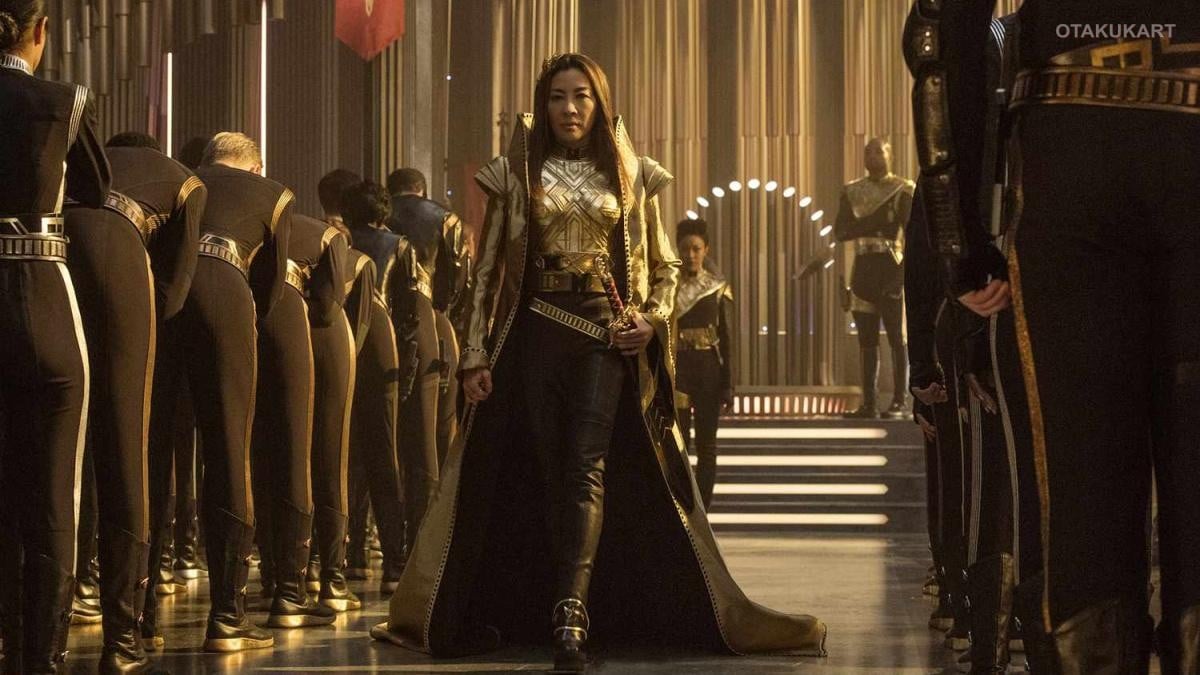
Blade Runner 2099 takes one of science fiction’s most enduring questions, what makes someone human, and approaches it from a dramatically different direction. Rather than revisiting the familiar conflict of humans hunting replicants, the series imagines a future in which replicants have taken control of Earth’s society. Humans now occupy the disadvantaged position, while their former creations have inherited the authority once used to control them.
That reversal gives the franchise a fresh foundation without abandoning the philosophical ideas and neo-noir atmosphere that made its earlier films memorable. The result is an ambitious science fiction series that occasionally takes its time finding its direction but delivers an immersive world worth exploring.
A Fresh Direction for the Blade Runner Universe
Set 50 years after Blade Runner 2049, the series presents a Los Angeles that has changed dramatically since the events of the previous film. Replicants have gained control following a period of global chaos, while humans struggle to survive under a system that resembles the one their creations once endured. The change in power creates an interesting moral complication: replicants are no longer simply fighting for freedom. They must also confront the responsibilities and prejudices that come with being in control.
The story follows Cora, played by Hunter Schafer, a human fugitive who has spent much of her life hiding her identity. When she needs a new identity to escape her pursuers, she takes on the role of a Blade Runner. Her assignment brings her into contact with Olwen, played by Michelle Yeoh, a replicant approaching the end of her predetermined lifespan.
Olwen is already dealing with the disappearance of her former partner, Marek. Meanwhile, Cora is searching for an object that could potentially help humans challenge the existing order. Their separate objectives gradually become connected, forcing the unlikely partners to work together.
This setup gives Blade Runner 2099 an effective emotional foundation. Cora is a human pretending to be a replicant, while Olwen is a replicant confronting a fate that feels distinctly human. Their contrasting circumstances create plenty of opportunities to explore identity, mortality, and the importance of personal connections.
Michelle Yeoh and Hunter Schafer Make a Compelling Pair
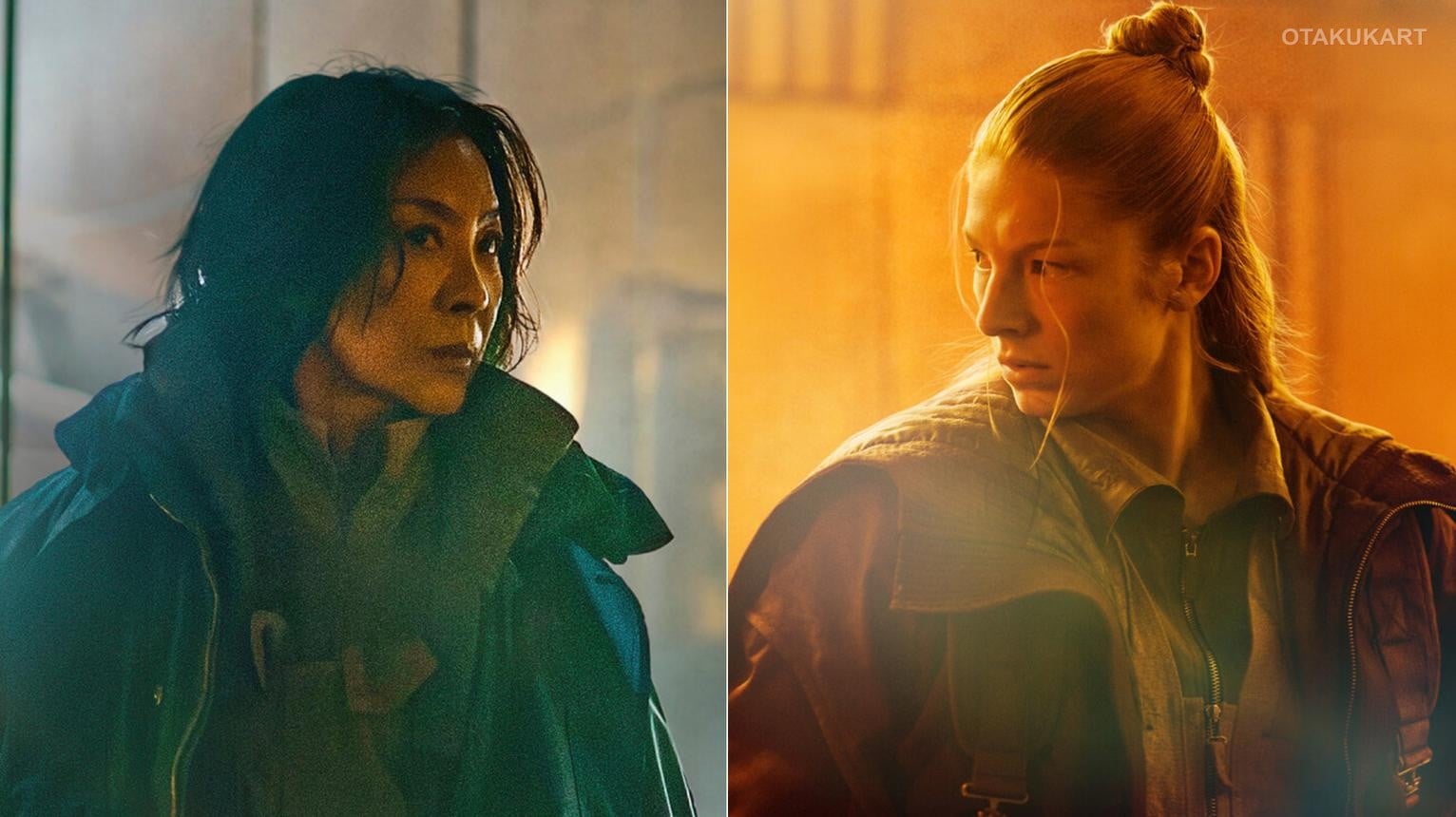
The performances are among the series’ biggest strengths. Hunter Schafer gives Cora an anxious, guarded personality that reflects someone who has spent years living under false identities. Her character is constantly calculating the risks around her, and Schafer makes that tension particularly effective during the action sequences.
Cora’s relationship with her younger brother Elias also provides an understandable reason for her desperate decisions. However, the character occasionally feels less convincing during quieter moments when the story asks her to move beyond fear and express more complicated emotions.
Michelle Yeoh is particularly impressive as Olwen. Her performance relies heavily on controlled expressions, subtle gestures, and carefully timed pauses. Beneath the character’s seemingly indifferent exterior is someone increasingly aware that her remaining time is limited. Yeoh communicates that internal conflict without needing lengthy explanations, giving Olwen a strong emotional presence.
The contrast between the two leads makes their partnership engaging. Their relationship gradually becomes more meaningful as they begin to understand each other’s circumstances, and Yeoh and Schafer provide the series with a dependable central pairing.
A Dystopian World Worth Exploring
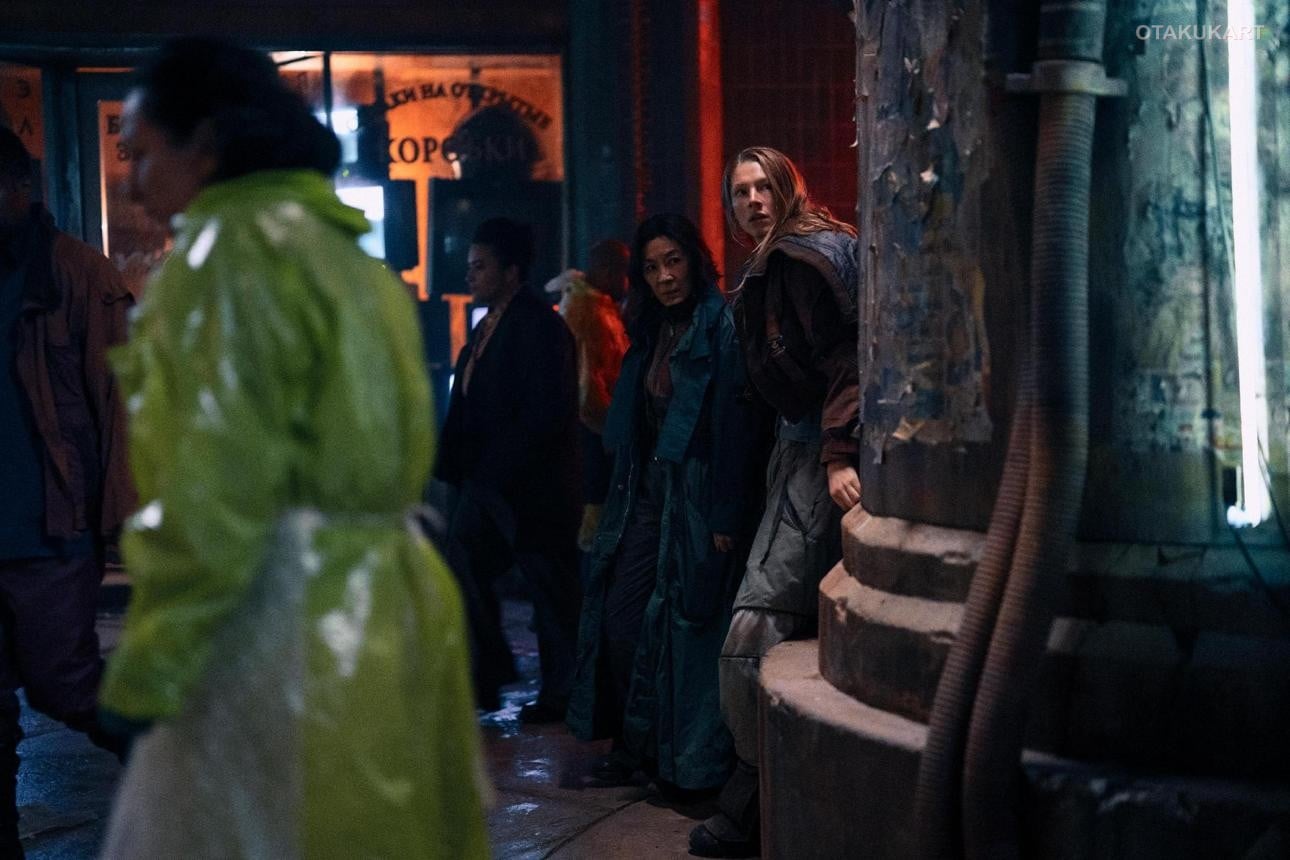
The visual presentation is where Blade Runner 2099 makes another strong impression. Rather than simply recreating the rainy streets and neon-heavy atmosphere of the earlier films, the series gives its future Los Angeles a distinct appearance. The city is still oppressive, but its environment has changed, with polluted sunlight, suffocating heat, and rising water shaping its landscapes.
The production design is particularly impressive. From unusual commercial spaces built around replicant experiences to imposing industrial locations, the environments frequently communicate ideas about the society without relying on exposition. The cinematography also makes excellent use of lighting, framing, and contrasting colours to give the world a memorable identity.
The series’ supporting characters and smaller encounters further enrich this setting. Its exploration of replicants seeking experiences associated with human life, alongside humans attempting to preserve their remaining privileges, adds interesting layers to the central conflict. These details make the world feel considerably larger than the investigation driving the main story.
A Strong Sequel With Some Pacing Issues
The central investigation is not always as engaging as the world surrounding it. The mystery takes time to develop, and some of its familiar detective-story elements lack the impact of the series’ more unusual ideas. The supporting encounters often feel more intriguing than the main investigation, particularly when they reveal how the new social order affects ordinary people.
Nevertheless, these shortcomings do not overshadow what the series accomplishes. Blade Runner 2099 understands that the franchise’s appeal comes from more than futuristic technology or detective stories. Its strongest moments come from examining the emotional needs, insecurities, and contradictions shared by humans and replicants.
Silka Luisa’s series does not quite reach the cinematic heights of its predecessors, but it establishes an identity of its own. With Michelle Yeoh and Hunter Schafer leading the story through a beautifully realised dystopian world, Blade Runner 2099 is a rewarding continuation of the franchise and a worthwhile science fiction experience.
The eight-episode limited series premieres on November 25, 2026, on Prime Video.
The Good
- Michelle Yeoh delivers an excellent, emotionally restrained performance as Olwen.
- Hunter Schafer brings intensity and vulnerability to Cora.
- The futuristic Los Angeles features impressive production design and cinematography.
- The reversed human-replicant power dynamic gives the franchise fresh thematic possibilities.
- Supporting characters and environmental details make the world feel rich and believable.
The Bad
- The central investigation takes too long to become compelling.
- Some quieter scenes do not fully utilise Schafer's dramatic range.
- Certain story elements feel familiar compared with the series' more original ideas.