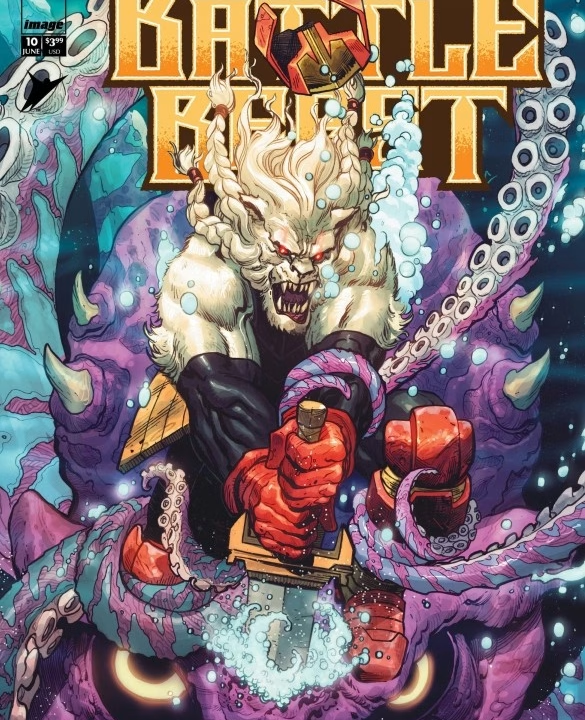
The comic book industry has long operated under a predictable pattern: a strong debut issue followed by a gradual decline in sales. Issue #1 typically serves as the high-water mark, driven by hype, speculation, and collector interest. However, Invincible Universe: Battle Beast is quietly rewriting that narrative. By the time Issue #9 arrived, instead of tapering off, the series had gained momentum—an anomaly that even its creators didn’t fully anticipate.
Insights from the Q&A section at the end of Battle Beast #10, featuring commentary from Robert Kirkman and Ben Abernathy, shed light on why this brutal, character-driven series is not just surviving—but thriving.
Breaking the Industry’s Attrition Pattern
Traditionally, comic series face what’s known as attrition, where readership declines with each subsequent issue. This is often attributed to fading novelty, inconsistent storytelling, or shifting reader attention. Even successful titles rarely escape this curve.
Kirkman directly addressed this phenomenon, expressing surprise at how Battle Beast has defied expectations. He noted,
“We recently got our sales figures for issue #9, and the sales trajectory for this series is actually CLIMBING.”
This statement alone highlights how rare this situation is within the industry.
What makes this even more notable is that the series is a spin-off, not a flagship title. Spin-offs typically rely on existing fanbases but struggle to maintain long-term engagement. Yet Battle Beast appears to be doing the opposite—converting curiosity into sustained readership.
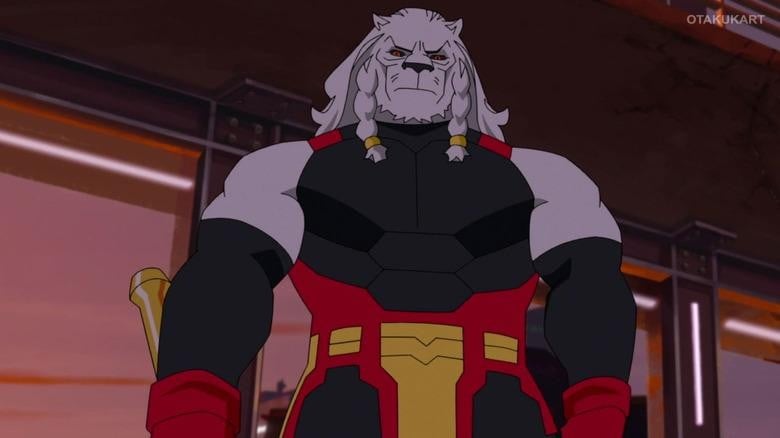
One of the clearest takeaways from the Q&A is that the character of Battle Beast himself plays a central role in this success. The letters section reveals readers deeply invested in his arc, with many praising the intensity, brutality, and emotional depth of the story.
Kirkman acknowledged this connection, stating that each issue is performing beyond initial expectations:
“Issue after issue we’re riding comfortably above where I’d hoped issue #1 would sell.”
This suggests that word-of-mouth and reader satisfaction are driving continued growth rather than just launch-day hype.
Editor Ben Abernathy’s involvement also ensures a consistent narrative tone. The Q&A responses reflect a clear editorial direction—balancing fan service with long-term storytelling. Readers are not just consuming the series; they are actively engaging with its themes, asking about future arcs, and speculating about character developments.
Kirkman described the current state of comics as “a crazy time,” acknowledging both challenges and opportunities within the industry. While some titles struggle to retain readership, others—like Battle Beast—are emerging as unexpected success stories.
This success is not happening in isolation. The Q&A section reveals a strong relationship between creators and readers. Fans are writing in with detailed questions about lore, future storylines, and character motivations, indicating a highly engaged audience.
Abernathy’s responses reinforce this connection, often teasing possibilities while maintaining narrative ambiguity. This balance keeps readers invested without giving away too much, a key factor in sustaining long-term interest.