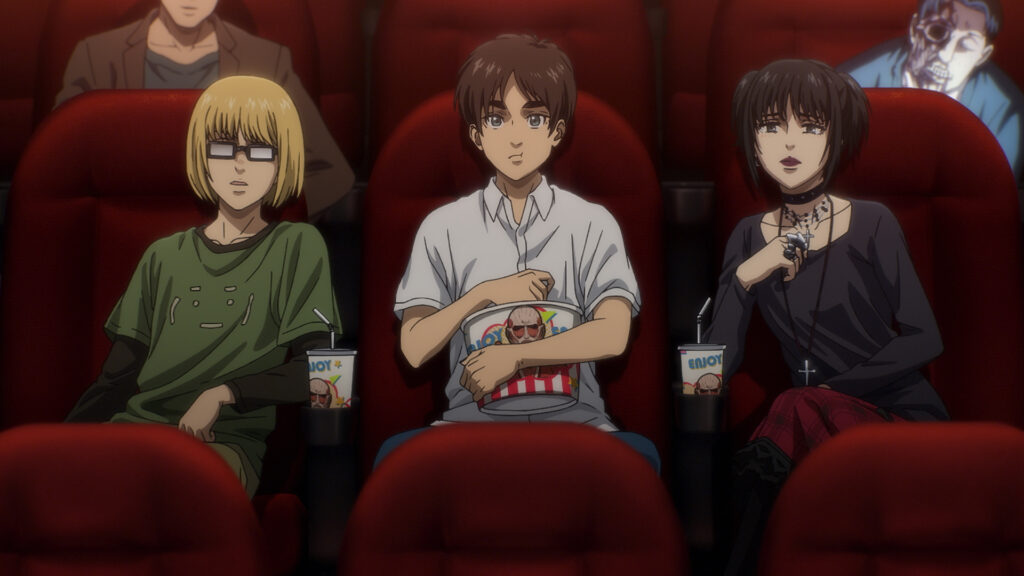
Attack on Titan fans were left with plenty to discuss after the anime’s finale aired, especially with the differences in the conclusion compared to the manga. While the core events remain the same, the anime opted for a few changes in how key moments played out, sparking conversation among the fanbase. Insider sources reveal that these alterations were intentionally made to enhance the emotional impact of the series.
In particular, the anime’s decision to adjust certain character dynamics and actions during the final episodes has been the subject of much discussion. With changes made to both character motivations and event sequences, the ending of Attack on Titan reflects an evolution of the story as it transitioned from manga to anime. These revisions have reshaped the narrative, offering a more satisfying conclusion for many fans.
Major Changes in Character Arcs
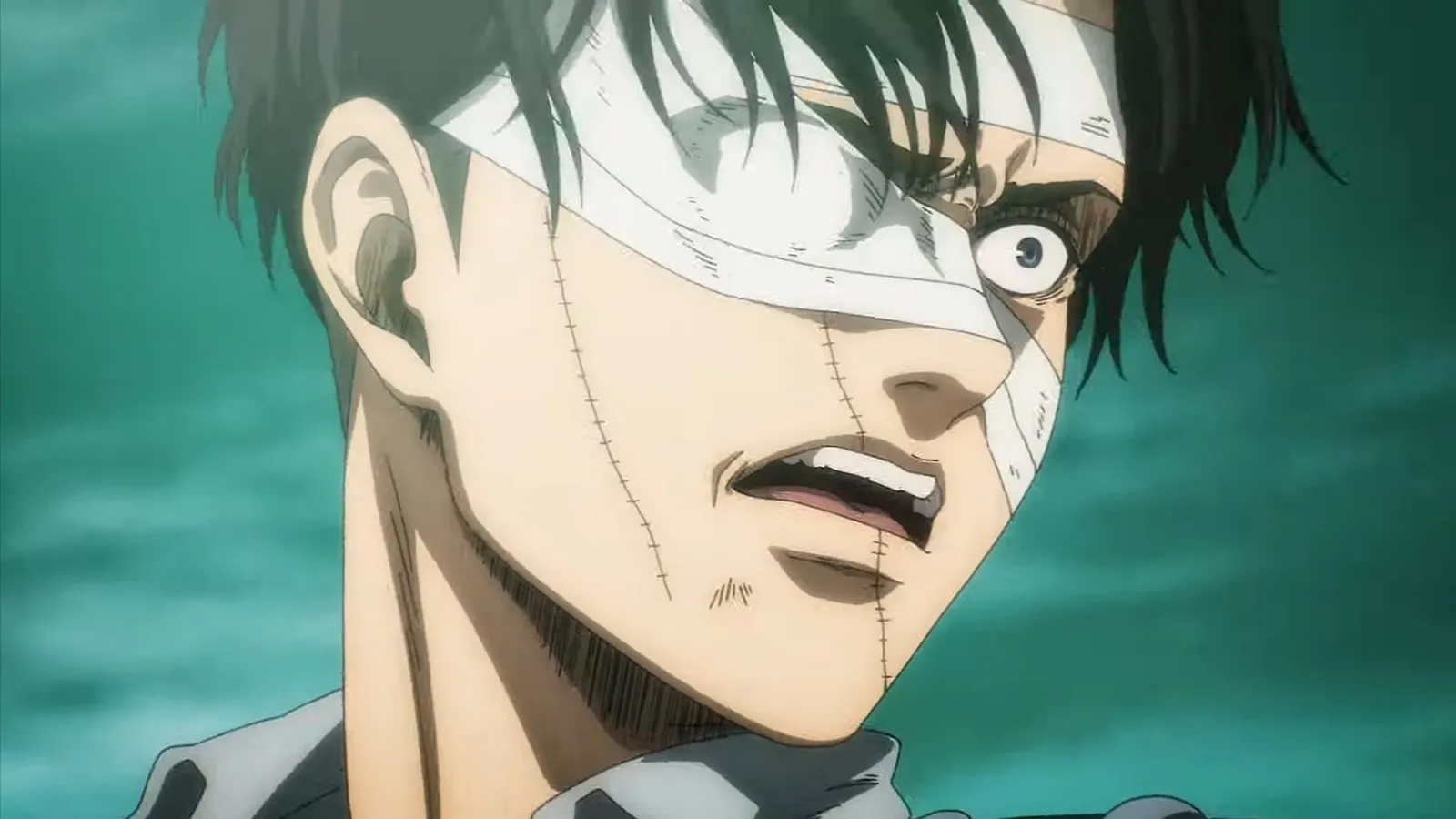
One of the most significant differences lies in the portrayal of Armin. While the manga presents Armin’s reaction to Eren’s actions in a subdued manner, the anime amplifies his emotional conflict. Armin’s internal struggle is given more focus, making his final moments feel more poignant and impactful. This shift enhances the depth of his character and better aligns with the anime’s more dramatic approach to storytelling.
Another notable change involves the Rumbling sequence. In the manga, the event is somewhat ambiguous, leaving much to the reader’s imagination. The anime, however, goes to greater lengths to depict the catastrophic consequences of Eren’s actions. The anime’s portrayal is more direct, highlighting the global devastation and heightening the emotional weight of the moment.
Isayama’s Intentions Behind the Ending Changes
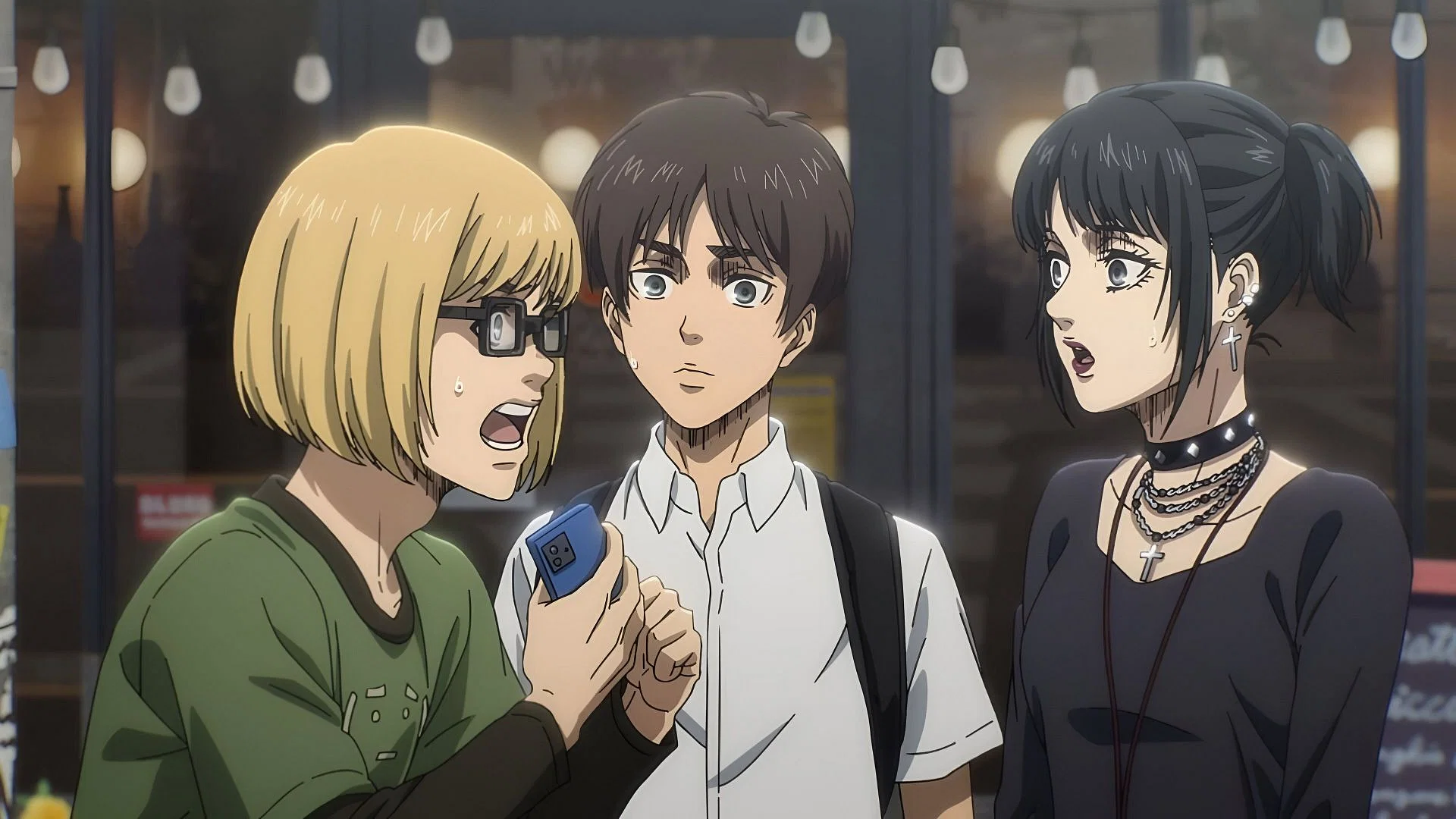
Hajime Isayama, the creator of Attack on Titan, has addressed the differences between the manga and anime endings. He explained that the anime’s conclusion was crafted to offer a more refined and emotionally charged ending. This change reflects Isayama’s understanding of the unique storytelling strengths of anime, compared to the manga’s more restrained style. The modifications were made with the aim of leaving a lasting emotional impact on viewers.
These adjustments have been widely discussed, and many fans feel that the anime’s conclusion resonates more deeply than the manga’s. Whether the changes were for the better is up for debate, but they undeniably offer a fresh perspective on the beloved series’ end.