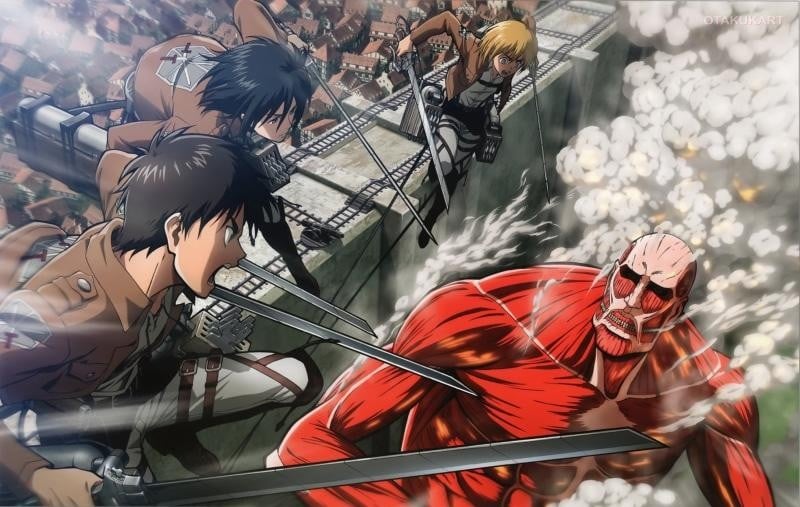
Nearly 15 years after Attack on Titan first premiered, director Tetsuro Araki and animation producer Tetsuya Nakatake have opened up about the difficult production behind the anime’s early seasons. In an interview with Anime News Network, the two WIT Studio veterans explained how ambitious storyboards and increasingly tight broadcast schedules created major pressure for the production team.
Araki, who directed Attack on Titan through Season 3, admitted that his storyboard process could take considerable time. While he believed detailed storyboards were essential to achieving the desired quality, delivering them too close to the broadcast date created serious problems for the production schedule.
“I take a long time,”
Araki explained. He added that when the storyboards arrived too close to the deadline,
“Mr. Nakatake really had to work hard or we weren’t going to make it to air.”
Nakatake also described the early production as a period when there were “a lot” of moments where the team wondered whether completing the anime would even be possible.
WIT Studio Had to Rework Its Production Structure
The pressure became especially apparent after the first season became a massive success. According to Nakatake, the team realized that continuing with the same production approach would not be sustainable.
The production structure was therefore changed for Season 2, with George Wada helping negotiate a new broadcast schedule while the staff was reorganized. Nakatake said these changes resulted in a much more stable production environment.
Araki considered Season 2 particularly successful from a production standpoint, describing it as the period when the team was able to maintain high quality while keeping the production stable. However, Nakatake jokingly acknowledged another problem: the season had become extremely expensive.
“We spent too much money,”
Nakatake admitted, adding that the team knew it would eventually face consequences for those costs.
The intense workload also had more serious consequences. Nakatake recalled that assistant director Hiroyuki Tanaka was taken away in an ambulance after working himself to exhaustion while the team was completing Episode 24.
Attack on Titan’s Ambition Helped Define Its Visual Style
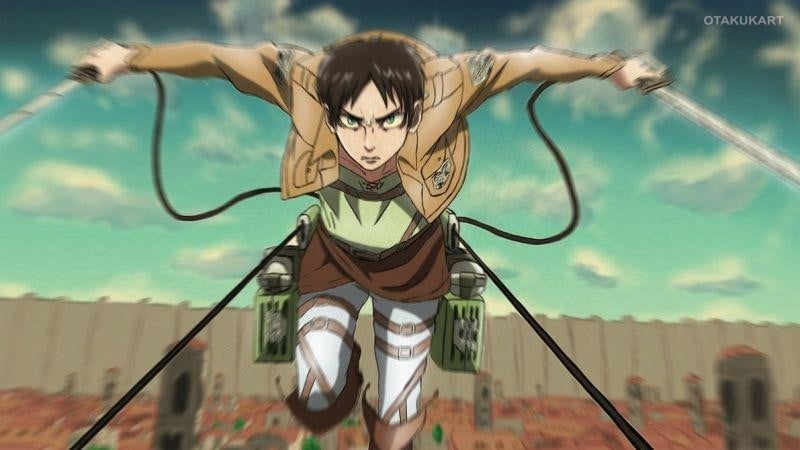
Despite the production difficulties, Araki believes the challenges helped produce an anime that pushed the boundaries of television animation. He specifically highlighted the relationship between dramatic storytelling and large-scale action, particularly the visually demanding ODM gear sequences.
Araki explained that intense action was designed to make the emotional moments hit harder, describing action and drama as
“two wheels working together.”
The distinctive movement of Attack on Titan also developed through experimentation among the animation staff. Araki credited artists including 3D director Shūhei Yabuta and animator Arifumi Imai for bringing unexpected ideas to the production.
Looking back, Araki believes the series ultimately became something much bigger than WIT Studio’s initial expectations. He said he did not initially think Attack on Titan would sell strongly, although he believed the team was making something very good.
The director now considers the completed franchise a “miraculous work,” while emphasizing that its legacy belongs not only to WIT Studio but also to MAPPA and director Yuichiro Hayashi, who completed the anime.