
Few television anime have demonstrated the lasting cultural weight of Fullmetal Alchemist: Brotherhood (2009). The second adaptation of Hiromu Arakawa’s manga continues to rank among the medium’s most respected titles, recognized for its disciplined storytelling, layered character arcs, and dynamic action direction. Fifteen years after its debut, the series remains a benchmark for faithful adaptation.
Across multiple panels and screenings, Irie reflected on the production process behind the series. We spoke with him during the event about the creative decisions and collaborative effort that shaped the anime’s enduring reputation.
This interview was conducted with the assistance of an interpreter and has been lightly edited for clarity. Minor, broad spoilers for Fullmetal Alchemist: Brotherhood are discussed.
Oliver: In earlier interviews, you cited Hayao Miyazaki as an influence during your formative years. How does it feel knowing your work now inspires younger creators?
Yasuhiro Irie: When I first entered the industry, Miyazaki’s work had a profound impact on me. To learn that younger artists now look to projects I directed as reference points is deeply meaningful. Of course, a series like Brotherhood is the result of collective effort, not individual accomplishment. Still, it is gratifying to know it resonates strongly enough to inspire others.
Oliver: Before directing Brotherhood, you worked on the 2003 Fullmetal Alchemist opening and later on Fullmetal Alchemist the Movie: Conqueror of Shamballa. What did that period contribute to your later work?
Yasuhiro Irie: My involvement began with the opening sequence of the 2003 television adaptation, which eventually led to joining the production of Conqueror of Shamballa. Around that same time, I became increasingly engaged with the original manga.
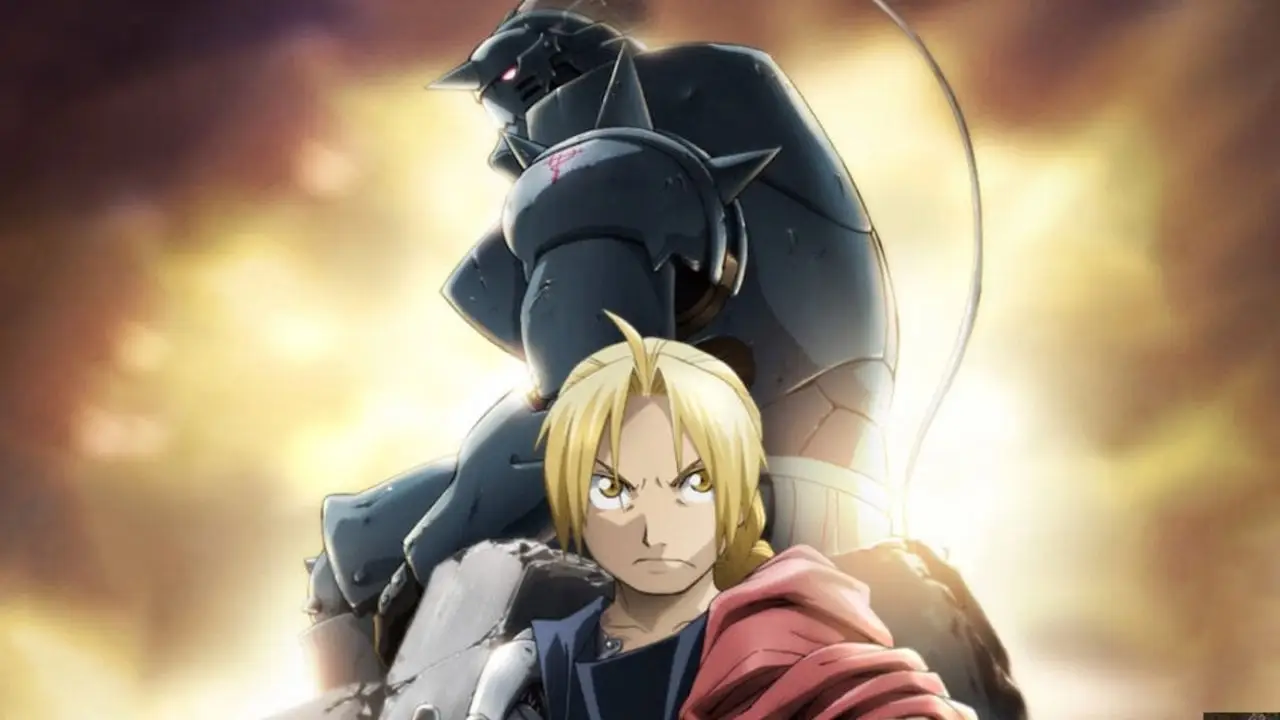
The experience gained from those projects, both technically and creatively, formed the groundwork for directing Brotherhood, which I began after completing the film. Returning to the franchise felt familiar, almost like reconnecting with something from my early career.
Oliver: You are known for directing impactful opening sequences. How does creating an opening differ from directing the series itself? Do you see it as a type of trailer?
Yasuhiro Irie: The two formats demand different approaches. An opening is extremely concise. Within a limited runtime, it must introduce central characters and communicate the series’ thematic direction. A full series, by contrast, allows for gradual development across many episodes.
While an opening can function as a condensed preview, it must also prioritize the music. The song is not merely background, it has to stand independently. We must create visual space for the lyrics and vocalist to carry emotional weight.
In the final Brotherhood opening, “Rain,” we focused on the characters’ destinies. The song helped frame their journeys from a different perspective. The imagery suggests Edward might reunite with his deceased mother, although that moment never occurs in the story.
Symbolic elements like that can evoke emotion without directly reflecting narrative outcomes. I also felt “Rain” was appropriate for the episode depicting Hohenheim’s death. The lyrics mirror his life and the reality that he could not die alongside Trisha.
Oliver: Brotherhood introduces characters absent from the 2003 adaptation. Did you consider how viewers familiar only with the earlier series might respond?
Yasuhiro Irie: My primary reference point was always the manga. Readers were already aware of those characters, and viewers encountering the story for the first time would simply accept them as part of the narrative. Since they originated with Arakawa’s work, incorporating them did not feel like a structural complication.
Oliver: Even today, the series is praised for its animation quality and narrative cohesion. How was that achieved?
Yasuhiro Irie: The credit belongs to the team. We had a combination of younger staff members and experienced professionals, which created a productive creative environment. That balance contributed significantly to the final result.
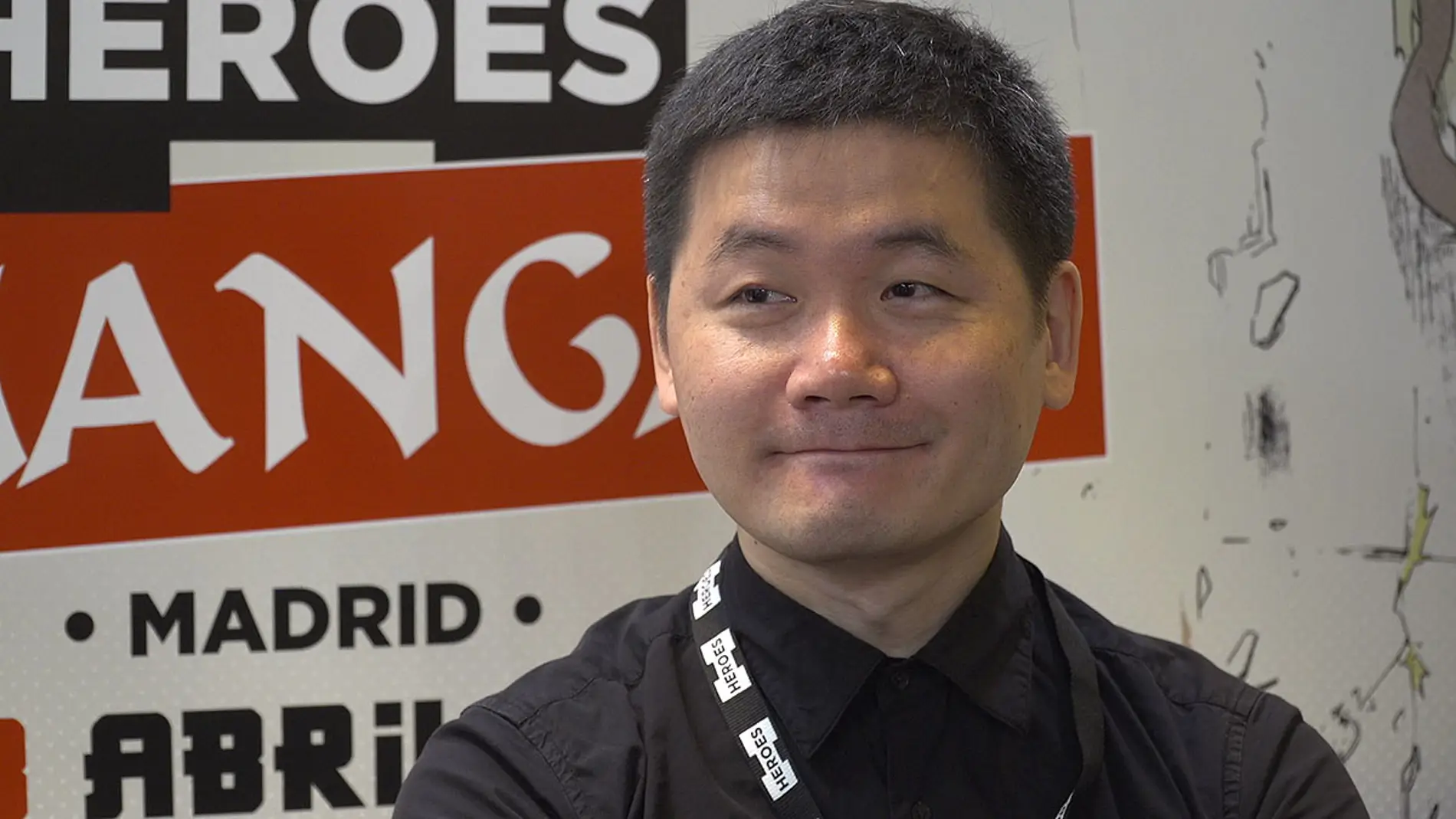
Our production structure was also important. Although we followed a master schedule, we approached the work episode by episode, maintaining consistent daily progress. That method allowed us to sustain quality through to completion.
Another key factor was open feedback. Staff members regularly offered candid critiques, even on material I had already approved. That collaborative atmosphere often elevated scenes beyond my original expectations. Ultimately, the strength of Brotherhood is rooted in the people who worked on it.
Oliver: Do you have a message for fans outside Japan?
Yasuhiro Irie: I am sincerely grateful that Brotherhood continues to be appreciated—both by longtime viewers and by those discovering it for the first time. Knowing the series still holds value confirms that our efforts were worthwhile. I hope it continues to be enjoyed well into the future.
We extend our thanks to Yasuhiro Irie for sharing his reflections. Fifteen years after its release, Fullmetal Alchemist: Brotherhood remains a defining work in modern anime, one that shaped a generation of viewers and continues to find new audiences worldwide.