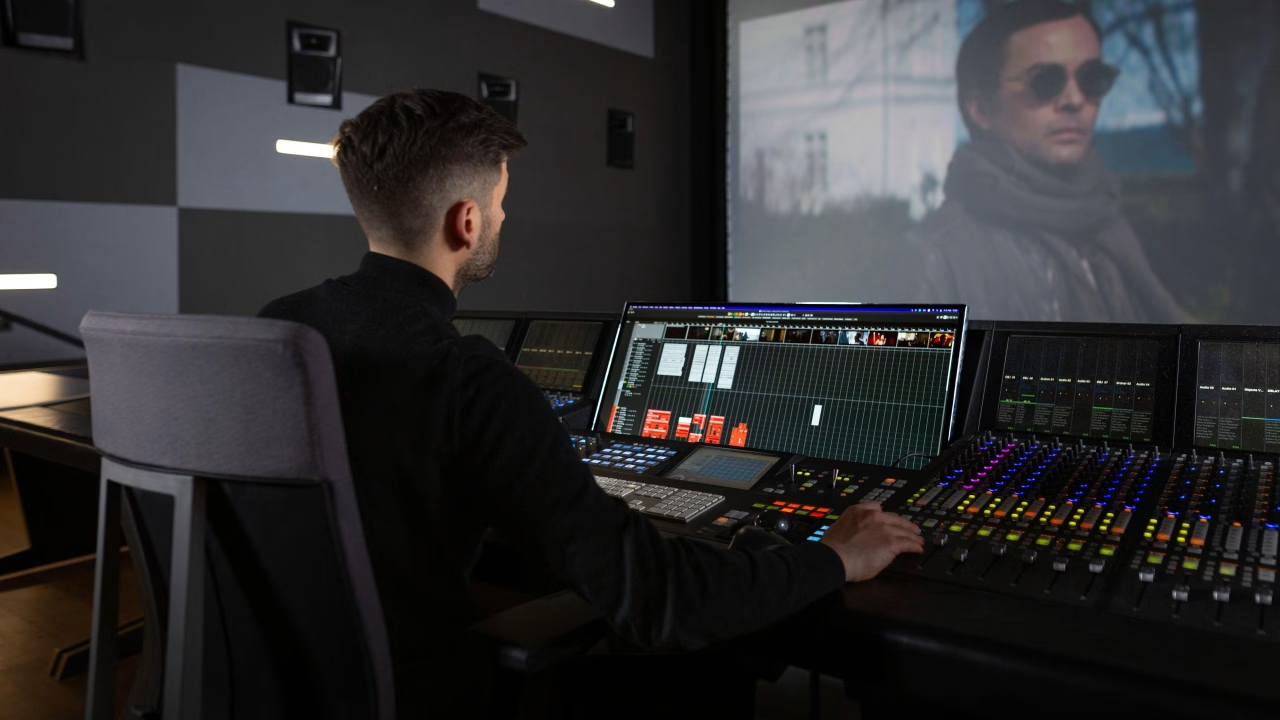
Cinematic trailer music does something that almost no other audio format has to pull off: it has to create an emotional arc in under two minutes.
No character development, no plot setup — just pure sonic momentum. For filmmakers and content creators who want that same punch in their own projects, understanding how trailer music is built is the first step to using it effectively.
The Anatomy of a Trailer Cue
Most successful trailer tracks follow a structure that’s almost architectural in its precision. They start with tension — low drones, sparse percussion, maybe a single piano note hanging in the air. Then comes the build: layered strings, a rising brass line, a snare pattern that starts pushing the tempo. By the final act, the cue is in full cinematic mode — massive, overwhelming, designed to make your chest tighten.
That three-part structure (setup, escalation, peak) maps almost perfectly to how the human nervous system responds to suspense. Composers working in this space know that they’re not just writing music — they’re engineering a physiological reaction. The best trailer composers think less like songwriters and more like architects designing a building that has to collapse in exactly the right way.
Why Sound Design and Music Work Together
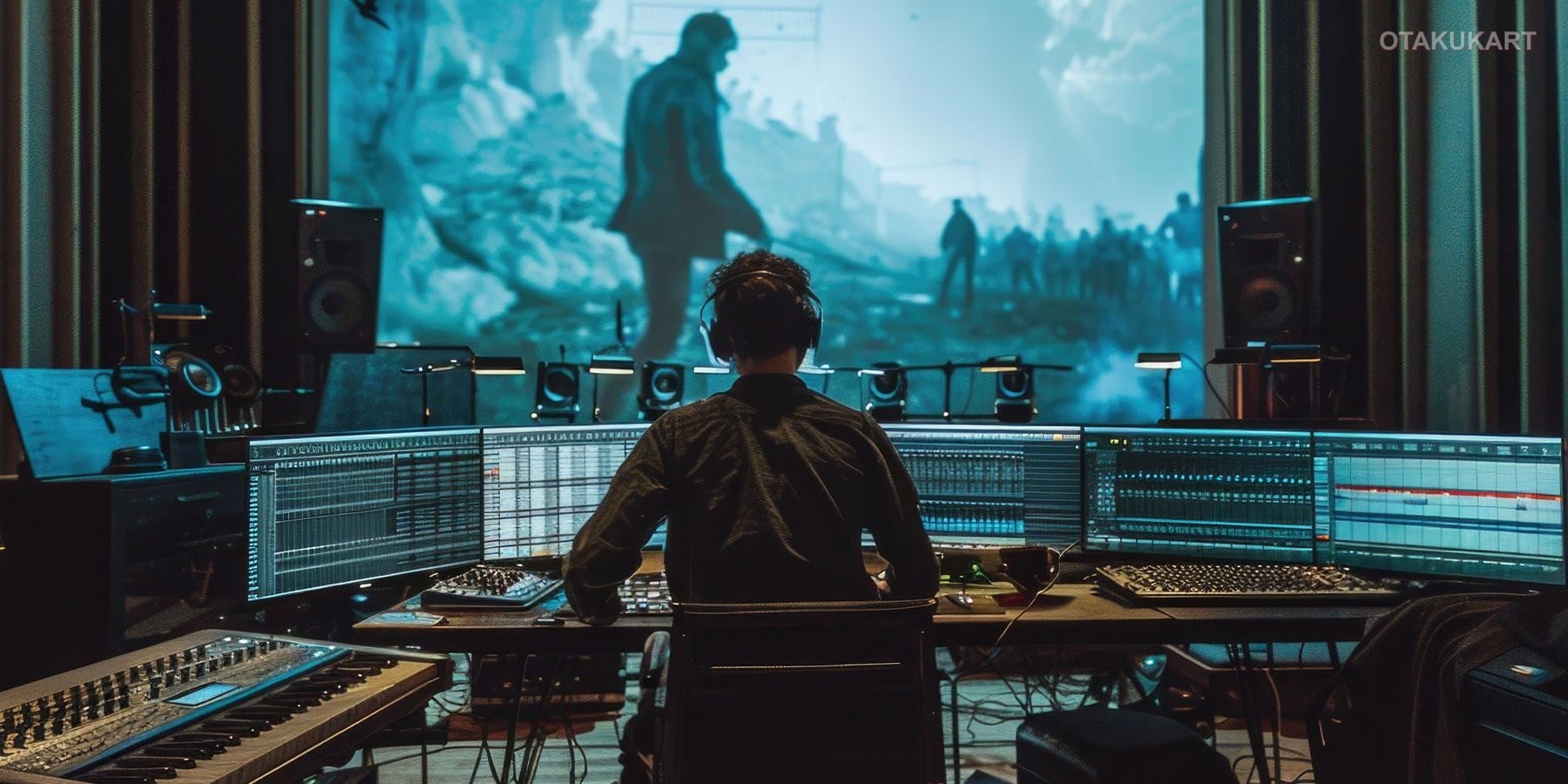
One mistake that first-time filmmakers often make is treating music and sound design as separate layers that get stacked on top of each other at the end. In professional trailer production, they’re built together from the start. The thud of a bass hit on the downbeat is often half music, half sound effect — processed, pitched, and timed to blur the line between the two.
This is why sourcing high-quality audio elements matters so much. Working with royalty-free sound effects for film and television gives editors and composers the raw material they need to create those hybrid elements without starting from scratch every time. A well-curated library of impacts, risers, drones, and transitions can be as valuable to a trailer cut as the music itself.
The texture of the sound design — the crunch of debris, the metallic scream of a riser — fills the perceptual space between musical phrases. When done right, the audience can’t tell where the score ends and the effects begin. That’s the goal.
What Makes a Trailer Cue Feel “Earned”
There’s a particular kind of trailer music that’s become almost self-parody at this point — the four-on-the-floor kick drum, the obligatory horn stab, the dubstep drop that lands on the title card. None of that is inherently bad, but it works best when it earns its moments.
Earning a moment in trailer music means a few things:
- Dynamic contrast: If everything is loud, nothing is loud. The most impactful builds are the ones that start genuinely quiet.
- Melodic anchor: The best trailer cues have at least one melodic idea — even just four or five notes — that the audience can follow through the chaos.
- Rhythmic tension: Syncopation, meter changes, and the deliberate withholding of a beat are powerful tools. A snare that lands a half-beat late creates unease in a way that explanatory text never could.
- Silence: Nothing is underused in trailer music more than silence. A half-second of nothing before a massive hit is often more effective than any sound you could put there.
Licensing, Libraries, and Getting the Sound You Need
One of the more practical realities of film and TV production is that iconic trailer tracks — the ones everyone associates with massive blockbuster campaigns — are almost never available for licensing by independent filmmakers. Those cues are either owned outright by the studios or cost more per sync than most indie budgets allow.
That’s what’s made the trailer music library market so robust over the past decade. Specialized composers now write music specifically in the cinematic trailer idiom for licensing purposes. The quality has gotten genuinely impressive. Some of the best diegetic tension-building music being produced right now is sitting in production libraries, not on major label rosters.
The same logic applies to the sound design layer. Production sound libraries have developed alongside the trailer music industry, with specific collections built around the needs of theatrical trailers, streaming promos, and video game cinematics. The distinction between sound design and score has gotten thinner, and the best libraries reflect that by offering material that works in both registers.
For filmmakers putting together a professional-sounding cut, the practical takeaway is this: invest as much care in your audio library as you do in your music search. The right combination of a strong trailer cue and well-matched sound elements is what separates a cut that feels cinematic from one that just feels loud.