The 2000s were a fascinating time for reality television. Many shows tried to grab viewers’ attention. Some shows were unique and entertaining. Others were bizarre and strange. A few shows even had cruel elements.
Among all these shows, one stood out: The Swan. This show was unlike anything else. It combined a strange premise, cruel treatment of contestants, and an odd kind of success.
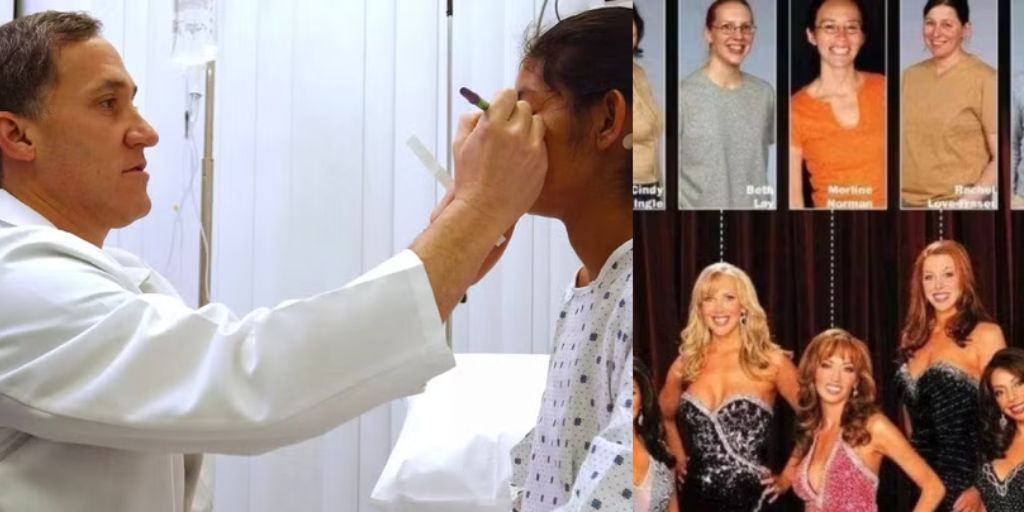
The Swan aired on FOX for two seasons from April 7 to December 20, 2004. The show’s concept was to take women who were considered “ugly ducklings” and transform them into swans through multiple plastic surgeries.
The process involved isolating these women from their friends and family for three months. They underwent intense plastic surgery, followed strict exercise routines, and attended therapy sessions.
Despite its odd and cruel nature, The Swan became popular, attracting an average of 9.1 million viewers. The show’s popularity raises questions about why people were drawn to such a strange concept.
The Show’s Premise
The show started by taking contestants who were unhappy with their looks. These women believed they were unattractive and wanted to change their appearance.
Producers promised them a transformation that would make them feel beautiful. However, the journey was anything but easy. Contestants faced intense pressure and strict rules throughout their time on the show.
One of the most shocking aspects of The Swan was that contestants were isolated from their families and friends for three months.
They were only allowed to make short phone calls each week. This isolation was meant to help them focus on their transformation. However, it also added to the emotional strain.
During these three months, contestants could not look at themselves in mirrors. All mirrors were covered, so they had no idea how their bodies were changing.
This lack of self-awareness made the reveal at the end even more dramatic. After three months of surgery, exercise, and therapy, the contestants saw their new looks for the first time in front of the team that transformed them.
At the end of the transformation period, the two contestants in each episode had to compete against each other.
Their competition was not just about looks; it included how well they handled recovery from surgery, their commitment to diet and exercise, and their openness in therapy. One contestant would be chosen to continue to The Swan Pageant, while the other would be sent home.
At the pageant, nine women, called “swans,” competed for a crown. They had to walk the stage in lingerie and swimwear.
The pressure to perform and look perfect was immense. This combination of extreme makeovers and competition created a unique and shocking television experience.
Immediate Backlash
Even while it was airing, The Swan received significant criticism. Society has changed a lot since the early 2000s. Today, many people advocate for body positivity.
They encourage self-acceptance and challenge unrealistic beauty standards. Looking back at shows like The Swan, many viewers now see them as cruel and harmful.
The backlash against The Swan was immediate. Major publications criticized the show for its harsh treatment of contestants.
For example, It was described The Swan as “hurtful and repellent,” highlighting the show’s lack of boundaries. The article pointed out that the show was willing to go to great lengths for ratings and viewer engagement.
The harshness of the show was evident in the demanding exercise routines and the psychological pressure put on the contestants. After undergoing extensive plastic surgery, women were expected to follow strict workout plans.
They had to spend up to two hours a day in the gym, six days a week. If they struggled to keep up, Nely Galán, the show’s creator and executive producer, would publicly criticize them.
One contestant faced harsh words from Galán for ordering cream cheese. She told her, “You’ll be a tub if you keep eating cream cheese.”
This kind of criticism made many viewers uncomfortable. It showed the extreme pressure these women were under to conform to a narrow standard of beauty.
The Therapy Sessions
Another controversial aspect of The Swan was the therapy segments. Therapist Lynn Ianni conducted sessions with each contestant.
During these sessions, she asked probing questions that forced contestants to reveal personal trauma. Each contestant had a backstory filled with struggles, and many came to the show seeking healing.
For example, one contestant had been a victim of a house fire, which left her with visible scars. Another was a widow dealing with the loss of her husband.
One contestant even received divorce papers during her time on the show. Sharing these painful experiences on national television made these women even more vulnerable.
Typically, therapy is a private space where individuals can talk about their feelings and experiences. However, the televised format removed that privacy.
he contestants had to share their traumas in front of millions of viewers, turning their pain into entertainment. This exploitation of their struggles raised ethical questions about the show.
Some contestants faced further criticism if they did not share enough during therapy. For instance, a contestant who was more reserved during her sessions did not make it to the pageant.
Another contestant struggled to recover from years of trauma in just three months and did not reach the pageant either.
The unrealistic expectation for emotional healing in such a short time frame highlighted the show’s problematic nature.
It takes years for many people to work through their traumas. Yet, The Swan expected contestants to make significant progress in just three months.
The Cost of Transformation
One of the most troubling aspects of The Swan was the notion of a “free” makeover. Contestants received hundreds of thousands of dollars worth of plastic surgery without paying for it.
However, this “free” offer came at a steep price. The women had to expose their deepest emotional wounds for the sake of entertainment.
The phrase “there’s no such thing as a free meal” applies perfectly here. While contestants did not pay for their surgeries, they paid with their privacy and emotional well-being. They were manipulated into sharing their pain and struggles on national television.
Other Extreme Shows
The Swan was not the only extreme makeover show during its time. Another show called Extreme Makeover aired on ABC from 2002 to 2007. While Extreme Makeover had some similarities to The Swan, it also had significant differences.
Extreme Makeover featured both men and women as contestants. Participants had more control over what changes they wanted to make to their appearance.
Unlike The Swan, where a team decided on the transformations, contestants on Extreme Makeover could voice their preferences.
Additionally, contestants on Extreme Makeover were allowed to see their reflections during the process.
This was a stark contrast to the experience of The Swan contestants, who were kept in the dark about their transformations. Moreover, Extreme Makeover did not include exploitative therapy sessions like those in The Swan.
While Extreme Makeover also faced criticism, it did not receive the same level of backlash as The Swan. This was partly because Extreme Makeover allowed contestants to reveal their stories without the same level of emotional exposure.
Contestants celebrated their transformations with family and friends instead of competing against one another in a pageant.
Cultural Shift in Plastic Surgery
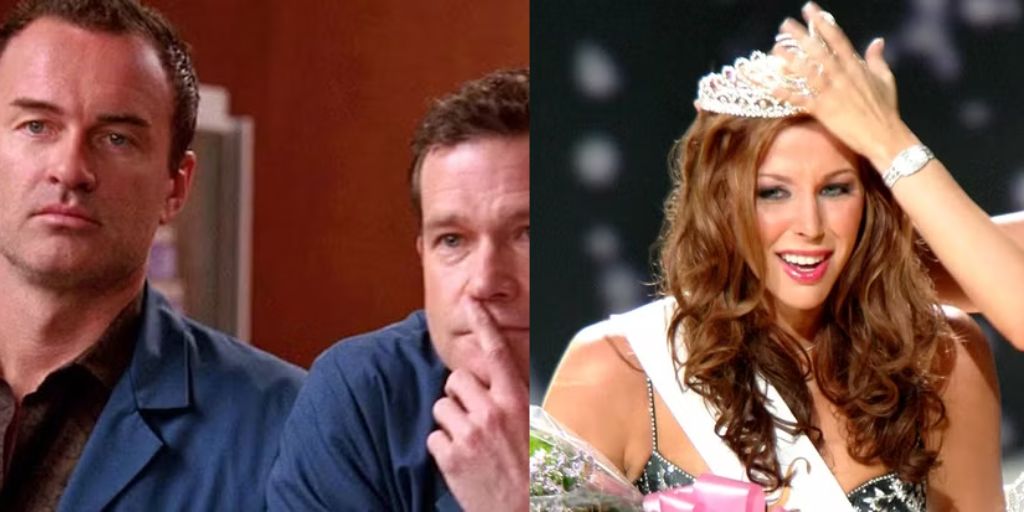
During the 2000s, perceptions of plastic surgery were changing. Shows like Nip/Tuck, which first aired in 2003, highlighted the lives of plastic surgeons and their patients.
The show presented a mix of drama and ethical dilemmas related to cosmetic surgery. As a result, it paved the way for other shows focused on plastic surgery, including Dr. 90210, which followed the lives of Beverly Hills surgeons.
Despite its entertainment value, The Swan raised serious questions about the ethics of reality TV and the treatment of its contestants.
Dr. Anthony Youn, a plastic surgeon and YouTube personality, expressed concerns about The Swan. He criticized the show for manipulating contestants and rushing them into surgery during vulnerable times in their lives.
Dr. Youn pointed out that one contestant received surgery shortly after losing her husband. He emphasized that undergoing surgery while grieving is not a healthy choice.
He also highlighted the dangers of multiple surgeries in a short time, warning that it could lead to serious health risks.
Furthermore, he criticized how The Swan viewed contestants only as a series of surgeries instead of as complete individuals with complex emotions and experiences. The show failed to consider the long-term impacts of their transformations on the contestants’ mental health.
Even Crueler Shows
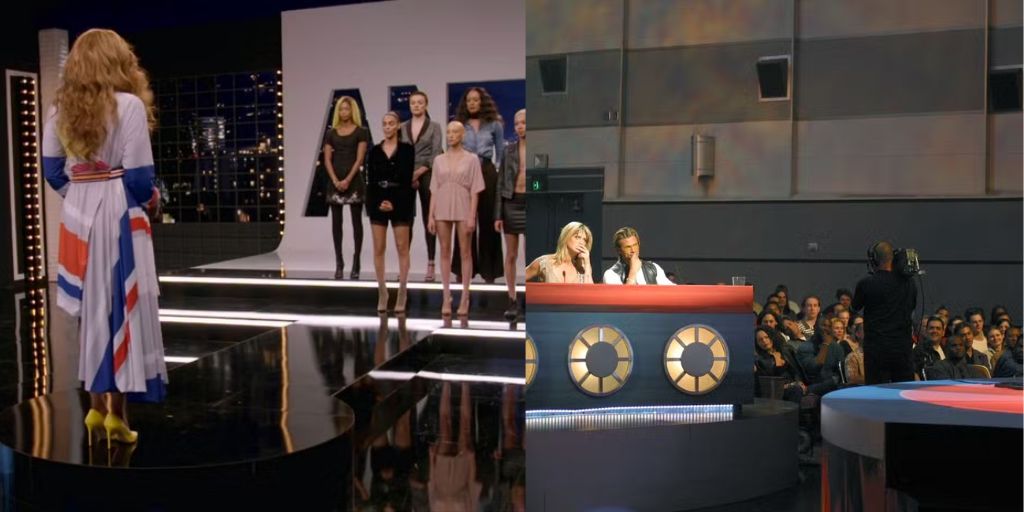
While many consider The Swan the harshest reality show of the 2000s, others argue that it was not the worst. Another short-lived show called Are You Hot? aired on ABC. This show featured a panel of celebrity judges who evaluated contestants solely on their appearance.
In Are You Hot?, contestants stood on stage in front of judges and an audience. The judges decided whether each contestant was “hot” or “not.”
If a contestant was deemed “hot,” they moved on to the next round. In the second round, contestants appeared in swimwear while judges picked apart their looks.
One judge even used a laser pointer to criticize a contestant’s legs. This kind of judgmental behavior was harsh and demeaning. Unlike The Swan, Are You Hot? did not pretend to offer any form of personal growth or transformation. It was simply a beauty contest based on looks alone.
In this regard, some viewers felt that The Swan was at least attempting to address deeper emotional issues. Still, many would argue that the emotional turmoil contestants faced on The Swan made it equally, if not more, harmful.
Contestants’ Reflections
Over the years, many contestants from The Swan have spoken out about their experiences on the show. Some have expressed regret, while others have found positive aspects in their journeys.
One contestant, who underwent extensive surgeries, described her time on The Swan as a “double-edged sword.”
While she appreciated the physical transformation, she felt emotionally drained after being scrutinized on national television. She struggled with self-image issues long after the show ended.
Another contestant shared that she felt exploited during her time on the show. She regretted sharing her painful past on camera, believing it only made her feel worse. She felt the show did not help her heal but instead turned her trauma into entertainment for viewers.
However, not all contestants had negative feelings about their experiences. Some expressed that The Swan helped them regain confidence. They felt empowered after their transformations, even if the journey was difficult. For these women, the show became a catalyst for personal growth.
The Aftermath of The Swan
The Swan left a lasting impact on reality television. Its unique combination of extreme makeovers, personal trauma, and competitive elements set a precedent for future shows. However, it also served as a cautionary tale.
After its run, the show sparked conversations about ethics in reality television. It led to discussions about how producers should treat contestants.
The backlash against The Swan paved the way for more compassionate portrayals of individuals in future reality shows.
In recent years, many reality shows have shifted towards more positive messages. They focus on self-acceptance, empowerment, and personal growth.
Shows like Queer Eye and The Great British Bake Off emphasize teamwork, community, and support rather than competition and judgment.
These modern shows showcase individuals working together to improve their lives. They celebrate diversity and challenge traditional beauty standards.
The shift from the harsh treatment of contestants in shows like The Swan to the more supportive environment of contemporary reality TV reflects changing societal values.
The Swan remains a controversial and memorable part of reality television history. Its strange and cruel premise attracted audiences while raising important ethical questions.
The show pushed the boundaries of what reality television could be, showing the intersection of beauty, trauma, and personal growth.
Today, many viewers look back on The Swan with a mix of curiosity and discomfort. It serves as a reminder of the lengths some shows will go to entertain audiences. As society continues to evolve, the lessons learned from The Swan will likely shape the future of reality television.
As viewers, we must remember the real people behind the cameras. They are not just contestants but individuals with their own stories, struggles, and dreams.
The impact of shows like The Swan on their lives should not be forgotten. While the allure of transformation may be compelling, we must also recognize the importance of empathy, understanding, and self-acceptance in our journey toward personal growth.
The Swan stands as a testament to both the power and the pitfalls of reality television. Its legacy continues to influence how we view beauty, self-acceptance, and the complexities of human experience in the entertainment world.