
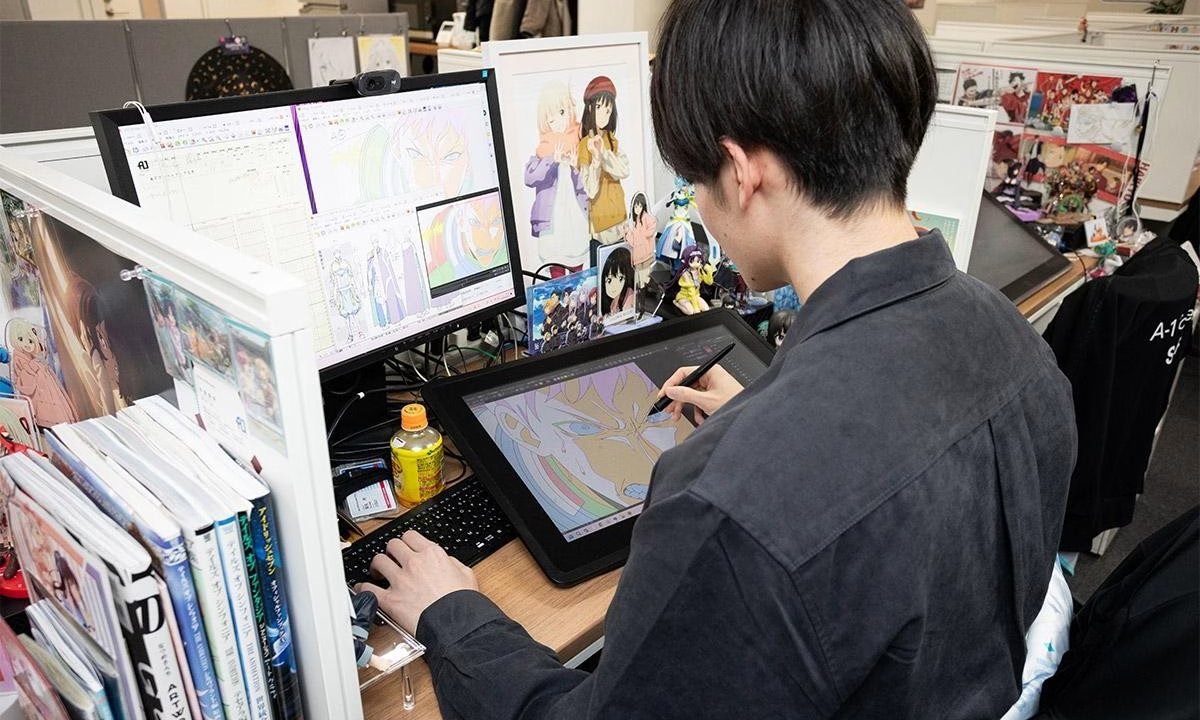
Japan’s anime industry continues to expand its global reach, but the growing popularity of Japanese animation has not ensured that its creators receive compensation matching their skills and contributions. Fujitsu Ryota, programming advisor for the Tokyo International Film Festival’s Animation section, believes the gap between the industry’s creative achievements and workers’ pay remains a serious concern.
In an interview with Variety, Fujitsu said,
“Given the high level of creativity demonstrated by animation professionals, their compensation is still not where it should be.”
His comments highlight a challenge facing an industry whose international success depends on the artists, animators, and production teams responsible for bringing its stories to life.
Rather than treating low compensation as a problem shared equally by every studio, Fujitsu pointed to differences in how individual companies operate and whether they can afford to invest in their employees and productions.
WHY ANIME CREATORS’ PAY DEPENDS ON STUDIO INVESTMENT
Fujitsu explained that a studio’s ability to attract talented staff can influence whether it produces a successful anime project. As he told Variety,
“it’s not necessarily that a hit film generates profits that are then passed on to the people who made it.”
Instead, companies that can recruit skilled professionals from the beginning may have a stronger chance of creating successful productions and expanding overseas.
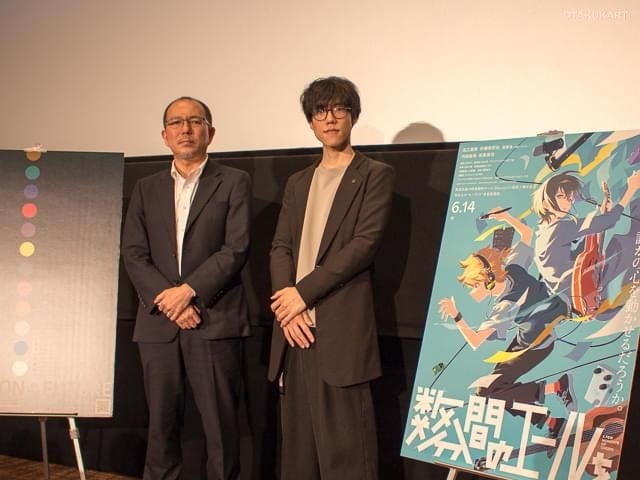
However, offering better pay and working conditions requires studios to invest more of their own money and accept greater financial risks. Companies with sufficient resources may be able to make those commitments, while others face tighter limitations. Fujitsu warned that treating compensation as a single industry-wide problem could overlook the different business decisions and financial circumstances shaping individual studios.
Fujitsu raised concerns about the future of original animated films that do not have an established franchise or recognizable intellectual property. With streaming platforms investing in anime and theatrical franchises attracting audiences, independent projects may find it harder to secure financing and distribution. Limited public funding for animated features in Japan adds another challenge, making international film festivals, overseas markets, and co-productions important opportunities for filmmakers.
The issue also connects to the Tokyo International Film Festival’s Animation section, which presents Japanese and international films across different production styles. The festival’s official 2026 lineup identifies Fujitsu as the section’s programming advisor.
Fujitsu is also scheduled to moderate a TIFFCOM symposium about plans for a new international anime award in 2027. According to the official TIFFCOM event page, the initiative aims to recognize not only outstanding works but also the creators, producers, and studios behind them.
The proposed award could bring greater visibility to animation professionals, but Fujitsu’s comments underline a broader concern: anime’s growing international success does not automatically translate into fair compensation for the people who create it.