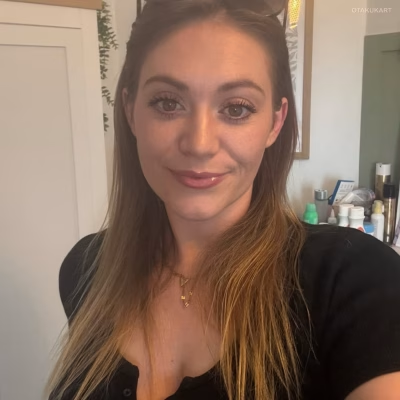
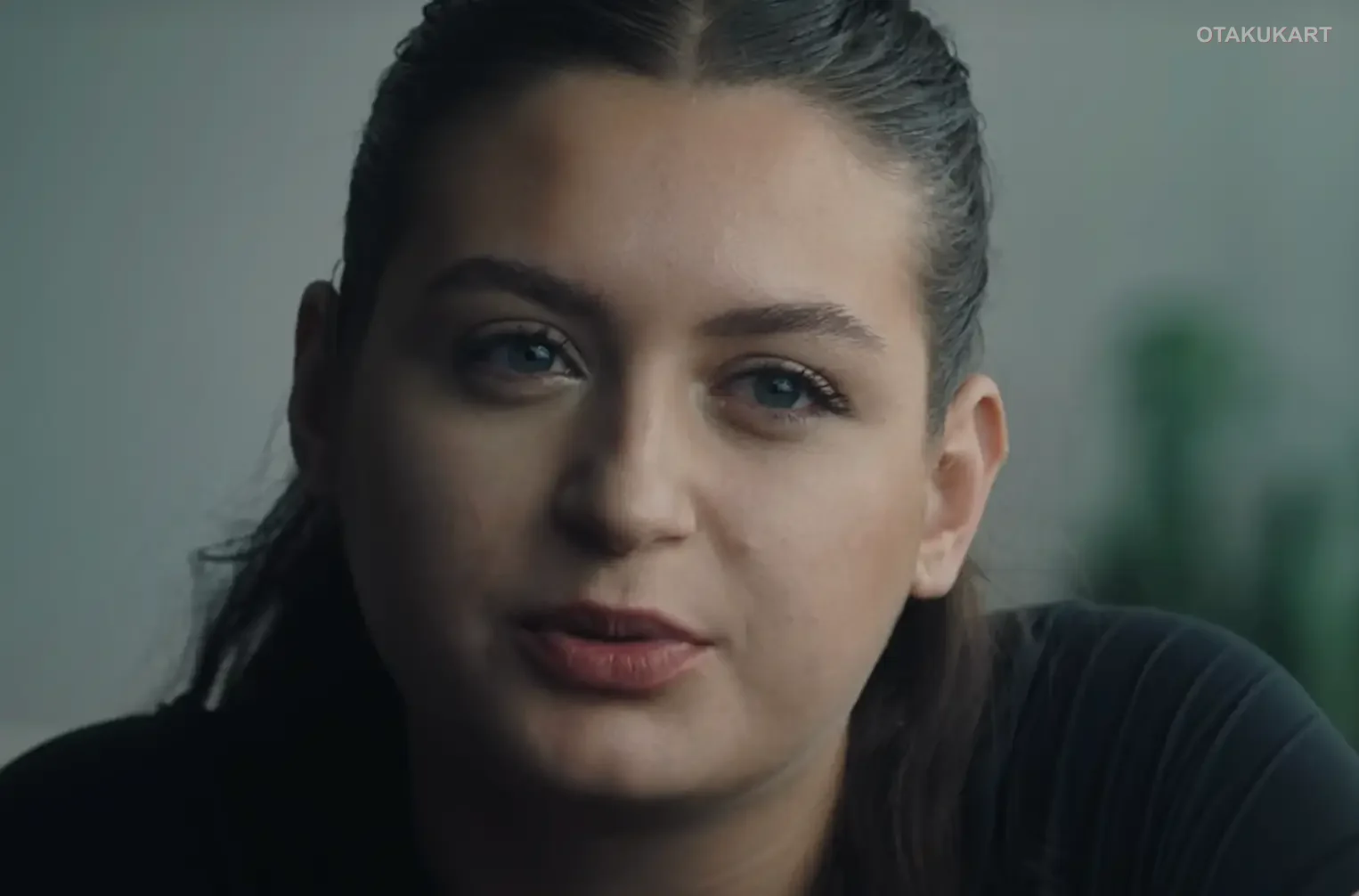
Netflix’s latest true-crime release The Crash has sparked a wave of online discussion, but the conversation has quickly shifted toward one of its featured voices. TikTok influencer Rosie Graham is now addressing widespread criticism after viewers accused her of presenting a sympathetic perspective toward convicted driver Mackenzie Shirilla. As clips from the documentary continue circulating across social platforms, the backlash has intensified, turning Graham into an unexpected focal point of the controversy.
The debate surrounding The Crash highlights the broader challenges of true-crime storytelling in the streaming era. With millions of viewers forming opinions based on edited narratives, participants featured in these documentaries often find themselves facing public scrutiny. Graham’s response sheds light on how these portrayals can differ from the full context of recorded interviews.
Rosie Graham Says Her Role Has Been Misunderstood
Following days of criticism, Graham shared a detailed statement on TikTok clarifying her involvement in the documentary. She stressed that her participation was not intended to defend Shirilla or take sides in a case that resulted in the deaths of two teenagers. Instead, she explained that she simply answered questions based on her own experiences and interactions.
Graham emphasized that she had cooperated fully with authorities during the legal process. She stated that she worked with prosecutors ahead of the trial and was even prepared to testify if required. This clarification was aimed at countering claims that her appearance in the documentary suggested support for the accused.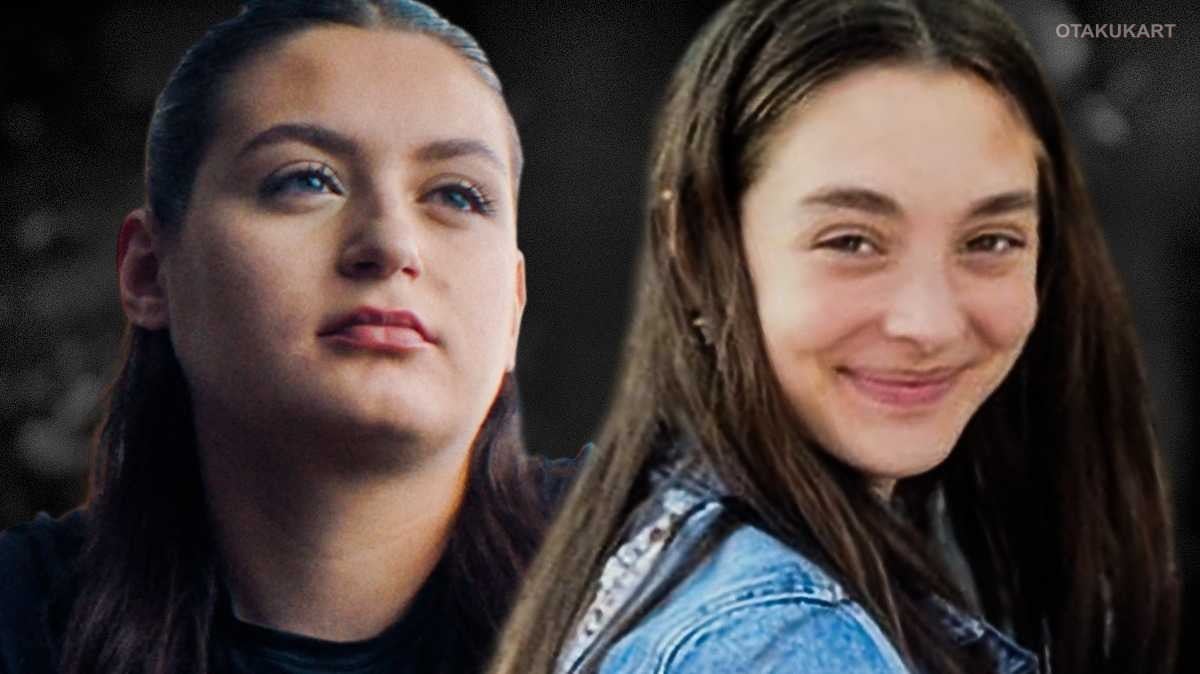
Claims of Selective Editing Raise Questions
A major part of Graham’s response focused on how her interview was presented in the final cut of the documentary. According to her, the production team recorded over eight hours of conversation, but only a small portion was included. She suggested that important context was removed, leading to a portrayal that did not fully reflect her perspective.
She described the situation as a case where the documentary “pushed a narrative” that she did not entirely agree with. This statement has fueled further debate online, with some viewers questioning how much influence editing has on shaping audience perception. The issue is particularly relevant in true-crime content, where storytelling choices can significantly impact how individuals are viewed.
Social Media Backlash Continues to Grow
The controversy has gained momentum largely due to social media platforms, where short clips from The Crash have gone viral. TikTok, in particular, has played a major role in amplifying reactions, with users dissecting Graham’s comments and sharing their interpretations. This rapid spread of content has intensified the emotional response surrounding the case.
While many viewers have criticized Graham’s portrayal, others have come to her defense, arguing that documentaries often simplify complex situations. Supporters suggest that audiences should be cautious about forming conclusions based solely on edited segments. This divide reflects a broader conversation about how true-crime stories are consumed in the digital age.
Concerns Over Personal Exposure
Graham also addressed issues related to her online presence being featured in the documentary. She claimed that she had requested for her social media platforms to remain separate from the project. In support of this, she shared what appeared to be a message sent to the production team asking for references to her YouTube channel to be excluded.
This aspect of the controversy highlights the blurred line between public and private identities for influencers. Appearing in a high-profile documentary can significantly increase visibility, but it can also expose individuals to criticism and scrutiny on a much larger scale.