Season 4 of The Legend of Vox Machina wastes no time shifting gears. After the high-stakes spectacle of the Chroma Conclave arc, these first nine episodes pivot toward something more introspective, layered, and quietly devastating.
Instead of constant dragon battles, the focus now rests on broken friendships, unresolved guilt, and a creeping threat that feels far more personal than anything Vox Machina has faced before. This isn’t just another adventure—it’s the beginning of the endgame.
A World Saved, But Not Healed
The opening stretch of episodes immediately establishes a key theme: saving the world doesn’t mean fixing it. The aftermath of the Chroma Conclave looms large, with entire regions of Exandria still suffering from destruction, loss, and lingering trauma.
Rather than celebrating victory, the story asks a tougher question—what happens after the heroes win?
The fragmented state of Vox Machina reflects this uncertainty. The team has gone their separate ways, each trying to define a life beyond adventure. But the show makes it clear early on that peace doesn’t suit them. The emotional distance between characters feels deliberate, setting up a slow but inevitable reunion driven not by glory, but necessity.
The introduction of a mysterious cult—the Children of Truth—adds a sense of unease. Their promise to defy the gods and offer immortality hints at a deeper philosophical conflict. This isn’t just about defeating a villain; it’s about challenging belief systems and the nature of fate itself.
Unlike previous seasons, where enemies were monstrous and overt, Season 4 introduces a more insidious antagonist. The looming presence of the Whispered One creates tension through mystery rather than spectacle.
What makes this threat compelling is its ideological foundation. The cult’s devotion, combined with their unsettling resilience, turns them into something far more dangerous than brute-force enemies. They aren’t just obstacles—they’re believers.
As the story unfolds, fragments of the Whispered One’s history emerge. The idea of a sorcerer who challenged the gods and was sealed away introduces a mythic scale to the narrative. Yet, the show wisely withholds full clarity, allowing dread to build gradually.
This approach keeps viewers engaged, as the danger feels both imminent and unknowable.
Taryon Darrington Steals the Spotlight
One of the most surprising highlights of the season is the introduction of Taryon Darrington. Stepping into the void left by Scanlan’s absence, Taryon brings a chaotic, self-aware energy that instantly reshapes the group dynamic.
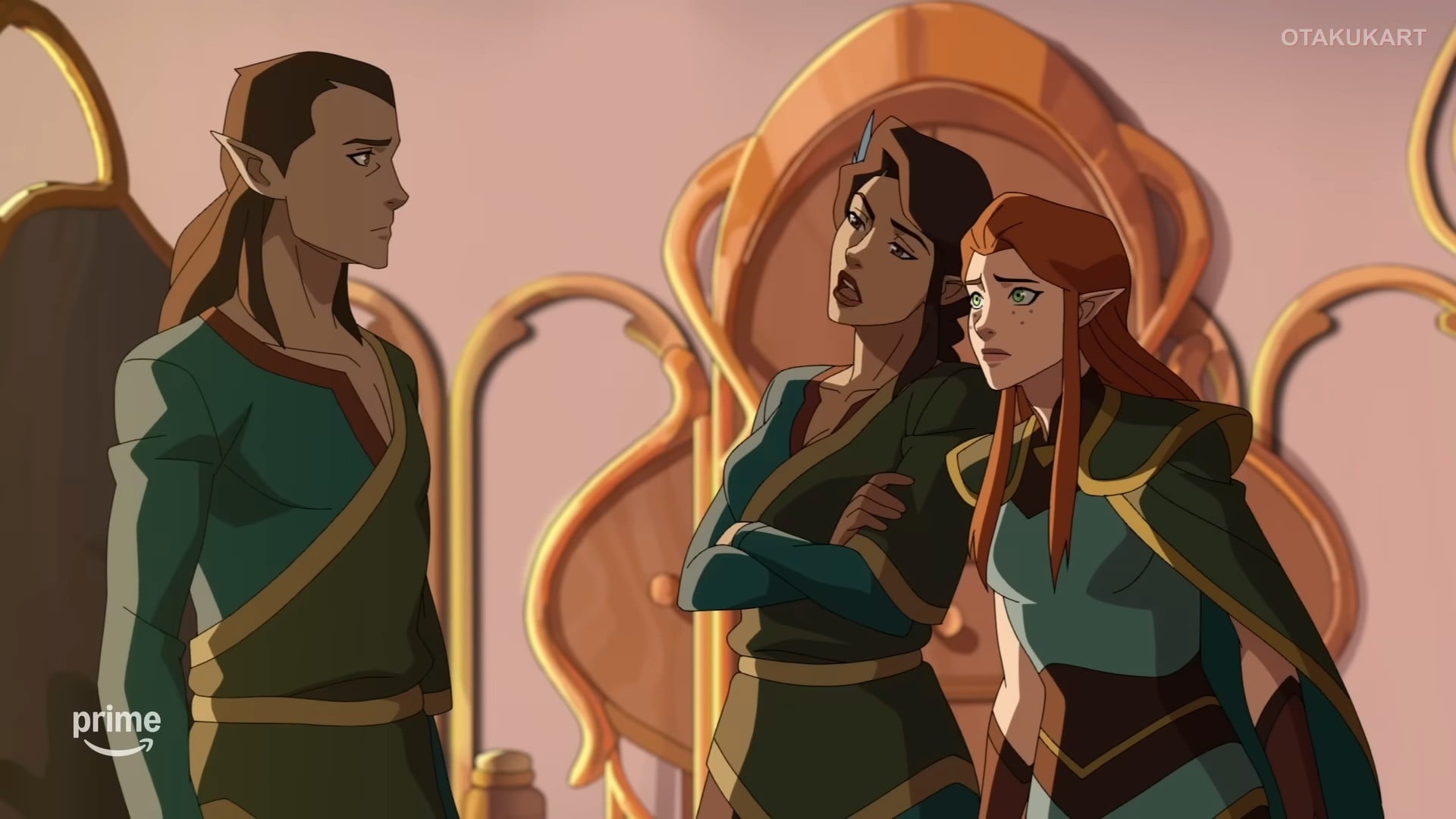
His character initially comes across as comic relief—a wealthy fanboy desperate to prove himself—but the show quickly reveals deeper layers. His strained relationship with his father and his need for validation add emotional weight to his arc.
Wayne Brady’s performance gives Taryon an improvised feel, like the character is refusing to go along with the script and just doing his own thing.
That unpredictability becomes his strength. By Episode 4, Taryon steps up in meaningful ways, proving he’s more than just a replacement—he’s an essential part of the evolving team.
Midseason Momentum: Heists, Secrets, and Revelations
Episodes 4 through 6 mark a tonal shift, blending classic Vox Machina chaos with deeper storytelling. The narrative explores familiar tropes—a heist mission, family conflict, hidden conspiracies—but executes them with character-driven stakes.
The Cobalt Archive heist stands out as a highlight. It perfectly captures the group’s signature style: elaborate planning followed by complete disaster. Yet, beneath the humor lies crucial exposition about the Whispered One, pushing the overarching story forward.
Meanwhile, Pike’s journey becomes increasingly central. Her crisis of faith, combined with personal loss and moral uncertainty, grounds the season emotionally. Her struggles with healing—both literal and spiritual—add a layer of vulnerability that contrasts sharply with the show’s action-heavy moments.
Season 4 thrives on character development. Each member of Vox Machina faces internal conflict that mirrors the larger narrative.
Vax’s storyline is particularly compelling. His deteriorating condition and looming fate introduce a sense of urgency that permeates every scene he’s in. The idea that he may not survive the battle ahead adds emotional stakes that go beyond victory or defeat.
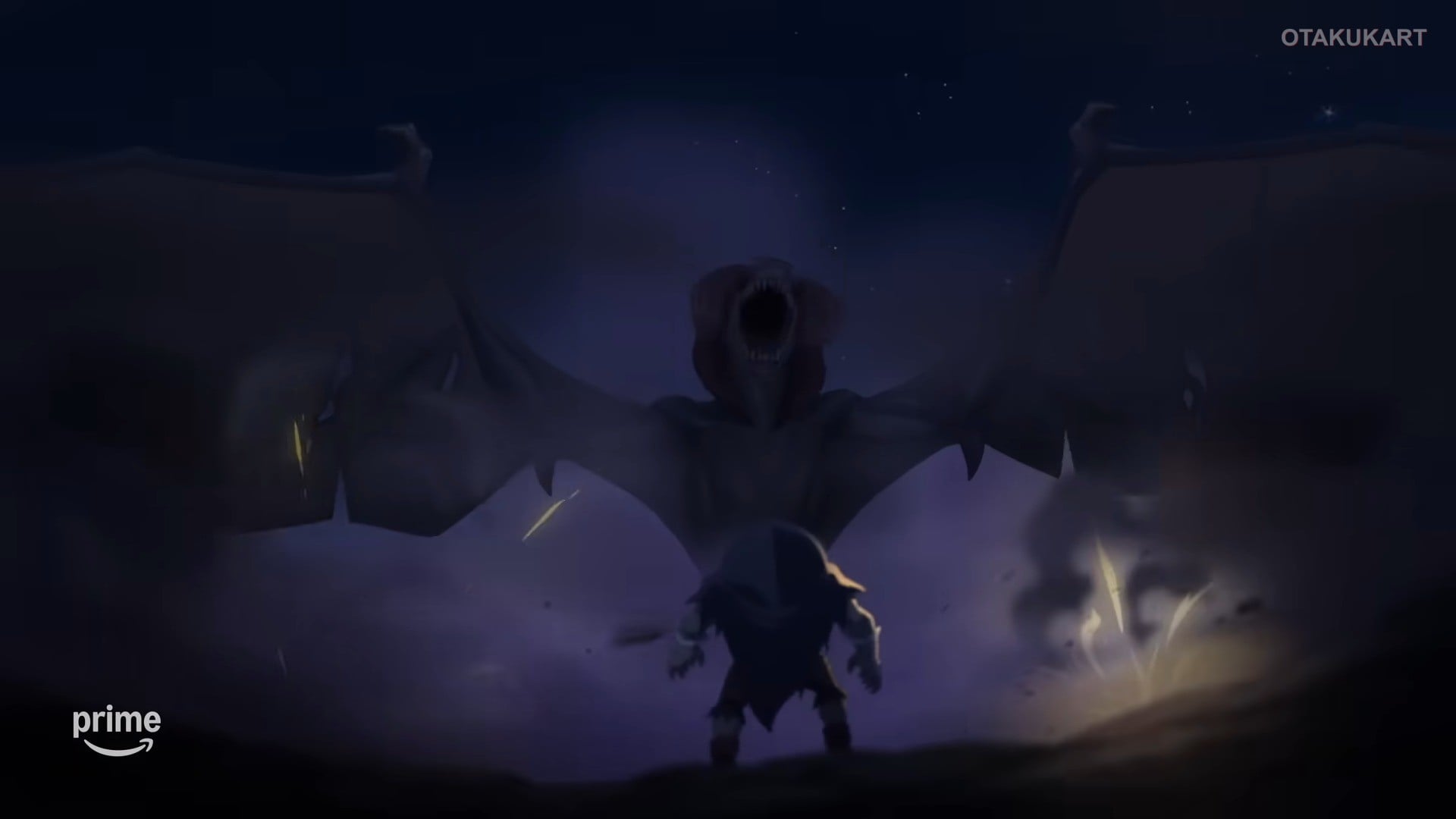
Even Delilah Briarwood returns with added depth. Her motivations, rooted in love and loss, blur the line between villainy and tragedy. By exploring her past, the show transforms her into a more complex antagonist rather than a one-dimensional threat.
Percy’s obsession with controlling the mysterious orb reflects his tendency to push boundaries, even at great personal risk. Meanwhile, Vex and Keyleth navigate trust issues, highlighting how fractured the team has become.
The Return of Scanlan and Emotional Payoff
Episode 8 delivers one of the season’s most satisfying moments—the return of Scanlan. His absence has been deeply felt, and his reintroduction brings both humor and emotional closure.
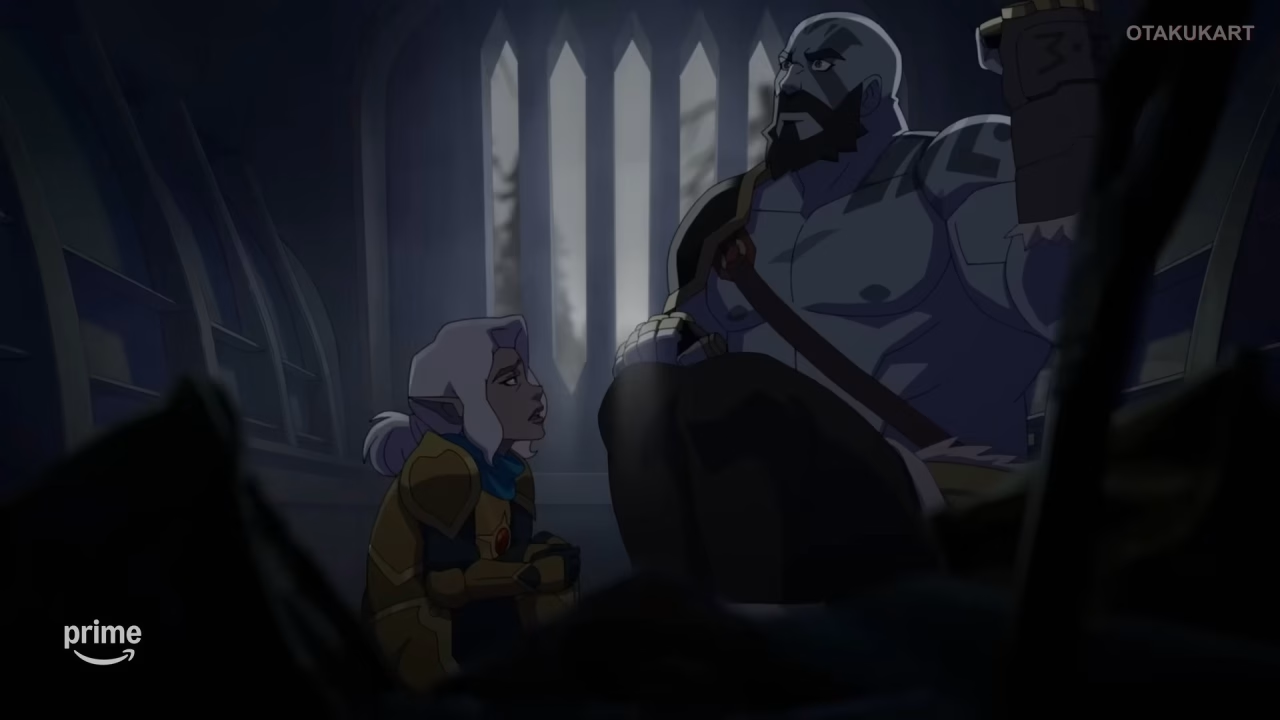
The episode explores his reluctance to return to danger, contrasting his new life with the chaos of his past. His interactions with Pike, in particular, highlight unresolved feelings and shared history.
Rather than forcing a dramatic reunion, the show allows the characters to confront their differences naturally. The result is a bittersweet but meaningful reconciliation that reinforces the theme of chosen family.
Episode 9: Chaos, Loss, and a Devastating Turn
The ninth episode marks a turning point for the season. What begins as a calculated plan quickly spirals into disaster, showcasing the consequences of poor coordination and emotional decision-making.
The battle against the cult escalates tension on multiple fronts, culminating in a surprising moment that leaves the team shattered. The apparent loss of a major character and Pike’s impulsive decision to enter the portal create a cliffhanger that feels both tragic and inevitable.
This episode encapsulates what Season 4 does best—balancing action with emotional fallout. The stakes have never felt higher, and the cost of failure is painfully clear.
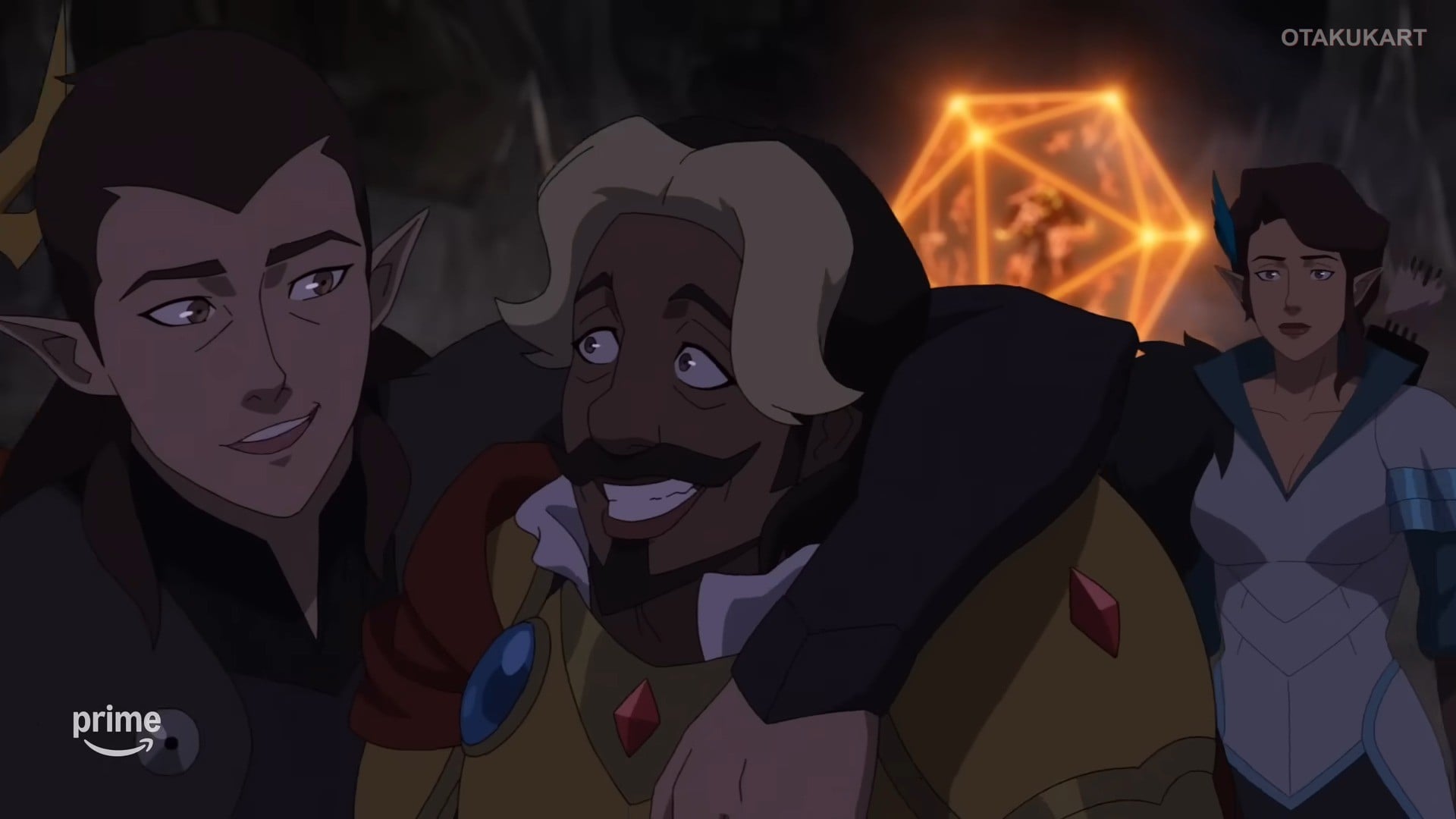
Visuals, Tone, and Minor Flaws
Visually, the series continues to impress. The animation remains dynamic, with vibrant action sequences that are easy to follow. The darker tone is reflected in the color palette and atmosphere, reinforcing the shift in storytelling.
That said, the season isn’t without flaws. Certain CGI elements feel inconsistent, and a few subplots—like some lighter comedic beats—occasionally disrupt the pacing. However, these issues are minor compared to the strength of the narrative.
The Good
- Great animation
- Strong character development
- Compelling new villain arc
- Emotional storytelling
- Balanced humor and drama
The Bad
- Inconsistent CGI in places
- Slow pacing in mid episodes
- Some underdeveloped subplots
- Occasional tonal imbalance