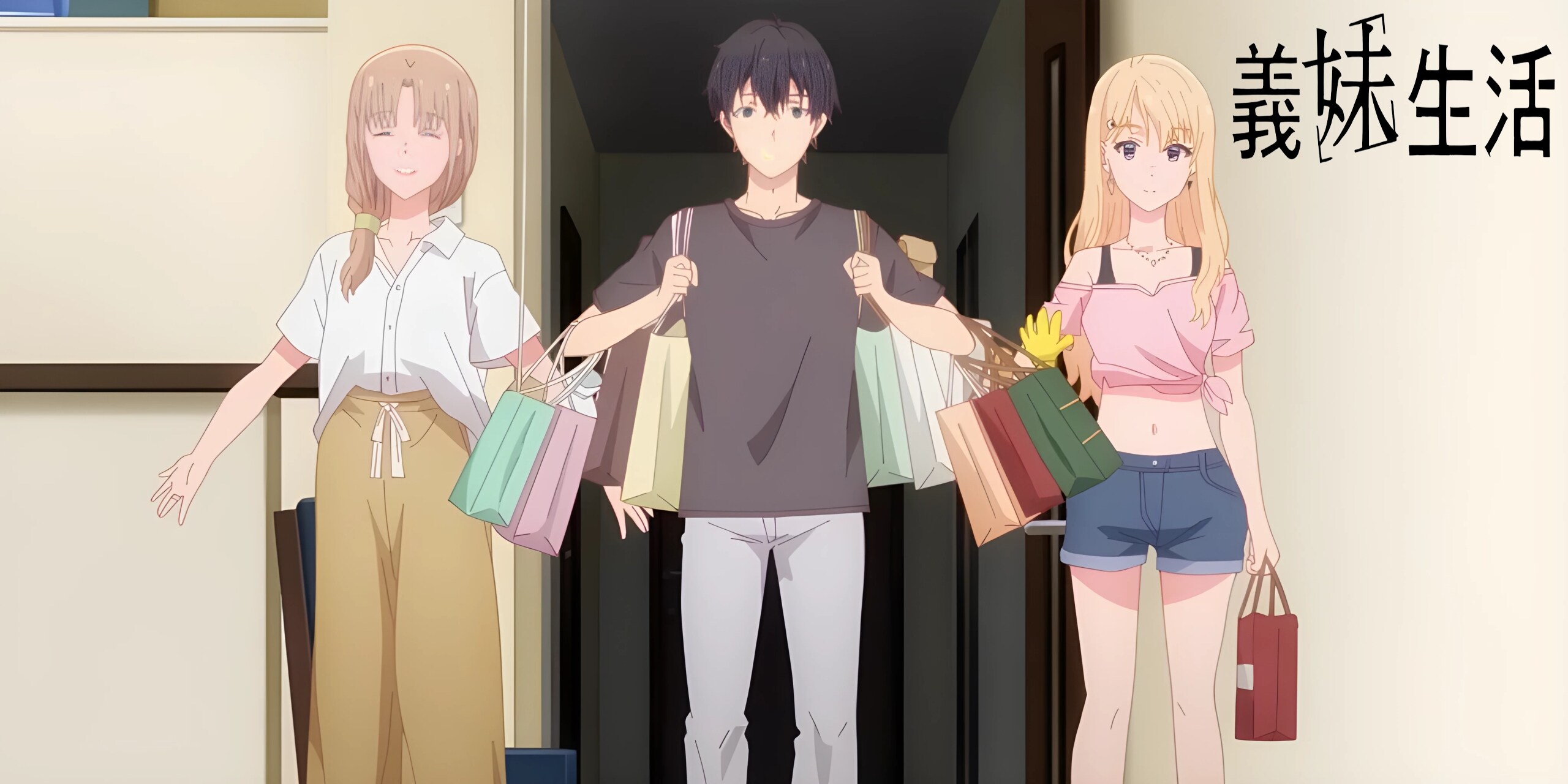
A fierce debate has erupted over the rise of AI-generated Studio Ghibli-style images, which have become a viral sensation across social media. OpenAI’s updated image generation software, part of GPT-4o, allows users to create artwork inspired by the distinct Ghibli aesthetic. However, while the trend initially seemed harmless, it has since spiraled into controversy, prompting criticism from fans, artists, and public figures alike.
The controversy stems partly from Studio Ghibli co-founder Hayao Miyazaki’s long-standing opposition to AI-generated art. Miyazaki has previously voiced disdain for artificial creativity, making the widespread use of AI to replicate his studio’s signature style particularly contentious. Despite this, the trend has gained significant traction, with images inspired by Ghibli classics like Spirited Away and My Neighbor Totoro flooding social media.
OpenAI’s Response and Public Backlash
OpenAI CEO Sam Altman confirmed that the demand for Ghibli-style images has been so high that ChatGPT’s GPUs have struggled to handle the load. He announced that OpenAI has temporarily implemented daily usage caps for free users to manage the surge. Altman’s statement emphasized that, despite the backlash, the feature remains one of the platform’s most popular offerings.
The public response, however, has been mixed. While some users have praised the tool’s ability to recreate the delicate charm of Studio Ghibli’s art, others have condemned its use in politically charged content.
https://t.co/PVdINmsHXs pic.twitter.com/Bw5YUCI2xL
— The White House (@WhiteHouse) March 27, 2025
A notable example includes a White House post featuring a Ghibli-style image of a fentanyl trafficker being arrested by ICE — a move critics labeled as “racist propaganda.” Additionally, a Bluesky post revealed an AI-generated Ghibli-style recreation of the Columbine High School massacre, intensifying public outrage.
it's super fun seeing people love images in chatgpt.
but our GPUs are melting.
we are going to temporarily introduce some rate limits while we work on making it more efficient. hopefully won't be long!
chatgpt free tier will get 3 generations per day soon.
— Sam Altman (@sama) March 27, 2025
Prominent figures have also weighed in on the debate. Evan Minto, co-founder of the manga publisher Azuki, criticized the trend for stripping Ghibli’s art of its emotional depth, reducing it to a mere aesthetic. Author Brian Merchant echoed this sentiment, highlighting Miyazaki’s disdain for AI art and arguing that the trend undermines the soul of Studio Ghibli’s creative legacy.
The Larger Implications for Art and AI
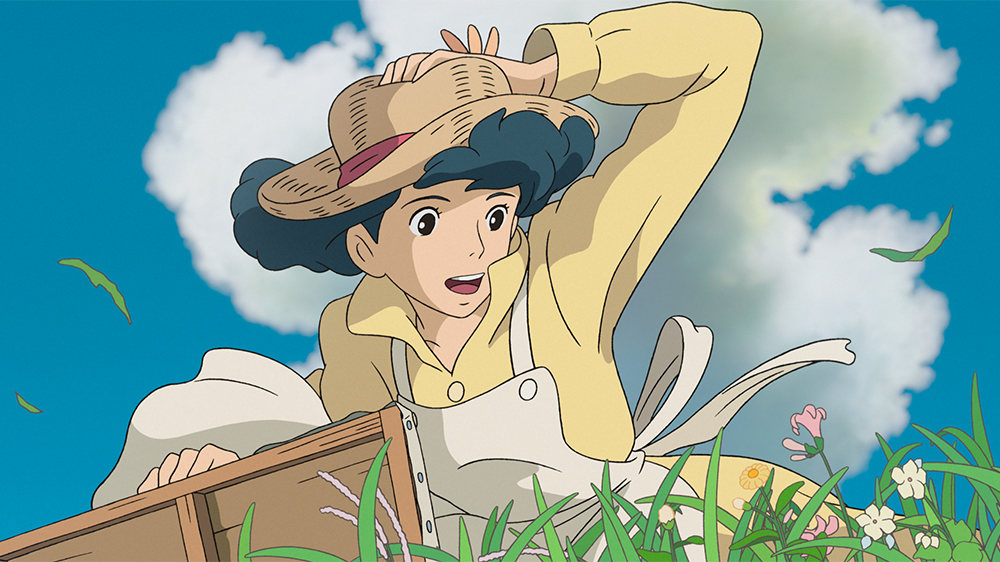
The controversy surrounding Ghibli-style AI images reflects broader tensions in the art world about the role of artificial intelligence in creative spaces. Many argue that AI-generated art lacks the emotional complexity and cultural context that define human-created works. Studio Ghibli’s films, known for their hand-drawn animation and profound themes, stand as a symbol of human artistry — something critics believe AI cannot authentically replicate.
Nonetheless, the continued popularity of the trend suggests that AI-generated art, even when divisive, holds a significant place in the evolving creative landscape. While OpenAI has not indicated any plans to discontinue the Ghibli-style generator, the public backlash raises important questions about artistic integrity, creative ownership, and the ethical use of AI-generated content.