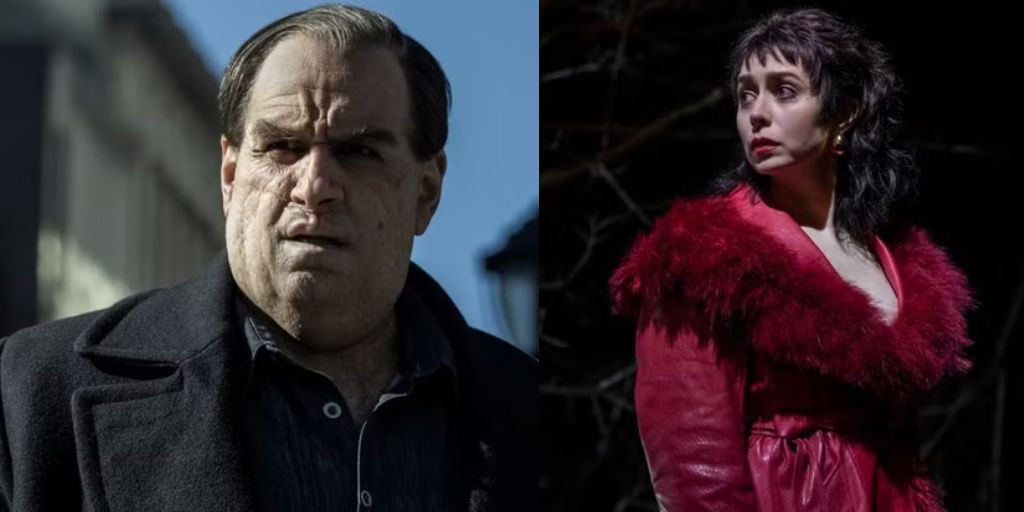
Stephen King’s The Stand has long stood as one of the author’s most ambitious novels, a sprawling tale of apocalypse, survival, and the eternal struggle between good and evil.
In 1994, a four-part miniseries adaptation brought this epic to television screens, featuring a cast that included Gary Sinise, Molly Ringwald, Rob Lowe, and Ruby Dee. For decades, the miniseries remained a cult favorite, but in 2025, it’s experiencing a major revival as it lands on Prime Video, drawing in a new generation of fans.
Streaming platforms have become the new gateway for classic horror and drama, and The Stand is a prime example. Its surge in popularity isn’t just about nostalgia; it’s also a reflection of how current events and societal fears mirror the novel’s themes.
The story centers on a world decimated by a deadly plague, with survivors forced to choose between two camps: one led by the wise and kind Mother Abigail, and the other by the sinister Randall Flagg.
The show’s return to streaming has sparked fresh discussions about its relevance in today’s world, especially as global health crises and social unrest continue to dominate headlines.
The miniseries was originally produced by ABC and aired in 1994, with Stephen King himself penning the screenplay. This ensured a close adaptation of the original novel, capturing the essence of King’s vision while making necessary changes to fit the story into a television format.
The show’s renewed popularity is not only due to its streaming availability but also because its themes, pandemic, societal collapse, and the resilience of humanity feel especially resonant in the modern era.
Faithful, Yet Flawed: How the Miniseries Compares to the Novel
Stephen King’s The Stand is a monumental work, clocking in at over 1,000 pages in its original form and even more in the expanded “unabridged” edition. The 1994 miniseries, while ambitious, had to condense this sprawling narrative into just eight hours.
King wrote the screenplay himself, ensuring that the adaptation remained true to the spirit of the novel, but some changes were inevitable to fit the story into the miniseries format.
Also Read: Sub Timing and Font Choices Draw Heat During MHA OP/ED Sequences
The miniseries follows the novel’s core plot: a deadly plague known as “Captain Trips” wipes out most of the world’s population, leaving the survivors to navigate a shattered world.
The story then splits into two main camps: Boulder, Colorado, led by the benevolent Mother Abigail, and Las Vegas, ruled by the malevolent Randall Flagg. The survivors must journey across the country to join one of these groups, leading to the ultimate confrontation between good and evil.
While the miniseries is faithful to the novel’s major plot points, it does make some notable changes. For example, the journey of Larry Underwood, a key character, is streamlined, and some subplots and characters are omitted entirely.
Certain controversial elements from the novel, such as the infamous “gun buggery” scene from the uncut edition, are left out, likely to maintain a broader audience appeal. These changes are typical for television adaptations, where time and content restrictions require some sacrifices.
Critics and fans have noted that while the miniseries is faithful, it sometimes lacks the emotional depth and pacing of the novel. The first part, which focuses on the outbreak and collapse, is widely praised for its tension and atmosphere.

However, the later episodes can feel slower and less impactful, especially compared to the novel’s intricate character development and philosophical musings. Still, the performances are strong, with Gary Sinise’s portrayal of Stu Redman and Jamey Sheridan’s Randall Flagg standing out as highlights.
Why The Stand Still Matters
The renewed attention to The Stand isn’t just about its entertainment value; it’s also about its themes. The novel and miniseries explore the duality of human nature, the fragility of civilization, and the ease with which people can be swayed by charismatic leaders, whether for good or evil.
These ideas resonate deeply in today’s world, where misinformation, polarization, and fear often drive collective action.
The miniseries also offers a look at the evolution of King’s storytelling. While some of the novel’s tropes, like the “magical negro” and “inspirationally disadvantaged” characters, have aged poorly, the core message about humanity’s capacity for both good and evil remains powerful.
The show’s success on streaming platforms is a testament to King’s enduring influence and the timeless nature of his work.
For many fans, the miniseries serves as an introduction to King’s epic storytelling. By weaving together horror, emotional depth, and thought-provoking themes, the series sets itself apart on modern streaming platforms and shows that, more than three decades after its release, Stephen King’s longest novel remains capable of gripping audiences and sparking reflection.
What’s Next for Stephen King’s Adaptations
With The Stand back in the spotlight, it’s clear that King’s stories continue to captivate audiences. Other recent adaptations, like the 2020 miniseries and new films based on The Long Walk and The Running Man, have also found success, indicating a sustained interest in King’s universe.
As streaming platforms invest in classic and new adaptations, fans can expect more opportunities to revisit and discover King’s iconic works.
For viewers interested in the roots of Stephen King’s epic storytelling, the 1994 adaptation of The Stand is essential viewing.
By combining horror, character-driven drama, and deeper philosophical themes, it distinguishes itself among today’s streaming offerings and demonstrates that, more than three decades after its release, King’s longest novel still delivers suspense and meaningful impact.