South Park’s Season 28 finale, “The Crap Out,” didn’t just wrap up a season-long arc; it redefined the show’s relationship with controversy. The episode’s centerpiece was the fate of Satan and Trump’s Antichrist baby, a storyline that had been building since Season 27.
Instead of a grand birth or apocalyptic showdown, viewers were presented with a grim revelation: the baby had taken its own life in the womb, echoing the mysterious death of Jeffrey Epstein, with missing footage from the ultrasound mirroring the gaps in the Epstein investigation.
The scene was deliberately unsettling, blending the show’s trademark shock value with a real-world reference that sent ripples through online discussions.
Trump’s jubilant reaction to the baby’s demise, dancing among his allies while Satan quietly gathered the baby’s belongings and left the White House, added layers of irony and emotional weight.
Also Read: Rumors Quashed: “Exhuma” Director Jang Jae Hyun Denies Yoo Ah In’s Casting in New Film
The episode’s creators, Trey Parker and Matt Stone, used this moment to highlight the absurdity and darkness of current events, turning a satirical device into a mirror for real political and social anxieties. This bold move was a departure from the show’s usual comedic chaos, instead opting for a more somber, yet still irreverent, tone.
Fan Reactions and the Show’s Shifting Identity
The response to the finale was as varied as South Park’s audience. Some viewers celebrated the show’s willingness to push boundaries, calling the ending a cathartic release after years of increasingly political storylines.
Others, however, expressed disappointment, feeling that the season’s buildup led to a conclusion that was more shocking than satisfying. Online forums and social media were filled with debates over whether the episode was a brave commentary or a cynical shock tactic.

The episode’s references to Epstein and the missing footage were particularly polarizing, with some praising the show for tackling difficult subjects and others criticizing it for exploiting tragedy for laughs.
Interestingly, the finale also marked a return to some classic South Park elements. The reappearance of the Woodland Critters, fan-favorite characters from earlier seasons, brought a touch of nostalgia and reminded viewers of the show’s roots in surreal, irreverent humor.
Stan’s desperate plea for a Christmas miracle and the Critters’ chaotic intervention offered a brief reprieve from the political satire, showcasing the show’s ability to balance different tones and styles.
This mix of old and new elements was seen by many as a sign that South Park was reclaiming its original spirit, even as it continued to engage with contemporary issues.
The Future of South Park and Satirical Storytelling
South Park’s Season 28 finale has sparked conversations about the future of satirical storytelling in television.
By tackling sensitive topics like political extremism, conspiracy theories, and real-world scandals, the show has positioned itself as both a mirror and a provocateur, reflecting the complexities of modern society while challenging viewers to think critically about the world around them.
The creators’ decision to end the season on such a dark note has raised questions about the limits of satire and the responsibilities of comedians in an era of heightened political polarization.
Looking ahead, South Park’s ability to adapt and evolve will be crucial to its continued relevance. The show has always thrived on its willingness to take risks, but the Season 28 finale demonstrated that those risks can come with significant rewards and consequences.
As South Park prepares for its next season, fans will be watching closely to see how the show balances its commitment to bold satire with its responsibility to its audience.
South Park’s Season 28 finale was a bold, controversial, and ultimately memorable conclusion to a season that pushed the boundaries of television satire. By blending outrageous humor with pointed political commentary, the show reaffirmed its status as a cultural touchstone and a fearless voice in entertainment.
Also Read: Culinary Class Wars Season 2: Higher Stakes, New Twists, and the Return of the “Dopamine” Surge
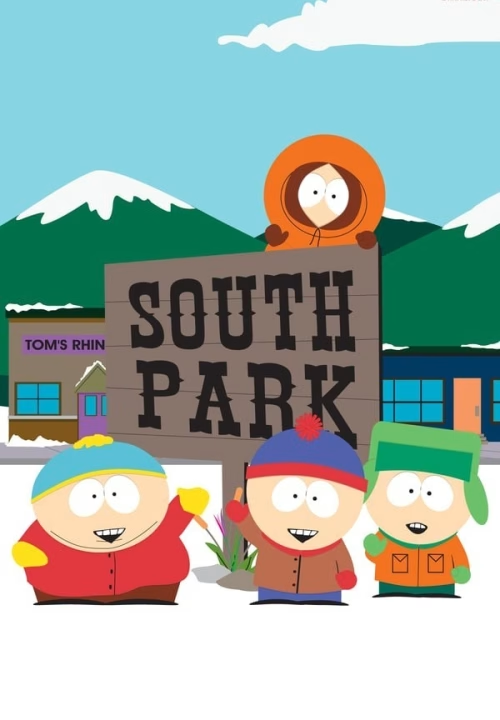
| Premiere Date | August 13, 1997 |
|---|---|
| Network / Service | Comedy Central; Paramount+ |
| Creator | Trey Parker; Matt Stone; Brian Graden |