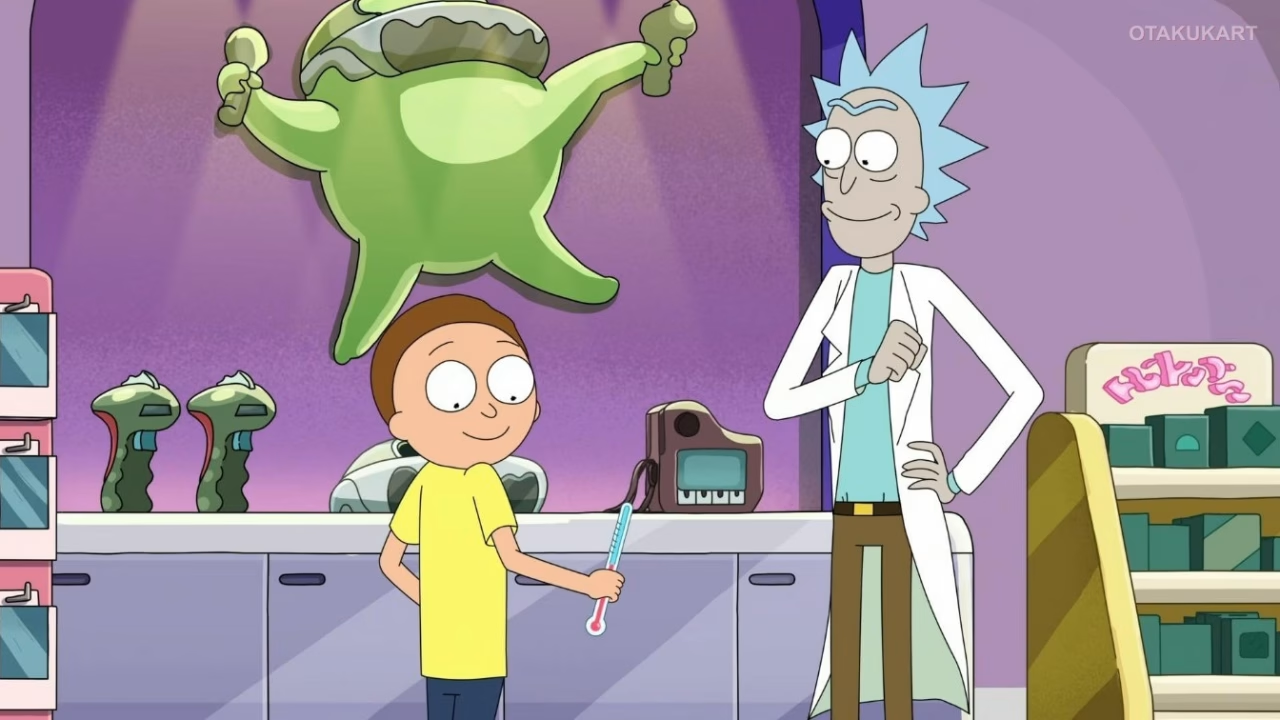
With only a handful of episodes remaining, Rick and Morty Season 9 continues raising the emotional stakes in “Rickuiem Mort a Dream.” While the episode borrows visual and thematic inspiration from psychological addiction dramas, it ultimately becomes something far more personal. Instead of focusing on an external threat, Episode 8 turns its attention toward the increasingly fractured relationship between Rick and Morty, exposing wounds that have quietly been building throughout the season.
The result is one of Season 9’s most uncomfortable episodes—not because of graphic violence or disturbing imagery, but because of how honestly it portrays Rick’s emotional cruelty and Morty’s growing exhaustion. Despite the usual sci-fi chaos and absurd comedy, this chapter leaves a lasting emotional impact that few Rick and Morty episodes manage to achieve.
Rick’s harshest words become the episode’s biggest turning point
The story begins with what should have been an ordinary day.
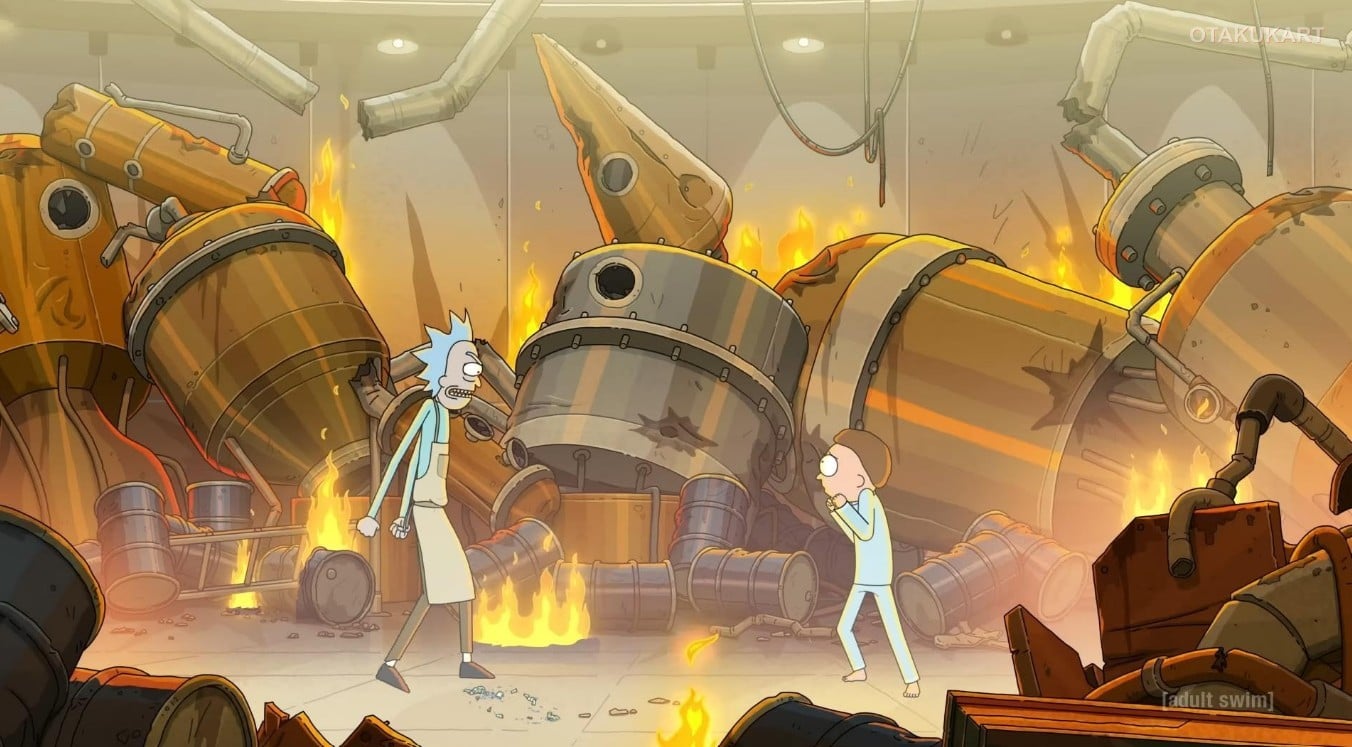
Rick is happily preparing alcohol in his laboratory when Morty accidentally destroys his entire distillery while asking for a ride to buy Pokémon cards. What follows is one of the coldest exchanges between the two characters in recent memory.
Rick reveals that he has literally charted his happiness against Morty’s presence and bluntly tells his grandson that the two have never overlapped.
It’s an incredibly cruel moment.
Unlike many of Rick’s insults, this one isn’t delivered as a joke or sarcastic exaggeration. It feels deliberate, deeply personal, and immediately establishes the darker tone that carries through the rest of the episode.
Even Rick appears to recognize that he crossed a line, but instead of apologizing immediately, he attempts to solve the situation the only way he knows how—with science.
The empathy parasite creates fascinating character development
Rick convinces Morty to compete in an intergalactic dance competition by implanting an alien parasite known as Sympathin, a creature that dramatically amplifies empathy.
Initially, the concept creates plenty of comedic moments.
Morty’s overwhelming compassion transforms him into someone capable of connecting with nearly everyone around him, making his dance competition surprisingly entertaining while highlighting just how emotionally different he becomes.
However, the parasite quickly reveals a much darker purpose.
Rather than simply increasing empathy, it slowly begins consuming Morty’s identity. Watching him struggle between genuine compassion and losing himself creates one of the season’s strongest emotional conflicts.
Perhaps the episode’s most unsettling scene arrives when Rick forcibly removes the parasite from Morty’s ear. The sequence is genuinely disturbing, but it also symbolizes Rick’s tendency to fix emotional problems through painful shortcuts instead of honest communication.
Jerry unexpectedly shines once again
While Rick and Morty drive the emotional narrative, the B-story belongs entirely to Jerry.
What starts as a routine shopping trip with Summer unexpectedly transforms into a tense hostage situation involving a serial killer and several suspicious industrial barrels.
Jerry’s solution is hilariously absurd.
Pretending to be an even more terrifying serial killer called the Birthday Killer, he slowly convinces the actual murderer that he’s dealing with someone far more dangerous than himself.
It’s one of Jerry’s funniest moments this season.
More importantly, it also demonstrates how much the character has grown over the years. Earlier versions of Jerry would have completely fallen apart under pressure. Here, despite obvious panic, he manages to improvise well enough to outsmart someone genuinely dangerous.
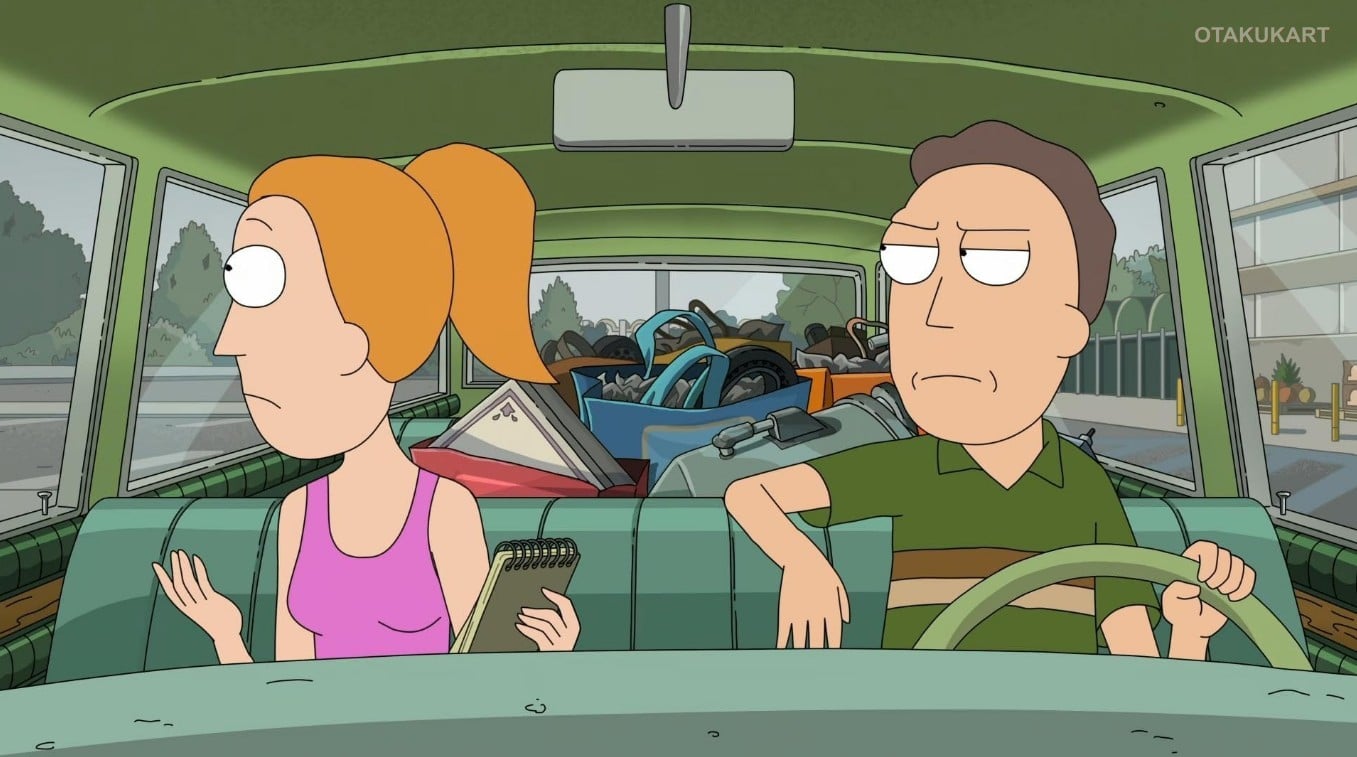
Summer also receives several memorable moments, although the episode subtly hints that she’s becoming increasingly influenced by Rick’s more cynical worldview.
Rick and Morty’s relationship reaches another emotional low
The final act shifts entirely toward Rick and Morty’s complicated bond.
After removing the empathy parasite, Rick briefly experiences its emotional effects himself.
For perhaps the first time all season, he genuinely understands how deeply his words have hurt Morty.
Rather than hiding behind sarcasm, Rick offers a sincere apology and even replaces the Pokémon cards Morty originally wanted.
Normally, that gesture would have resolved the conflict.
Instead, the episode wisely avoids an easy emotional reset.
Morty quietly admits that he wishes he could enjoy the gift but simply can’t anymore.
It’s a heartbreaking ending because it acknowledges an uncomfortable truth: apologies don’t immediately erase emotional damage.
Season 9 has repeatedly explored Rick’s attempts to become a better person, but Episode 8 reminds viewers that growth often comes too late to prevent lasting consequences.
A subtle ending raises intriguing questions
The post-credit sequence adds another fascinating layer.
Earlier in the episode, Morty appears to empathize deeply with one of his teachers while under the parasite’s influence. However, the final scene subtly changes that memory, implying not everything Morty experienced was entirely genuine.
Whether this serves as setup for future episodes or simply reinforces the ambiguity surrounding the parasite remains unclear.
Either way, it leaves viewers with one final unsettling question just before the season enters its closing stretch.
“Rickuiem Mort a Dream” is among the strongest and emotionally richest episodes of Rick and Morty Season 9. It combines inventive science-fiction concepts with brutally honest character writing, forcing Rick to confront the damage his behavior continues to inflict on Morty.
Jerry’s excellent subplot balances the darker material with genuine comedy, while the episode’s final moments refuse to offer easy emotional closure. It’s a painful, thoughtful, and remarkably mature chapter that continues Season 9’s impressive run of character-focused storytelling.
The Good
- Outstanding emotional development for Rick and Morty.
- Clever empathy parasite concept with meaningful payoff.
- Jerry's subplot is both hilarious and surprisingly effective.
- Excellent balance between dark drama and absurd comedy.
- Powerful ending that avoids an easy emotional resolution.
The Bad
- Some viewers may find the darker tone emotionally exhausting.
- Summer's subplot could have been explored further.
- The post-credit tease remains intentionally ambiguous.
- Less action-focused than several previous Season 9 episodes.
| Premiere Date | December 2, 2013 |
|---|---|
| Network / Service | Adult Swim |
| Creator | Dan Harmon, Justin Roiland |