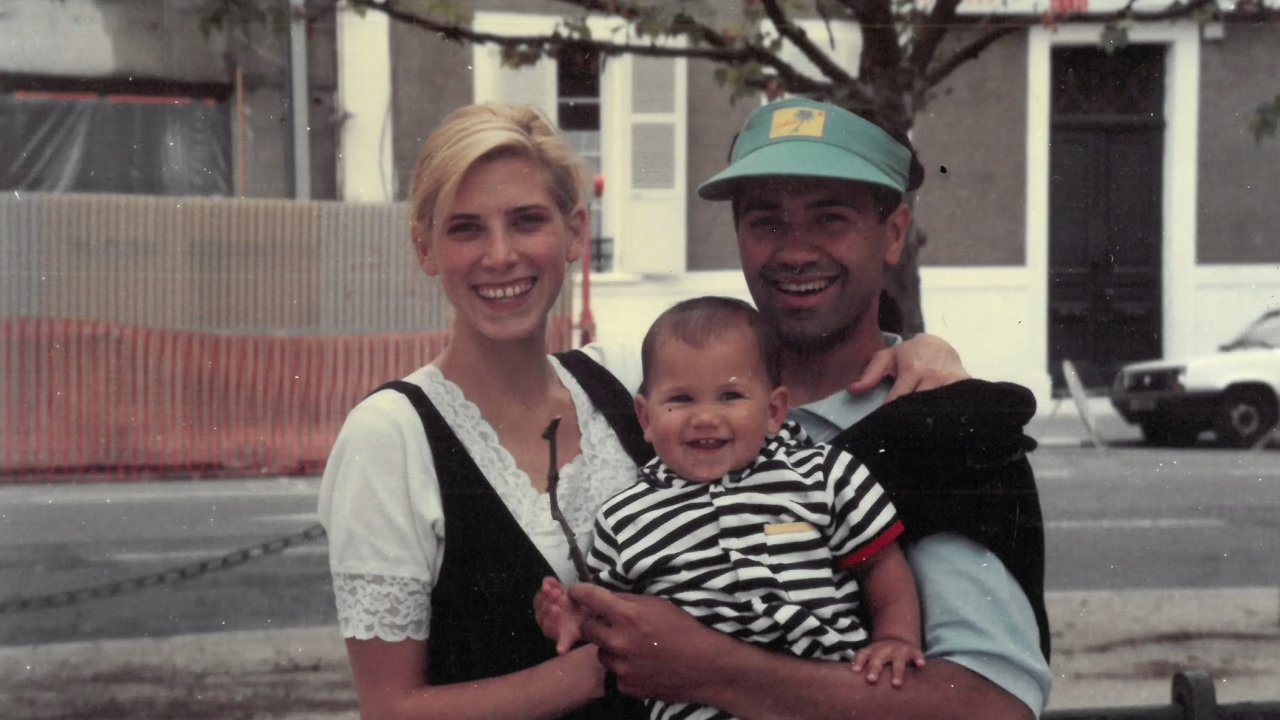
The release of The Murder of Rachel Nickell on Netflix has brought renewed attention to one of the most disturbing true crime cases in British history. The story of Rachel Nickell is not only defined by the brutality of her killing, but also by the major investigative failures that followed. For many viewers, the case stands as a chilling reminder of how justice can be delayed when authorities pursue the wrong suspect.
What makes this case especially haunting is the combination of a horrific crime, a wrongful arrest, and a long 16-year delay before the real killer was identified. The Netflix documentary revisits these events using firsthand accounts and archival details, helping audiences understand both the tragedy and its aftermath. Here’s a clear breakdown of what actually happened and why the case still resonates today.
Who Was Rachel Nickell?
Rachel Nickell was a 23-year-old mother living in London with her partner Andre Hanscombe and their young son Alex. She was widely described as kind, caring, and deeply devoted to helping others, having volunteered with the elderly and worked with disabled children. At the time of her death, she was also pursuing her passion for dance and building a future with her family.
On July 15, 1992, Rachel went for a walk on Wimbledon Common with her two-year-old son and their dog. It was a normal summer morning during a heatwave, and the area was known as a peaceful public space. Tragically, she never returned home, and what happened that day would shock the entire nation.
Wimbledon Common was a popular location filled with families, joggers, and dog walkers, making the attack even more surprising. Rachel and her son walked into a quieter part of the area when they were suddenly confronted by an attacker. The man first targeted her child, throwing him to the ground in an attempt to separate him from his mother.
Rachel instinctively tried to protect her son, which led to a brutal assault. She was stabbed dozens of times and sexually assaulted, leaving the nation horrified by the level of violence. In a heartbreaking moment, her young son remained beside her, trying to wake her after the attack, highlighting the emotional weight of the tragedy.
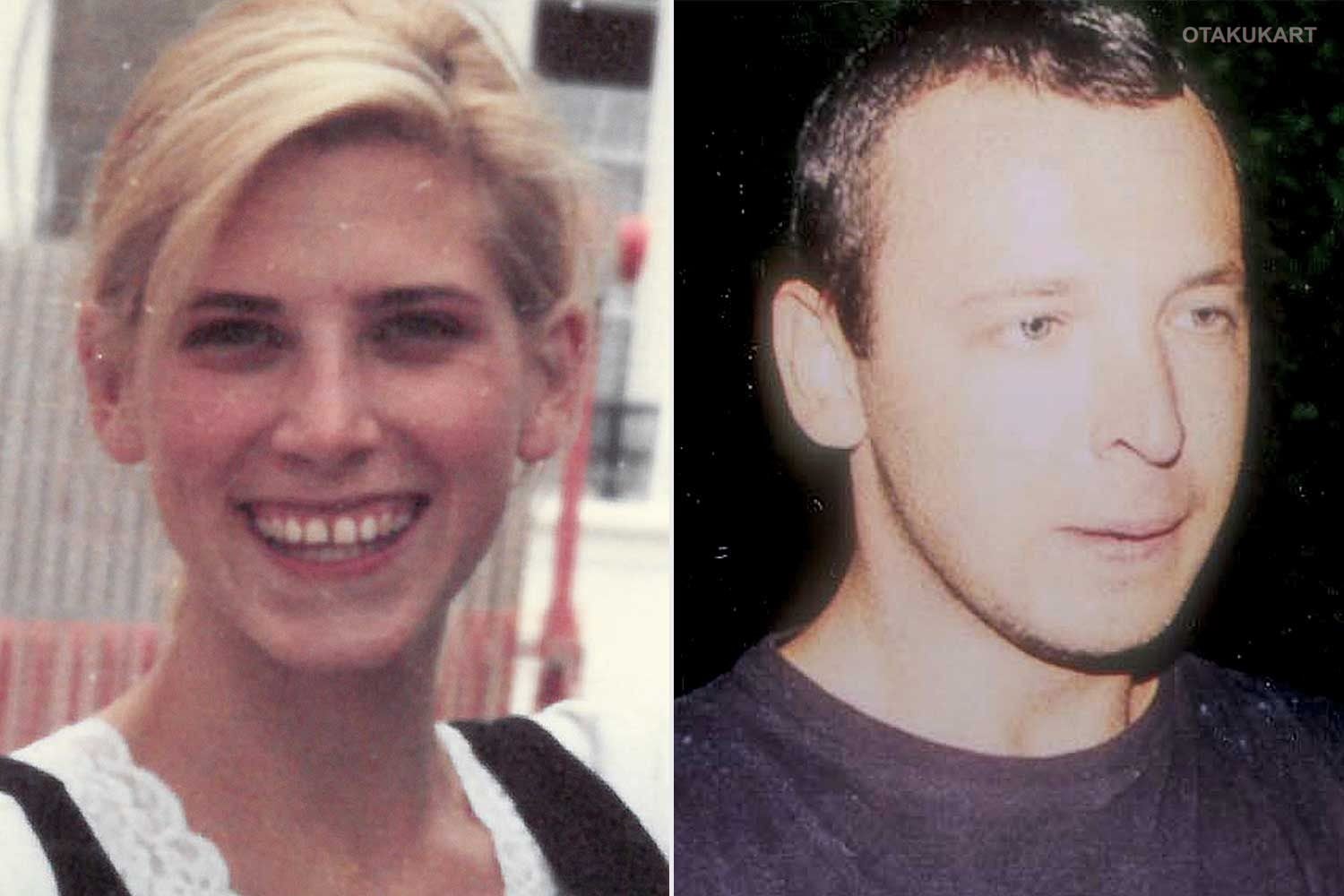
The Wrongful Arrest of Colin Stagg
Under intense pressure to solve the case, investigators turned to psychological profiling, which led them to Colin Stagg. Despite a lack of physical evidence, police focused heavily on him due to his lifestyle and interests, which matched parts of the profile. This decision marked the beginning of one of the most controversial investigations in UK history.
An undercover operation was launched in which an officer built a relationship with Colin to try to extract a confession. Over months of communication, he consistently denied any involvement in the crime. When the case went to court, it quickly collapsed due to the absence of evidence and the questionable tactics used during the investigation.
Colin spent over a year in prison before being cleared, and the judge strongly criticized the police approach. He was later awarded compensation for the wrongful accusation, highlighting the scale of the investigative failure.
The Real Killer: Robert Napper
While police focused on the wrong suspect, a violent offender named Robert Napper was committing multiple attacks across South London. He was linked to a series of violent assaults known as the Green Chain attacks and had already shown a pattern of extreme behavior. Despite warning signs, crucial information about him was not properly followed up.
In 1993, Robert committed another horrific crime, killing a mother and her young daughter in their home. Evidence from that case clearly connected him to violent acts, yet his link to Rachel Nickell’s murder was still not established at the time. It would take advancements in DNA technology years later to finally connect him to the Wimbledon Common attack.
In 2007, new forensic analysis confirmed his involvement, and he was formally charged. In 2008, more than 16 years after Rachel’s death, Robert admitted responsibility for her killing.
The Aftermath and Lasting Impact
Following Rachel’s murder, her partner Andre and their son Alex left the UK to escape media attention and rebuild their lives. The trauma of the event had a lasting impact, especially on Alex, who witnessed the aftermath as a child. Over time, both worked to process their grief and move forward.
Andre later publicly apologized to Colin Stagg after initially believing he was guilty, showing how deeply the flawed investigation affected multiple lives. The case also led to widespread criticism of police practices and highlighted the dangers of relying too heavily on profiling without evidence.
Today, the Rachel Nickell case remains a powerful example of delayed justice and investigative error. The Netflix documentary brings renewed focus to the story, ensuring that both the victim and the lessons learned are not forgotten.