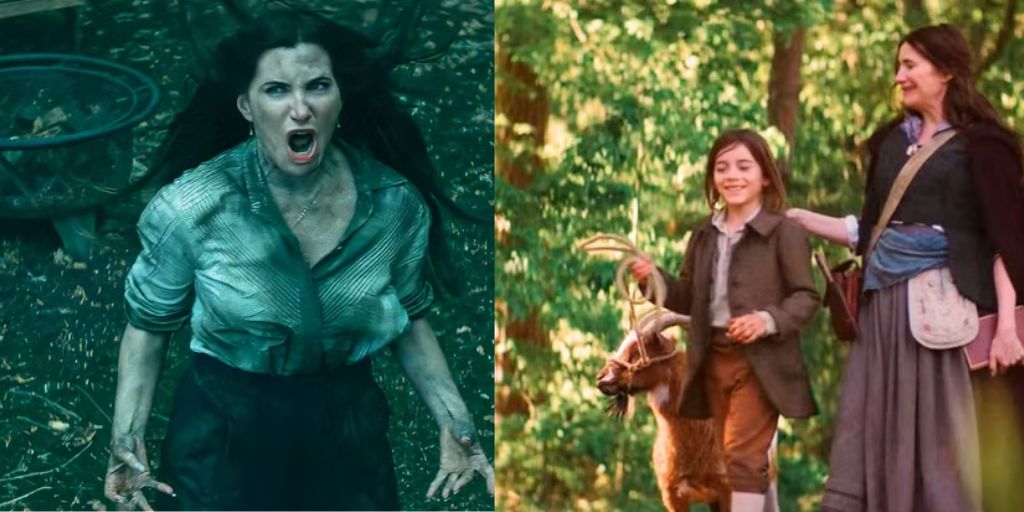
Episode 5 of Pluribus, titled “Got Milk,” centers on Carol’s relentless pursuit of answers about the hive mind’s mysterious consumption habits. After noticing that every recycling bin in Albuquerque is filled with milk cartons, Carol traces the source to a local dairy facility.
What she finds inside the factory’s cold storage is left ambiguous, but her horrified reaction strongly suggests she has discovered human remains.
This moment is widely interpreted as a direct nod to the classic sci-fi twist of “Soylent Green,” where the secret ingredient is revealed to be something far more disturbing than anyone expected.
The discovery of these remains could mean the hive mind is using dead humans to produce the strange yellow liquid consumed from milk cartons, fueling their collective consciousness and survival. The hive’s actions are not driven by malice but by necessity, as the show establishes that the hive mind cannot intentionally harm even a fly.
Instead, it operates under a “waste not, want not” philosophy, recycling nutrients from those who have died naturally or from causes linked to Carol’s outbursts. This approach reflects a cold, procedural logic that prioritizes survival and efficiency over ethical boundaries, forcing viewers to reconsider the hive’s true nature.
The episode also delves into the scientific implications of the hive’s biohacking. The process of converting human remains into a nutrient base for the hive is presented as a horrifying yet rational solution in a world where resources are scarce, and the collective must endure.
This mirrors real-world trends in biohacking, where some individuals seek to maximize health and longevity by optimizing food intake and minimizing waste.
However, Pluribus takes this concept to a disturbing extreme, suggesting that the hive’s version of biohacking involves the consumption of human flesh to sustain itself and evolve the virus that enables assimilation.
Why the Hive Abandoned Carol
After Carol’s aggressive interrogation of Zosia and her attempt to force the truth about reversing the infection, the hive mind decides to cut her off entirely. They leave Albuquerque and communicate with her only through drones and recorded messages, stating they “just need a little space.
This isolation is both a physical and emotional punishment, highlighting how Carol’s paranoia and refusal to conform make her a threat to the hive’s stability.
The hive’s decision to abandon Carol underscores a central theme of the series: the tension between individuality and collective safety. By removing Carol from direct contact, the hive demonstrates its ability to protect itself from emotional and existential threats, even if it means sacrificing connection and empathy.

This act of social deletion at a planetary scale is chilling, as it shows the hive’s willingness to erase an individual from their community to maintain harmony.
Carol’s motivations are complex and often selfish, driven by grief, rage, and a desperate need for control in a world that has stripped her of autonomy. Her actions, while understandable, make her a target for the hive, which values emotional stability and collective well-being above individual desires.
The hive’s response to Carol’s outbursts is not punitive but protective, as they seek to distance themselves from her emotional volatility to ensure their survival.
What’s Next for Pluribus
With Carol now alone and the hive’s true nature exposed, the stage is set for a dramatic escalation in the conflict between individual survival and collective assimilation. Theories abound about what the hive might do next: will they attempt to silence Carol for good, or will her discovery inspire other immune individuals to resist?
The ambiguous ending leaves viewers wondering whether Carol’s paranoia is her greatest weakness or her only real strength in a world where happiness is enforced, and dissent is erased.
The show’s creators have hinted that Episode 6 will explore the fallout of Carol’s discovery, potentially leading to alliances among the immune and a deeper investigation into the hive’s origins. As the series progresses, the stakes grow higher, and the true horror of the hive mind’s existence becomes clearer.
The hive’s ability to adapt and evolve, using the unique genetic rhythms of immune individuals to engineer new viruses, suggests a terrifying future where the line between human and hive blurs even further.
Pluribus Episode 5 is a turning point that redefines the series, blending psychological horror with sci-fi mystery and leaving audiences eager for answers. Carol’s journey from isolated skeptic to reluctant hero is both compelling and terrifying, and her discovery could be the key to unraveling the hive mind’s darkest secrets.
As the series unfolds, viewers are forced to confront difficult questions about identity, survival, and the cost of happiness in a world where the hive mind reigns supreme.
Also Read: Actor Lee Jung Ha Confirmed for Mandatory Military Service, Will Enlist in the Marine Corps