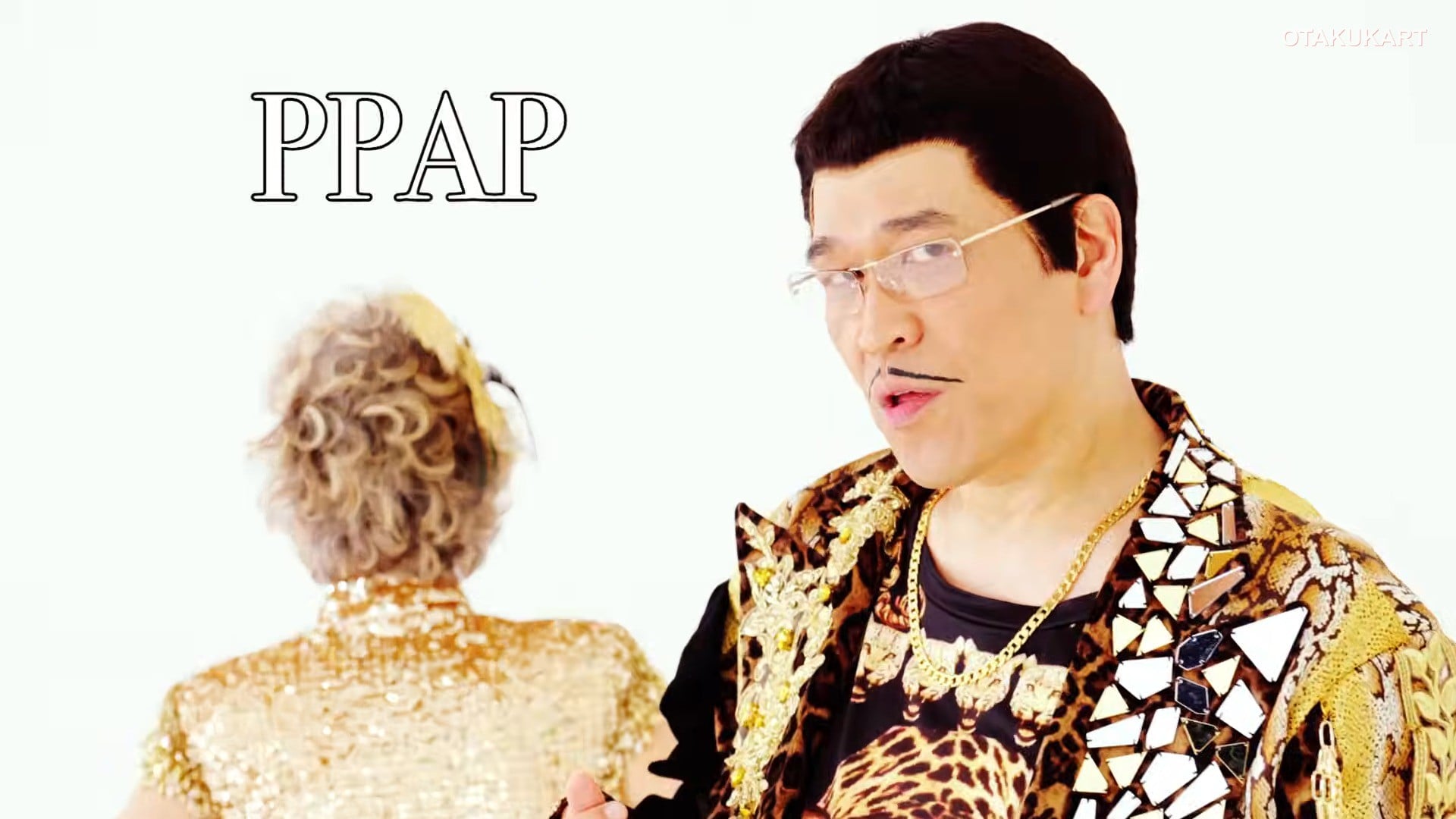
The unpredictable world of PIKOTARO has taken another bizarre turn, as the viral sensation returns with a new single, “Koi no Sharock PPAP feat. Mie Nakao.” Released on May 15 at midnight local time, the track reimagines a 1968 Japanese pop classic through the signature chaos that made “PPAP (Pen-Pineapple-Apple-Pen)” a global phenomenon.
This latest release is part of PIKOTARO’s ongoing Tottemo Release 80.8 project, a monthly rollout leading up to the 10th anniversary of “PPAP” in 2026. By blending nostalgia with absurd humor, the new track continues to expand the eccentric universe that has defined his music career.
A 1968 Classic Reimagined Through “PPAP” Energy
At the center of the release is “Koi no Sharock PPAP feat. Mie Nakao,” a playful reinterpretation of the original song “Koi no Sharock” by Mie Nakao. The collaboration bridges decades of Japanese pop culture, transforming a kayōkyoku-era track into something entirely new.
Rather than simply covering the song, PIKOTARO injects his trademark style into it, reshaping its structure with repetitive hooks, comedic timing, and exaggerated delivery. The result is a track that feels both nostalgic and completely offbeat, capturing the essence of two very different musical eras colliding.
Producer Daimaou Kosaka even joked about the concept, questioning whether the “PPAP” dance might have already existed decades ago. He described the collaboration as something that feels both familiar and entirely new, as if two artists were “combining” across time.
Music Video Brings Two Eras Together
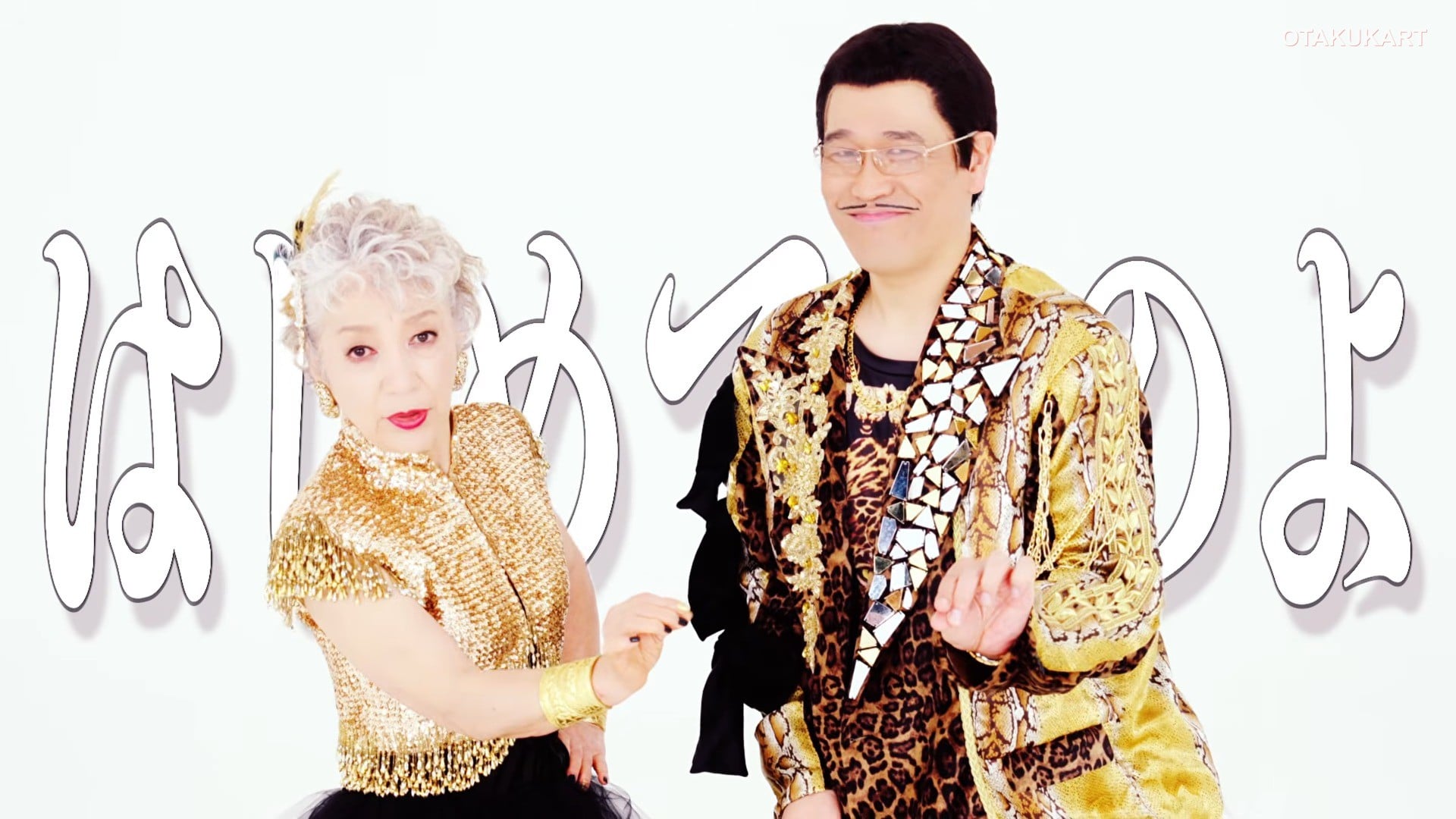
The music video for “Koi no Sharock PPAP” takes the concept even further, blending choreography inspired by the original 1968 track with PIKOTARO’s signature dance style. The visuals playfully suggest that the roots of “PPAP” might trace back further than expected, creating a surreal narrative that mixes past and present.
This unusual pairing results in a performance that feels both nostalgic and absurd. The choreography highlights the similarities between the two styles, reinforcing the idea that music trends often circle back in unexpected ways. At the same time, PIKOTARO’s exaggerated expressions and comedic energy ensure the video remains firmly in his signature style.
Mie Nakao herself shared her surprise at the project, revealing that the idea first came up during a television appearance. She noted that when they tried combining the choreography, “it matched perfectly,” adding that she never expected the song to resurface after nearly six decades.
Expanding the “Tottemo Release 80.8” Project
Beyond the lead track, the release includes “We Love 808,” a song dedicated to the iconic Roland TR-808 drum machine. Known for its influence on modern music, the 808 becomes a central theme in PIKOTARO’s ongoing project, reflected in both the title and sound of the series.
The release also continues his long-running “Prefecture Songs” concept, this time focusing on Japan’s Shikoku region. These tracks transform local culture and geography into humorous musical sketches, maintaining the playful tone that defines his work.
Speaking about the Shikoku-themed songs, Daimaou Kosaka described them as “very pop” while joking about their slightly longer runtime. PIKOTARO added his own comedic touch, emphasizing the warmth and natural beauty of the region while humorously acknowledging that not everyone may take his words seriously.
PIKOTARO’s Legacy of Viral Creativity
PIKOTARO first gained worldwide attention in 2016 with “PPAP,” a short and quirky song that quickly went viral. The track was widely shared by celebrities and covered by major outlets, eventually earning a place on the U.S. Billboard Hot 100. It also set a Guinness World Record as the shortest song ever to chart on the ranking.
Since then, he has continued to experiment with unconventional ideas, building a career around unpredictability and humor. His latest release continues that tradition, proving that even decades-old material can be transformed into something fresh with the right creative approach.
With “Koi no Sharock PPAP feat. Mie Nakao,” PIKOTARO once again blurs the line between parody and genuine musical tribute. By combining past and present in such an unexpected way, the track stands as a reminder of his unique ability to turn even the most unlikely concepts into something memorable.