The pilot of HBO’s “It: Welcome to Derry” wastes no time in setting a relentless, unnerving tone, eschewing the safer, slow-burn openings of typical horror reboots.
Adapted from Stephen King’s universe, but crafted by Andy and Barbara Muschietti, and showrunners Jason Fuchs and Brad Caleb Kane, this debut episode pulls viewers straight into a world where terror feels immediate and unavoidable.
Rather than simply building up to the looming threat of Pennywise, the narrative focuses on a close-knit group of children and adults whose lives unravel when Matty, a troubled adolescent, vanishes.
The episode leverages classic King horror elements, subtle town secrets, supernatural whispers, and gaslighting by grown-ups while also throwing fresh narrative punches. Lilly, one of the children, soon hears Matty’s voice haunting her through the pipes, but few believe her anxious claims.
For viewers, the dread escalates when details such as bloodied fingers and nightmare-inducing lampshade apparitions transform what might have been run-of-the-mill scares into unforgettable trauma.
Teddy, in particular, is targeted by visions that echo generational cruelty and historical horrors, bringing social subtext into the supernatural chaos.
This isn’t the slow-burning town of “Stranger Things”; the carnage starts early. By the finale, multiple child characters are gruesomely dispatched, in stark contrast to traditional ensemble shows that treat young protagonists as untouchable.
Critics and fans alike were stunned, with social platforms quickly alight with shouts and horror-struck GIFs. For long-time King fans who grew up with the novel’s brutality, this pilot finally matches the merciless energy that many felt had been softened in earlier film adaptations.
Behind the Blood: Layers of Trauma, Nostalgia, and Social Critique
“Welcome to Derry” isn’t just gore for the sake of shock. The show dives into the traumas woven through King’s work and American history, using the Hanlon family to anchor the narrative in the 1960s, a period rife with both social change and underlying repression.
Leroy Hanlon, a Korean War veteran and relative of the beloved Mike Hanlon from the original “It,” brings a fresh but familiar perspective. The Hanlon family’s struggle to fit into Derry is upended not only by supernatural violence but by the chilling prejudice and town-wide denial that keep evil hidden in plain sight.

Scenes that nod to real-world horrors, such as Teddy’s reflection on his family’s escape from Nazi concentration camps, ground the otherwise fantastical story in authentic pain and inherited anxiety.
The show’s unflinching depiction of these traumas underlines the core message: evil is not just supernatural, it’s often societal, historical, and persistent.
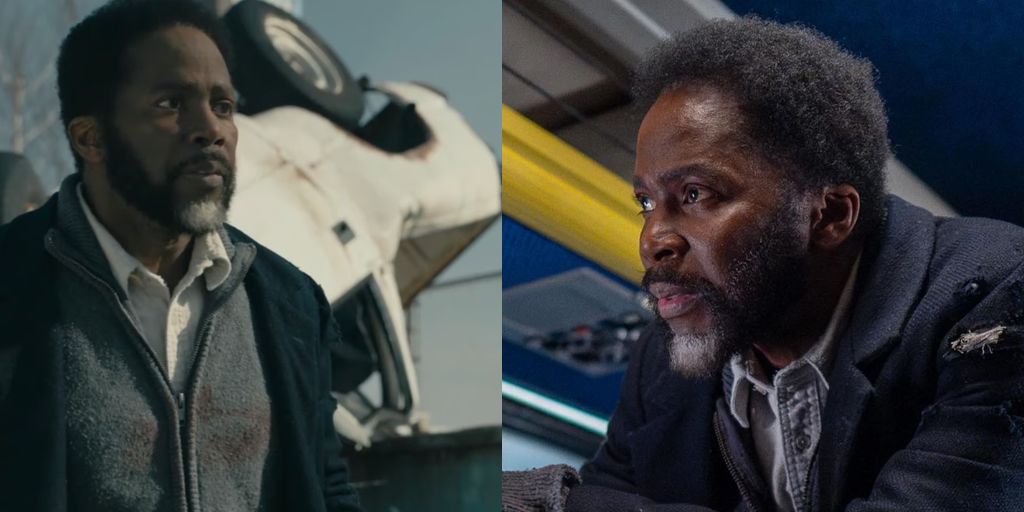
Performances are another standout. Jovan Adepo, Taylour Paige, and Chris Chalk deliver emotionally charged roles that surpass mere genre expectations. The children’s terror and mourning feel genuinely harrowing; adults’ disbelief and resignation add depth to the usual “kids versus evil” formula.
Even the inclusion of Dick Halloran, a familiar face from “The Shining,” hints at a broader King “multiverse” while layering more emotional resonance.
The production design, retro score, and muted color palette also amplify the period setting. Derry is not just spooky; it feels oppressive, nostalgic, and eerily beautiful, serving as both a tribute to and a critique of small-town Americana.
Aftershocks: Fan Reactions, Franchise Ambitions, and What Lies Ahead
If the reactions on Reddit and social media are anything to go by, “Welcome to Derry” has landed with a powerful impact. Viewers were instantly taken by the pilot’s refusal to follow safe television rules, both loving and recoiling at its surprise kills and mental anguish.
The decision to invert the “Loser’s Club” trope and allow the child ensemble to suffer so early was seen as a bold narrative risk, one that set the internet ablaze with speculation about where the story can go from here.
The series’s eight-episode run promises more revelations about Pennywise’s origins, drawing on early settler myths and the Native tribe’s first encounters with the entity, offering fresh lore not explored in previous adaptations.
While Pennywise has yet to emerge on screen fully, hints and brief shadows keep the anticipation razor-sharp.
Critics such as Variety, Mashable, and Esquire have all noted that “Welcome to Derry” is outstanding, not just as horror, but as prestige television, capable of challenging viewers with provocative themes and emotional nuance.
HBO’s creative team has positioned the show to bridge the gap between Stephen King’s raw brutality and modern episodic storytelling, with upcoming episodes expected to dig into generational trauma, social power dynamics, and the enduring question of why evil thrives in places that refuse to change.
With its Halloween release and a cast stacked with talent from previous King adaptations, “Welcome to Derry” signals a new chapter not just for the franchise, but for horror on television.
Its combination of extreme violence, relevant storytelling, and cultural nostalgia has made episode one a must-watch, triggering sleepless nights and fevered discussions that are sure to grow with each new installment.
Also Read: DC’s Biggest Batman Bombshell: Muschietti Sets Clock Ticking on ‘Brave and the Bold’