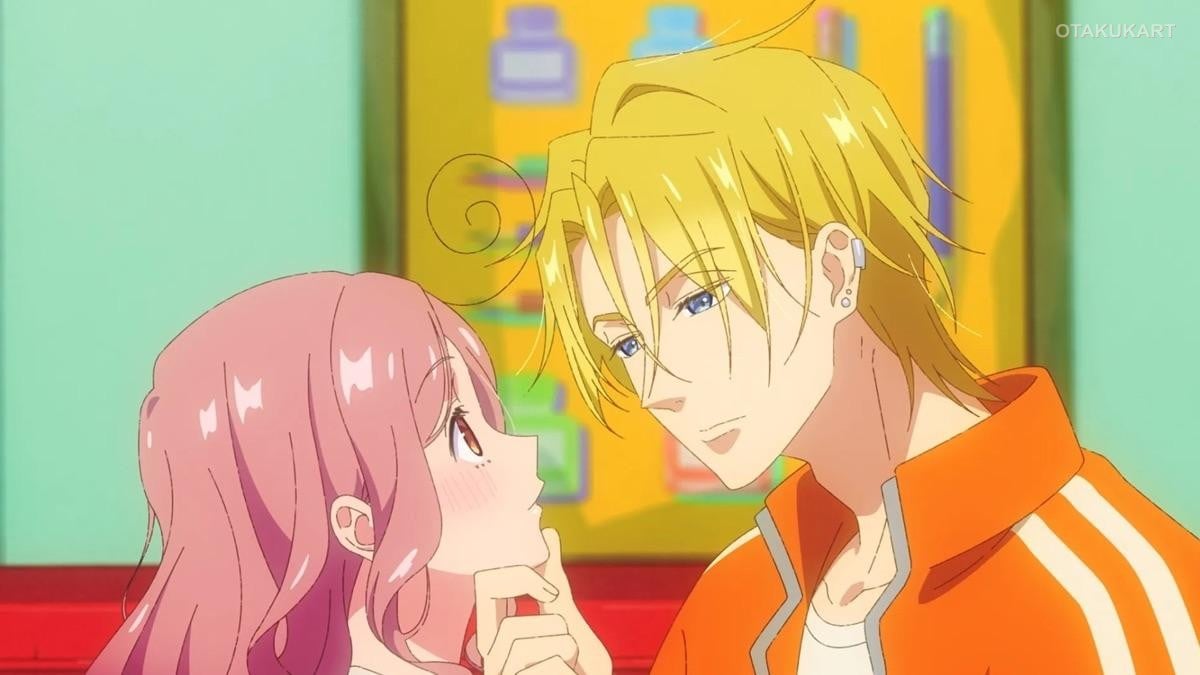
The creator of Pardon the Intrusion, I’m Home!, watomura, has offered a notable perspective on creator privacy, arguing that manga artists should not feel obligated to reveal their identities or personal lives simply because they publish their work publicly.
In an interview with Anime Trending, watomura discussed the challenges of sharing creative work, the relationship between authors and readers, and the importance of finding a publishing approach that protects a creator’s well-being. The comments came while discussing the manga’s storyline, which features an unusual connection between a manga creator and one of his readers.
The series began in 2020 and follows Rinko, a 24-year-old office worker whose life changes after her apartment becomes connected to those of her neighbors. The romantic comedy received an anime adaptation during the Summer 2026 season.
watomura Says Creators Should Not Feel Forced to Reveal Themselves
One of the most notable points from the interview concerned the relationship between creators and their audiences. watomura was asked about writers who hesitate to share their work because exposing their creative side could affect their personal relationships.
The mangaka argued that creators have different options for releasing their work and should prioritize a method that allows them to continue working without damaging their mental well-being.
“There are so many options for how you release your work,”
watomura explained to Anime Trending, adding that creators should choose an approach “that does not hurt you” and allows them to create with peace of mind.
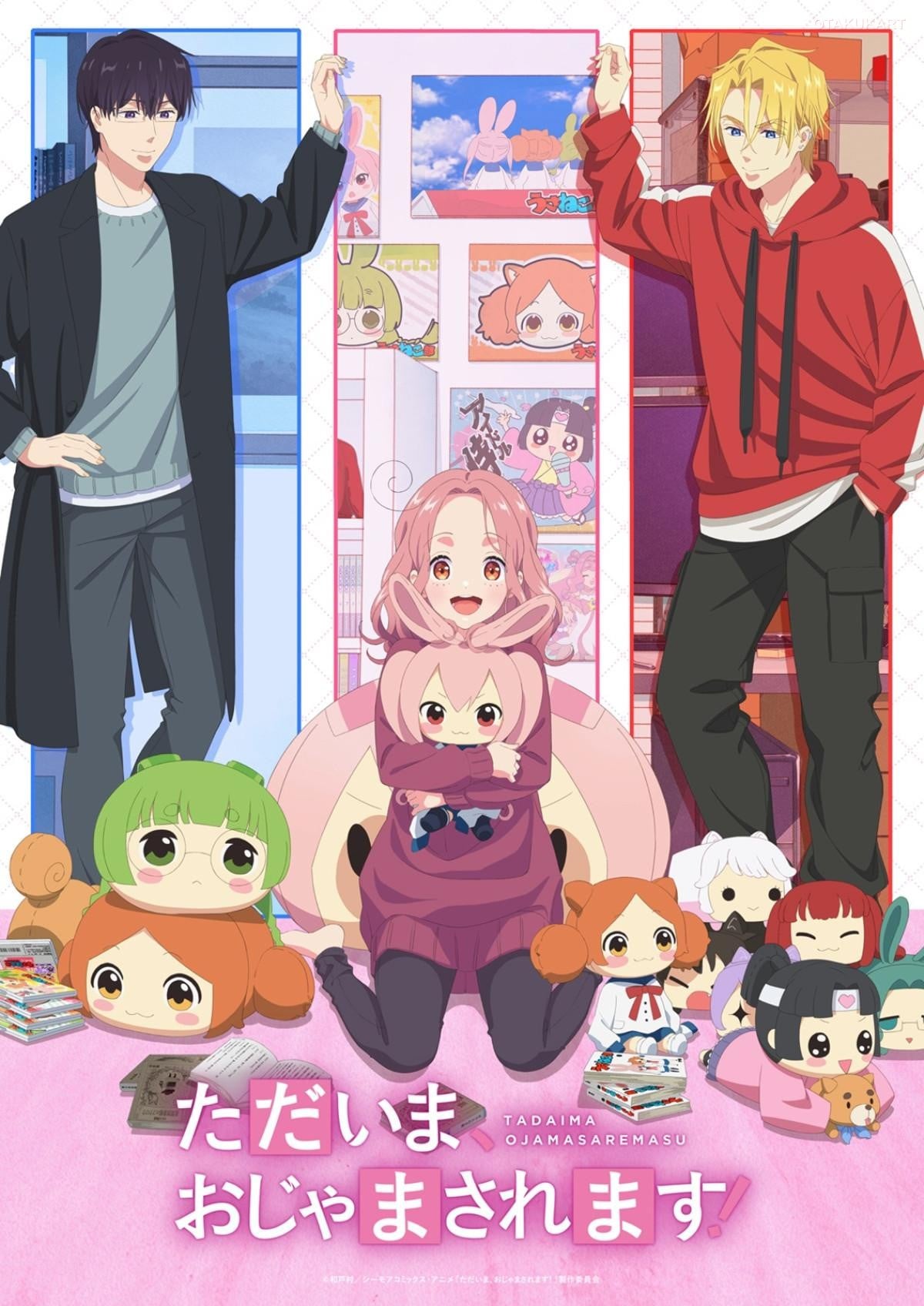
watomura specifically connected the idea to Pardon the Intrusion, I’m Home!, where the manga’s creator and a fan become directly connected because they happen to live next door to each other.
The mangaka noted that Satsuki, one of the characters, receives criticism for hiding his pen name and his work. However, watomura’s view is straightforward:
“There is nothing wrong with that at all.”
At the same time, watomura acknowledged that revealing creative work to other people can have benefits. Feedback will not always be positive, but criticism and uncomfortable experiences can potentially become part of a creator’s growth.
The Manga’s Unusual Relationship Dynamic
watomura also explained why the series focuses on relationships that do not fit neatly into conventional categories such as friendship, romance or family.
“We have all sorts of names for human relationships — neighbors, friends, lovers, family,”
the creator said. However, watomura finds relationships that “spill a little outside those frames” particularly interesting.
That philosophy is reflected in the dynamic between Rinko, Satsuki and Usada. Although romance remains an important part of the story, the creator wants readers to appreciate the trio’s bond even when their feelings cannot be easily defined.
The manga also explores how admiration, affection and respect can overlap. watomura clarified that a line concerning Usada’s parents was originally translated as marrying “not out of love but respect,” but the Japanese term keiai carries a broader meaning involving respect, affection and the desire to cherish another person.
Anime Adaptation Gave watomura a New Creative Perspective
The anime adaptation also provided watomura with an experience that differs significantly from working alone on manga. Since the mangaka handles both the story and artwork, watomura said the process usually leaves little room for outside interpretations.
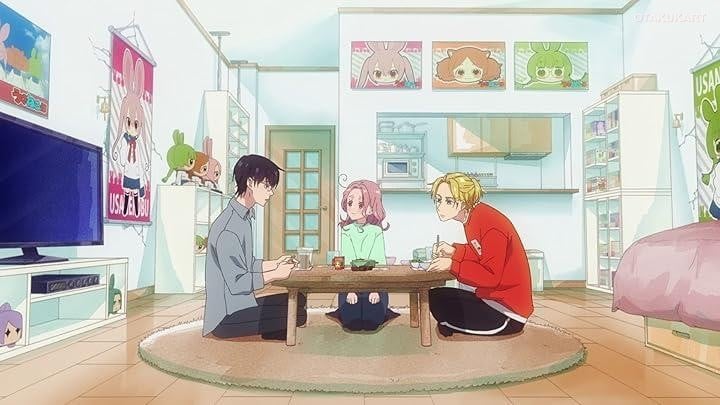
The anime brought numerous other creators into the process, allowing watomura to see new interpretations of the original material. For the creator, watching those additions become part of the story was a “wonderfully fresh experience.”
watomura also discussed the manga’s digital production process, explaining that the print-style version is completed before being adapted into a vertical webcomic format. This allows the creator to experiment with pacing and panel spacing while maintaining the rhythm of the original version.
For creators struggling with their own work, watomura’s advice is similarly practical. When experiencing creative blocks, the mangaka often goes for walks and tries not to become trapped by expectations about what manga “has to be.”
The creator also believes imperfections can have value, noting that works can sometimes be appealing precisely because they contain “clumsiness” or uneven edges.