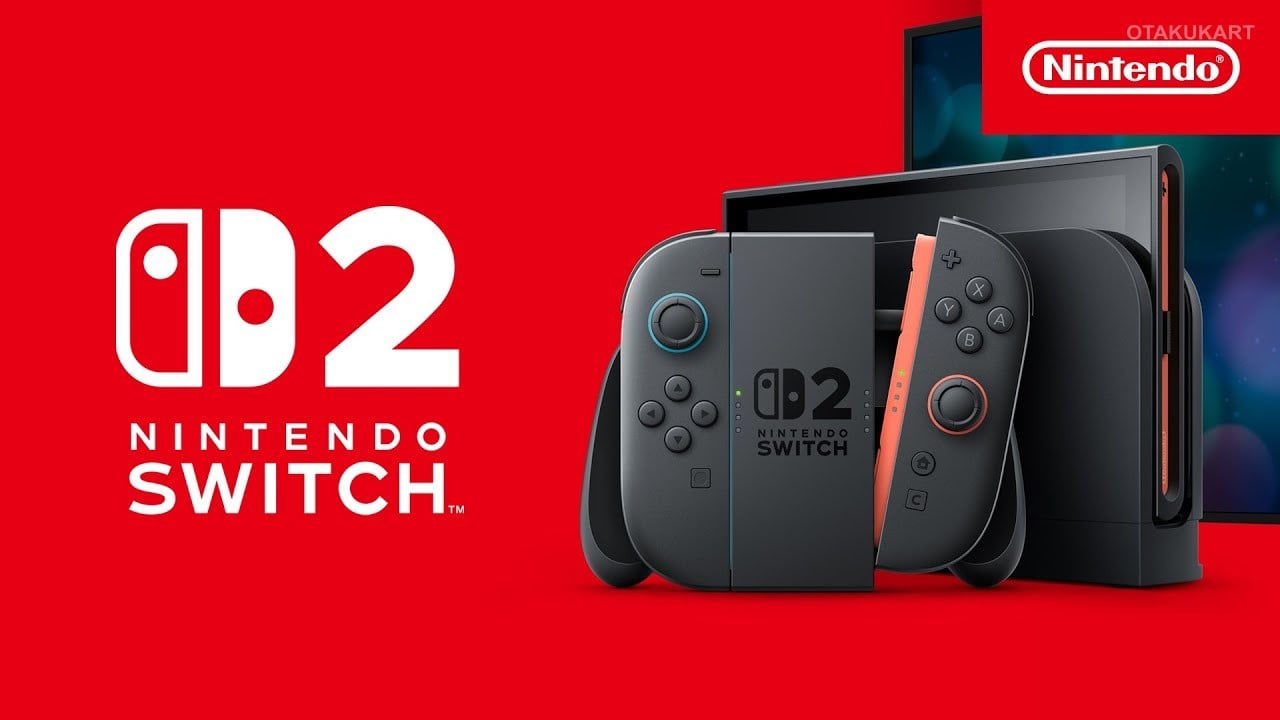
One year after its launch, Nintendo’s latest console has delivered impressive results, but not enough to fully convince investors. The Nintendo Switch 2 has sold just under 20 million units in its first year, outperforming company projections and even surpassing the early success of its predecessor.
The milestone places Nintendo ahead of expectations, yet the company faces a growing disconnect between strong business performance and declining investor sentiment. While the console continues to gain traction globally, concerns around pricing, future game releases, and broader market conditions are beginning to shape the narrative.
Switch 2 Sales Outpace Expectations and Rivals
Nintendo’s new flagship console has had a strong first year, beating its own forecast by roughly 5 million units. The original Switch sold around 14 million units in its debut year, meaning the new device is significantly ahead of that pace.
The console is also outperforming competitors like the PlayStation 4 and PlayStation 5 in terms of early sales momentum. This positions the Switch 2 as one of the fastest-selling consoles in recent years, reinforcing Nintendo’s continued strength in the gaming hardware market.
On the software side, Mario Kart World has emerged as the biggest seller, helped in part by bundle offerings with the console. Other successful titles include a new Donkey Kong release and continued strong performance from the Pokémon franchise, which remains a consistent driver of sales even after decades.
A newer title, described as a “cozy game,” has also made an impact, selling around 4 million copies within just three months. At the same time, Nintendo’s digital ecosystem is expanding rapidly, with eShop sales rising approximately 25% year-over-year.
Digital Growth and IP Expansion Boost Nintendo’s Ecosystem
Beyond hardware and game sales, Nintendo is increasingly positioning itself as a broader entertainment brand. The company’s expansion into films and theme parks continues to generate momentum.
The recent Super Mario movie has crossed nearly $1 billion at the global box office, highlighting the strength of Nintendo’s intellectual property outside gaming. The company is now looking ahead to a Legend of Zelda movie, scheduled for release in April 2027, as it continues building its presence across multiple entertainment platforms.
Theme park ventures in Japan and the United States have also remained popular, further strengthening Nintendo’s brand visibility and long-term growth potential.
Why Investors Are Still Worried
Despite these positives, Nintendo’s stock has struggled, falling significantly over the past year. Analysts point to several factors behind the cautious investor sentiment, starting with pricing concerns.
As global memory chip prices rise, Nintendo has increased the price of the Switch 2 across multiple regions. While the hikes are relatively modest compared to competitors, they still raise questions about how price-sensitive Nintendo’s audience might be.
Industry analyst Serkan Toto explained that this is particularly relevant for Nintendo’s core demographic.
“You talk about a lot of casual users like families and kids… that might be more price sensitive than the hardcore users,”
he said during a discussion.
He also highlighted another key issue: expectations.
“Investors’ expectations have been sky-high for Nintendo… and it’s very difficult to satisfy that demand,”
Toto noted, suggesting that even strong performance may not be enough to meet market optimism.
Software Pipeline and Future Releases in Focus
Another major concern is the lack of confirmed blockbuster titles in the near-term pipeline. Investors are closely watching for announcements of major franchises like the next 3D Mario or The Legend of Zelda, which traditionally drive console sales.
Toto pointed out that games remain the most important factor for long-term success.
“The games are the number one indicator for console growth and success potential,”
he said, emphasizing that future releases will likely determine how the Switch 2 performs over time.
There is also growing anticipation around Grand Theft Auto VI, which Toto described as potentially “the biggest launch of an entertainment product of all time.” However, the game has not been officially confirmed for the Switch 2, leaving uncertainty about its impact on Nintendo’s platform.
Market Pressures and Global Factors
External factors are also playing a role in shaping Nintendo’s outlook. Ongoing tariff uncertainties and rising production costs have created challenges for console manufacturers across the industry.
Additionally, currency fluctuations such as a weaker Japanese yen can benefit Nintendo’s export-driven business model, but broader economic uncertainty may still affect consumer spending in key markets.
While demand for the Switch 2 remains strong, particularly in regions like the United States and Japan, investors are watching closely for signs of slowing momentum or pricing resistance.