

Nintendo’s next-generation console, widely referred to as the Nintendo Switch 2, may face a price increase in the near future, according to comments from a former company executive. While Nintendo has recently made headlines for reducing digital game prices for first-party titles, new insights suggest that hardware pricing could move in the opposite direction due to ongoing industry pressures.
The discussion began after Nintendo clarified confusion around its pricing strategy. The company emphasized that physical editions of games are not becoming more expensive, but instead, it is the digital versions that are being priced more aggressively to improve accessibility.
This move has been positioned as a consumer-friendly strategy, aiming to encourage digital adoption while maintaining stability in physical retail pricing.
Potential Price Hike
A former Nintendo sales lead, identified as Sean, described the approach as a “consumer-first” initiative. He noted that lowering digital prices allows more players to access games easily, particularly as the industry continues shifting toward digital ecosystems.
However, he also cautioned that this strategy does not necessarily extend to hardware, which is facing increasing cost pressures. According to his remarks, a price increase for the Nintendo Switch 2 appears increasingly likely, stating that “eventually the hardware price is going to have to go up.”
This aligns with earlier reports that have pointed to rising production costs affecting the upcoming console. Toward the end of last year, industry sources indicated that Nintendo was dealing with higher manufacturing expenses tied to components and supply chain constraints.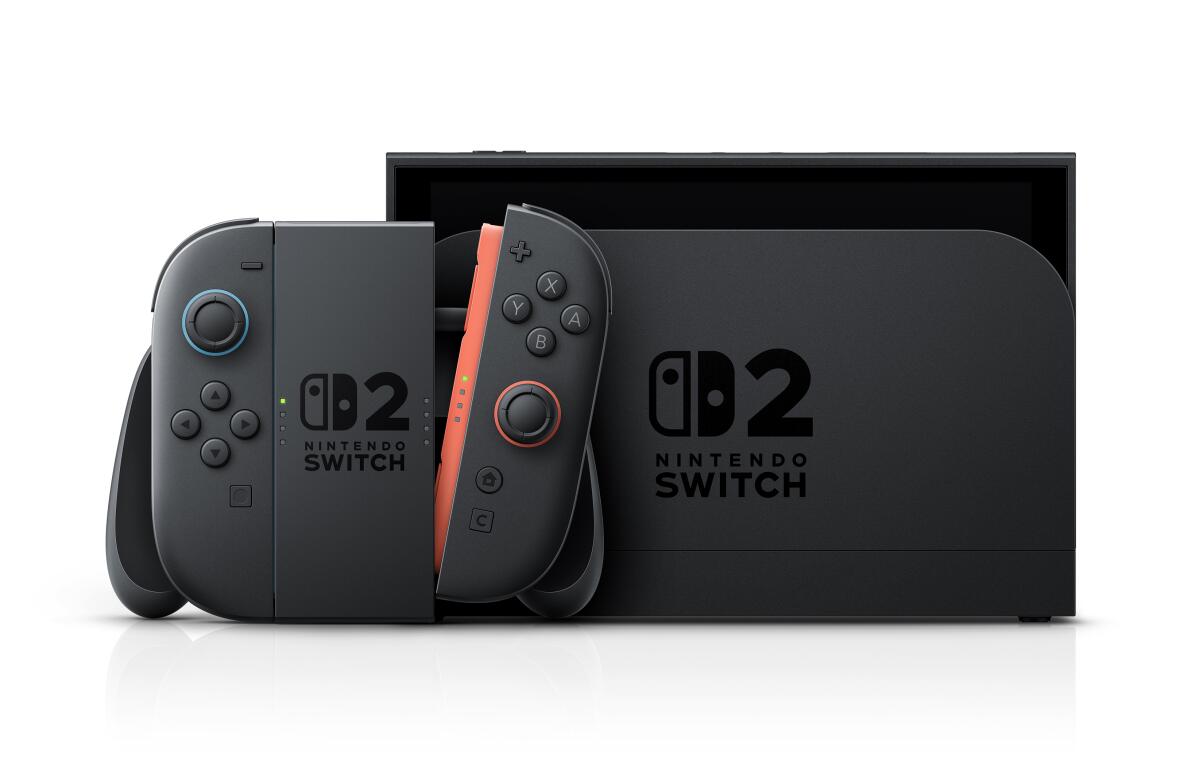
More recent reports have also highlighted a global memory shortage, which continues to impact semiconductor pricing and availability. These factors collectively contribute to a scenario where maintaining current hardware pricing may not be sustainable.
While Nintendo has not officially confirmed any price adjustments for the Switch 2, the consistency of these reports suggests that a price hike remains a strong possibility.
Notably, the company’s decision to reduce digital software pricing could serve as a strategic buffer, helping offset potential backlash from consumers if hardware prices do increase. By lowering the cost of games, Nintendo may be attempting to balance overall ecosystem affordability, even if the upfront cost of the console rises.
PS5 Price Hike
The situation is not unique to Nintendo, as broader industry trends indicate similar adjustments across major platforms. Sony, for example, has already confirmed price increases across its PlayStation lineup. The PS5 Slim Digital model has risen to $599.99, while the disc version now costs $649.99.
Meanwhile, the PS5 Pro has reached $899.99, and the PlayStation Portal has also seen a price bump. These changes reflect a wider shift in the gaming market, where hardware pricing is being influenced by inflation, component shortages, and evolving production demands.
Taken together, these developments suggest that the gaming industry is entering a phase where hardware affordability is becoming more difficult to maintain, even as companies attempt to keep software accessible. For consumers, this could mean higher upfront costs for new consoles like the Nintendo Switch 2, balanced by more competitive pricing in digital game libraries.
Until Nintendo makes an official announcement, the exact pricing of the Switch 2 remains uncertain. However, based on current industry signals and insider commentary, a price increase appears not only possible but increasingly probable.