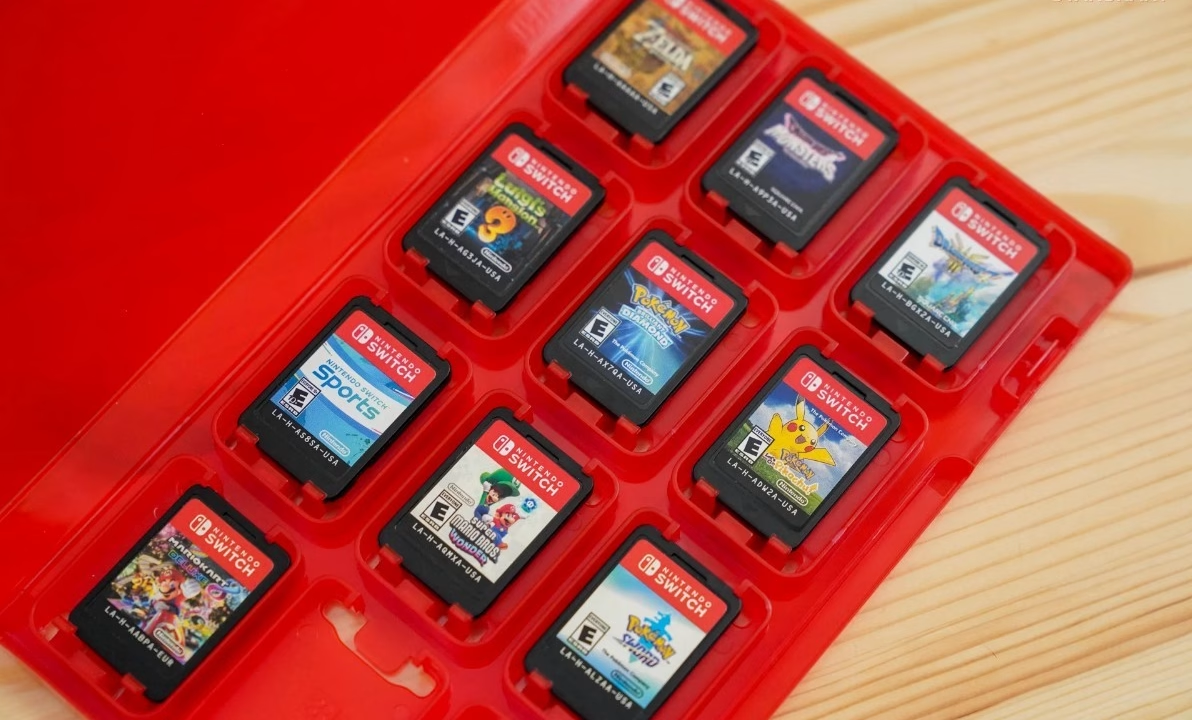
Nintendo has explained why its first-party games for the Nintendo Switch 2 can cost more in physical form than digital editions, pointing to rising cartridge and microchip costs alongside the expenses involved in manufacturing and distributing boxed games.
Bill van Zyll, Nintendo’s Vice President and General Manager for Latin America, discussed the company’s pricing strategy in an interview with Coelho. His comments offer insight into why Nintendo evaluates each game individually and why players are seeing a price difference between physical and digital releases.
Digital versions of Nintendo-published Switch 2 games are currently priced $10 below their physical counterparts in the US. The company introduced this pricing approach in 2026, beginning with preorders for Yoshi and the Mysterious Book.
NINTENDO CONSIDERS DEVELOPMENT COSTS AND EXPECTED PLAYTIME WHEN PRICING GAMES
Van Zyll explained that Nintendo considers several factors before deciding how much to charge for a game, including its complexity, development costs, expected playtime, and the value it offers players. Rather than applying a single pricing formula to every release, the company evaluates each title separately.
“The pricing is set based on a lot of factors,”
Van Zyll said in his interview with Coelho. He added that Nintendo considers
“the value proposition, the hours of play you can expect, the complexity, the costs that went into making the game.”
The executive also acknowledged that pricing can influence sales. A higher price may affect how many copies a game sells, while a lower price can change consumer demand. Nintendo considers these possibilities when establishing its sales expectations and determining an appropriate price for each release.
This approach helps explain why Nintendo’s games can launch at different price points. Their content, production requirements, and expected value all contribute to the final decision.
RISING CARTRIDGE AND MICROCHIP COSTS EXPLAIN THE PHYSICAL PRICE DIFFERENCE
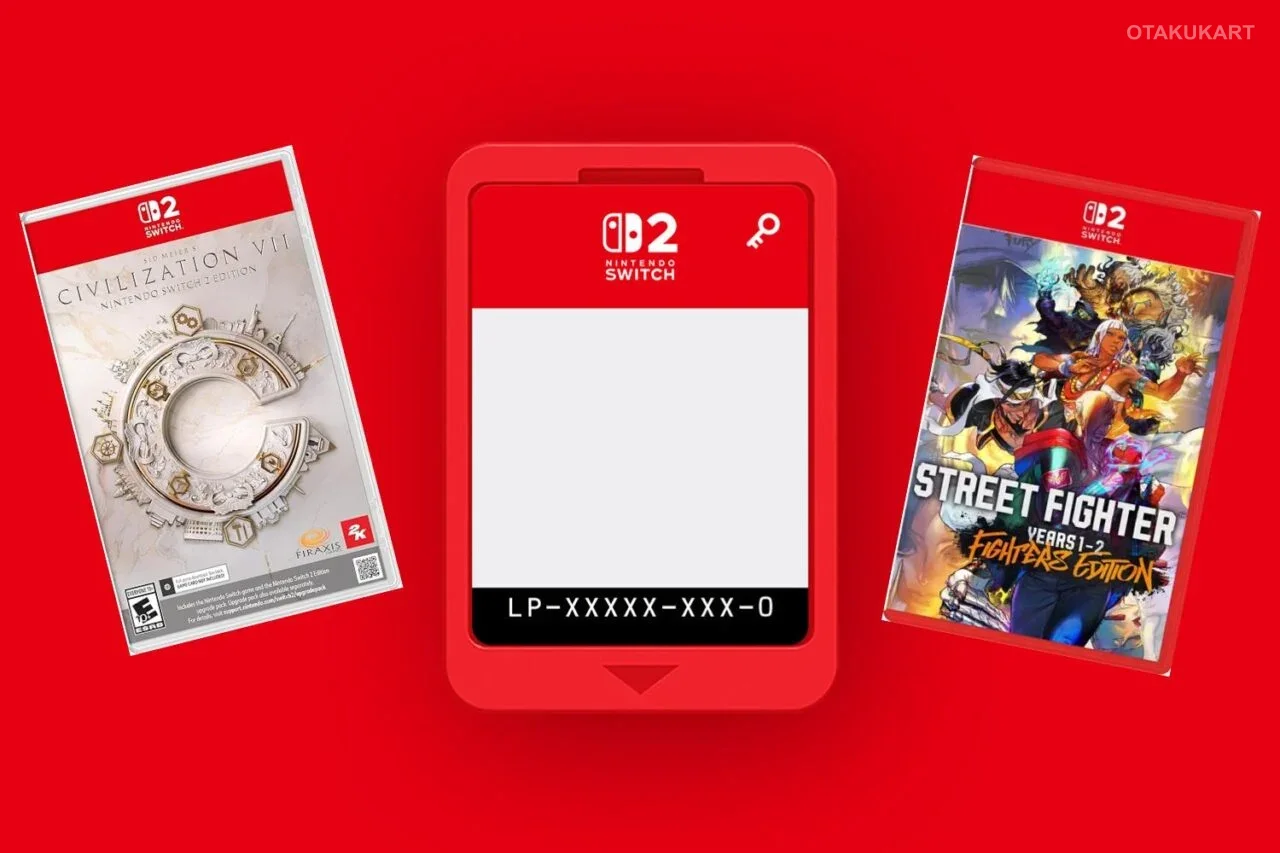
Van Zyll identified the expenses associated with physical production as a major reason for the growing gap between boxed and digital games. Physical releases require more than just the game itself. Nintendo must account for cartridges, packaging, printed materials, assembly, transportation, distribution, and inventory management.
Digital editions avoid many of these expenses, allowing Nintendo to offer them at a lower price. However, the company must decide how much of those savings it wants to pass on to consumers.
Van Zyll explained that increasing cartridge and microchip costs have made the difference between the two formats more noticeable. Physical copies also offer benefits for players who want to collect games, trade them, or resell them after finishing.
He described the pricing difference as a “logical divergence” between physical and digital products, given their different production and distribution requirements.
Nintendo has also reiterated that it has no plans to abandon physical games. In a separate interview, Van Zyll said the company understands how much fans value physical releases and intends to continue offering both formats. His comments suggest that Nintendo wants to preserve consumer choice while accounting for the different costs involved in delivering each version.