
Netflix is placing a notable emphasis on a new animated entry in the One Piece ecosystem, introducing Lego One Piece as a key step in broadening the franchise’s audience reach.
The two-part special, developed in partnership with The Lego Group and Shueisha, is scheduled to premiere on September 29. Unlike the main live-action adaptation, this project adopts a stylized, comedic Lego format while revisiting the core events of the first two seasons.
The approach mirrors Lego’s established formula of reinterpreting major franchises with a lighter tone and condensed storytelling.
From a strategic standpoint, the special functions serve as both a recap and an onboarding mechanism. By compressing early arcs into a more accessible format, Netflix is targeting new viewers who may find the full series length or narrative scale difficult to approach, while still offering existing fans an alternative retelling with comedic emphasis.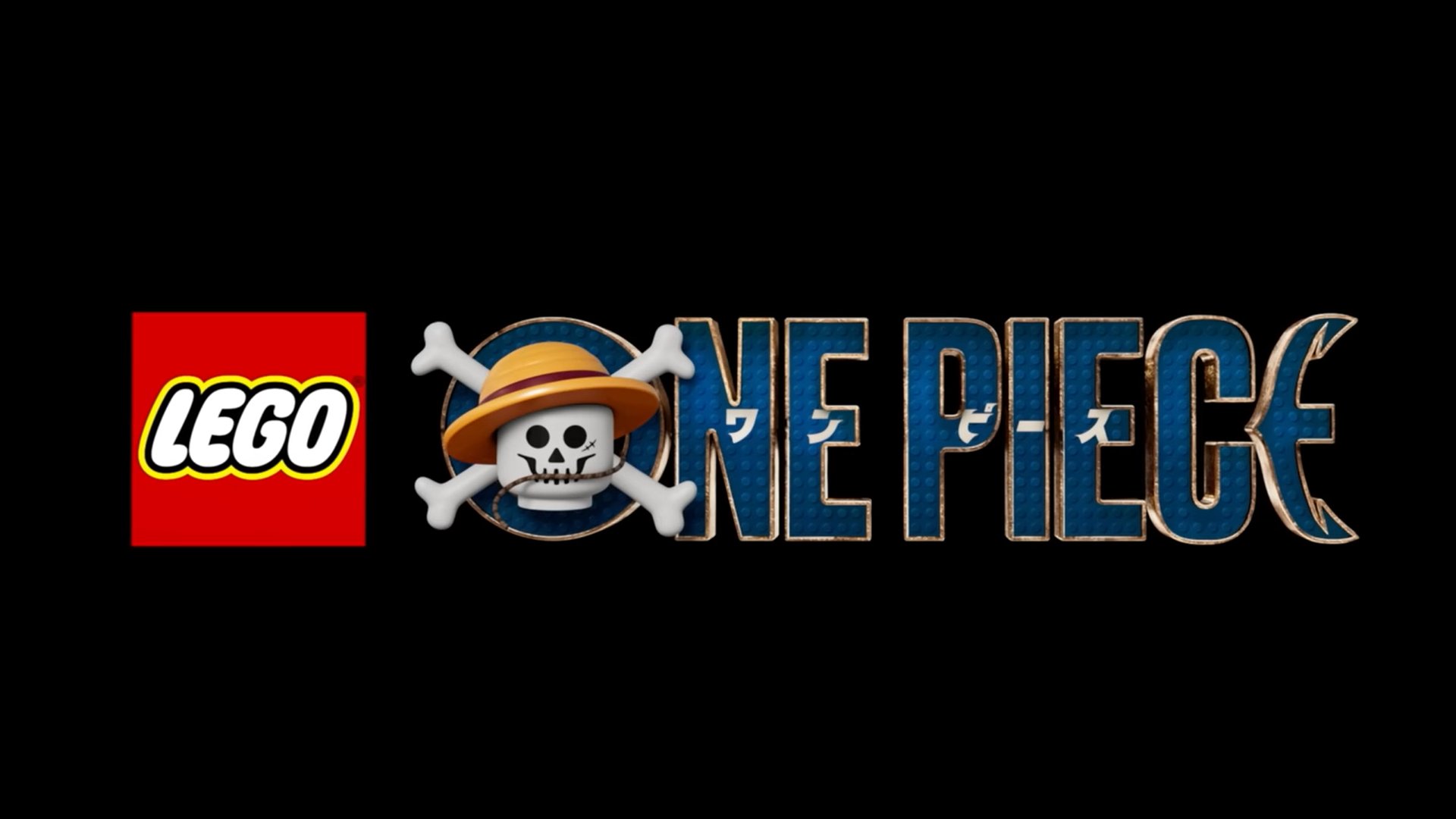
Voice talent also connects the special back to the broader franchise. Katey Sagal is set to voice a Lego version of Dr. Kureha, reinforcing continuity with the live-action cast while adapting performances to the animated tone.
The project represents a first for Netflix in terms of combining a major anime-derived IP with Lego’s animation style. It also aligns with a wider merchandising push, as Lego sets inspired by the series are already in development, creating a synchronized release strategy across content and consumer products.
While the Lego special is positioned as an entry point, it sits within a larger expansion plan. Netflix has confirmed that season three of the live-action series, titled One Piece: The Battle of Alabasta, will arrive in 2027, continuing the storyline involving Monkey D. Luffy and the conflict against Sir Crocodile. In parallel, a separate anime reboot, The One Piece, remains in production with Wit Studio.
Despite these parallel developments, Lego One Piece stands out as the most immediate release and a structurally different experiment. Its success will likely determine how aggressively Netflix continues to diversify the franchise into alternative formats beyond traditional live-action and anime adaptations.

| Started | October 22, 1997 |
|---|---|
| Publisher | Shueisha |
| Author | Eiichiro Oda |