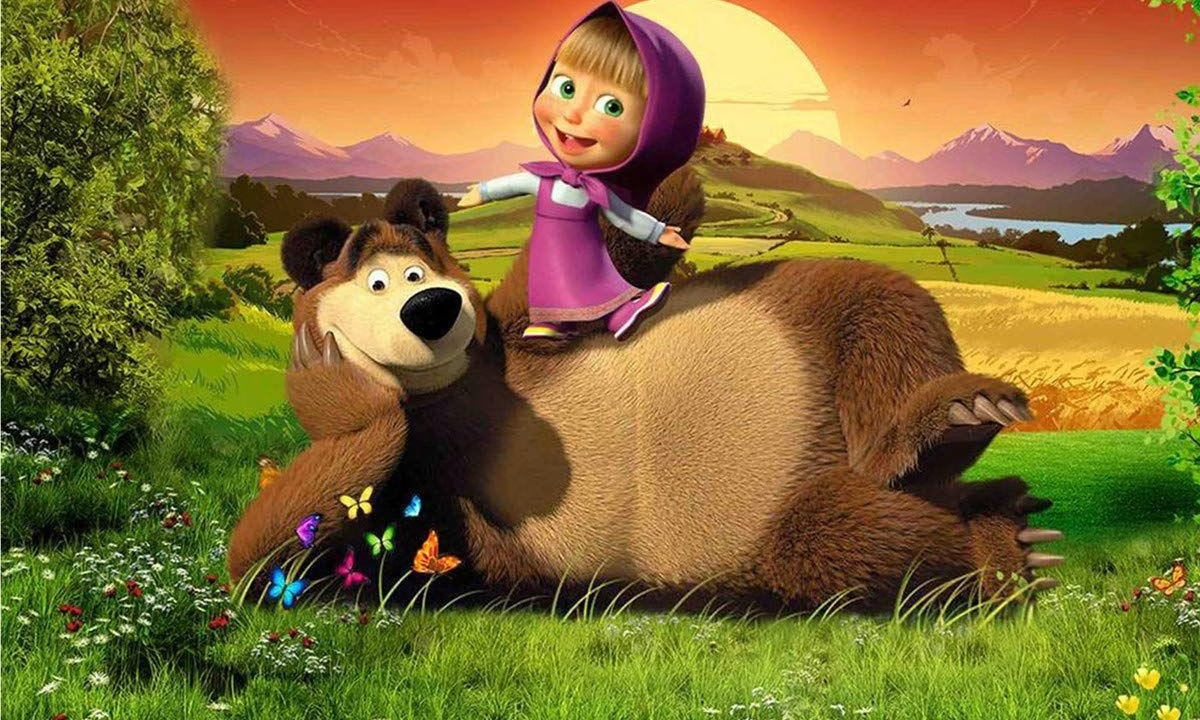
Netflix is facing renewed criticism after expanding its licensing agreement for the Russian animated series Masha and the Bear, giving the popular preschool show a significantly wider international audience.
The streaming giant has secured the rights to Seasons 8 and 9 while extending licenses for earlier episodes and spin-offs, making the series available in more than 100 countries across North America, Europe, Asia, Latin America, and the Middle East.
Ukrainian officials question Netflix’s decision
The expanded release has sparked backlash from Ukrainian officials and advocacy groups, who argue that Masha and the Bear functions as a form of Russian “soft power” during the ongoing war in Ukraine.
Ukraine’s Center for Countering Disinformation has previously alleged that the series promotes a favorable image of Russia, incorporates Soviet-era symbolism, and contains subtle militaristic themes. The agency has argued that the show should not be viewed solely as children’s entertainment but also as part of Russia’s broader information influence efforts.
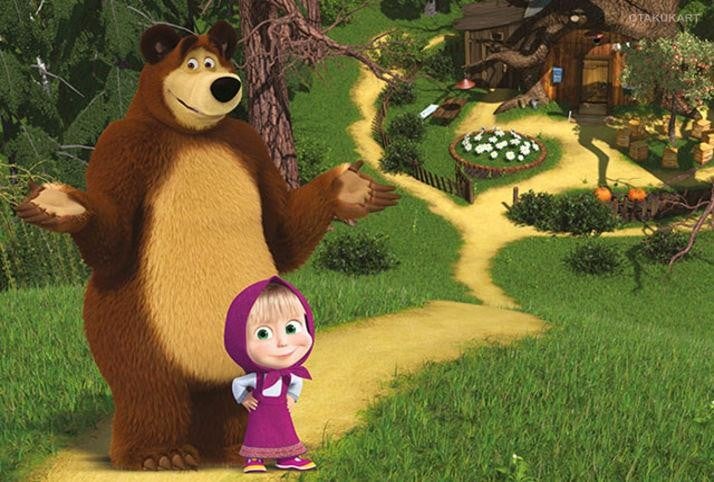
The series is produced by Russian animation company Animaccord. Ukraine’s Ministry of Culture has previously stated that the company maintains business ties to Russia through its ownership structure and intellectual property while continuing to pay taxes in the country.
Animaccord has consistently denied allegations that Masha and the Bear serves as state propaganda or receives funding from the Russian government. Supporters describe it as one of the world’s most successful preschool franchises, emphasizing that it contains no explicit political messaging.
The debate surrounding the series is not new. Media analysts and policymakers across several European countries have discussed for years whether globally popular Russian entertainment can inadvertently serve as a cultural influence, even without direct political content. Netflix has not publicly commented on the criticism surrounding its latest licensing expansion.