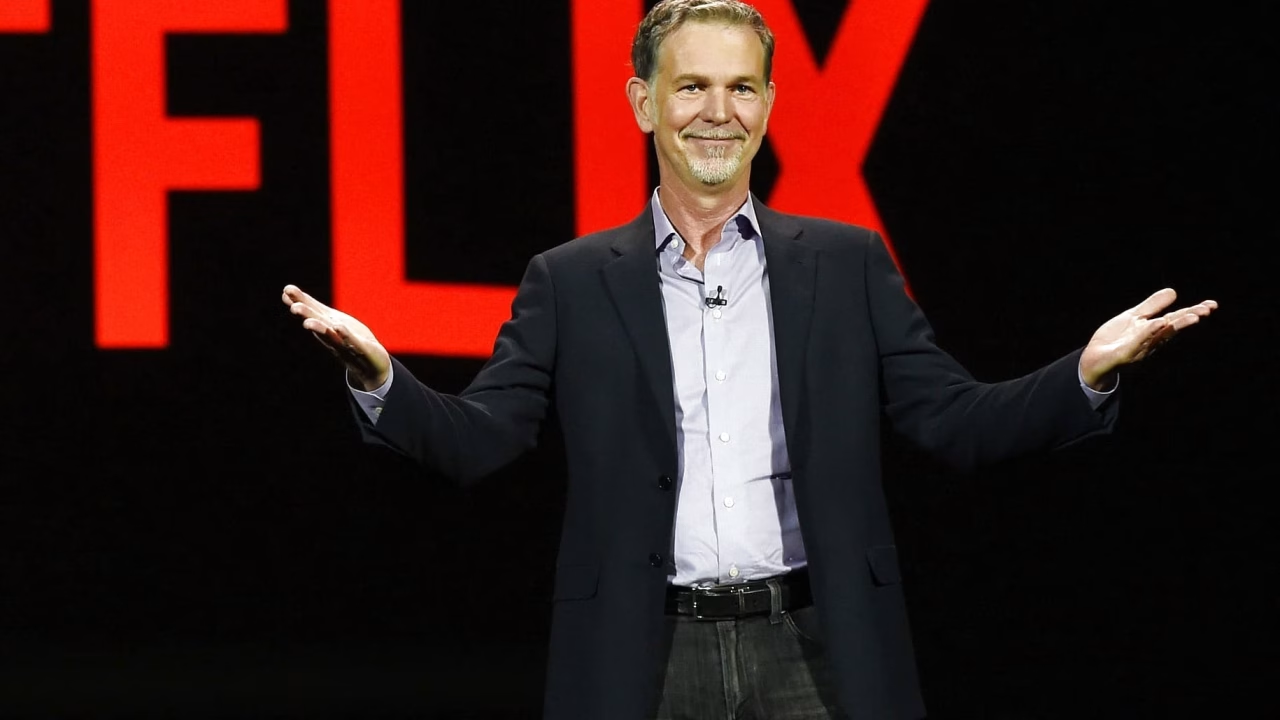
Netflix co-founder Reed Hastings is revisiting one of the defining ideas behind the company’s workplace culture: businesses should not describe themselves as families when they may eventually need to let employees go. Hastings recently explained that lesson while discussing Netflix’s evolution and the management philosophy that helped shape the streaming giant.
Speaking to Semafor, Hastings recalled Netflix’s difficult period following the dot-com crash. In 2001, when Netflix was still primarily a DVD rental business, the company laid off roughly one-third of its employees as it struggled to remain financially viable.
That experience forced Hastings to reconsider how companies should think about their relationship with employees. His conclusion was that a high-performing business is better understood as a team than as a family.
“If you describe yourself as a family at a company, you better not ever do a layoff. You would never lay off two of your kids, right?”
Why Hastings Rejected the Company-as-Family Approach
Hastings argued that describing a company as a family can create expectations of unconditional loyalty and job security that businesses cannot realistically guarantee. Employees may believe that their position is protected because of their tenure or personal relationships, even when their performance no longer meets the company’s expectations.
Netflix instead developed what Hastings described as a “championship sports team” mentality. The focus is on maintaining a strong roster of high-performing employees, rather than keeping every employee indefinitely.
Hastings said the lesson became particularly clear after Netflix’s 2001 layoffs. The company ultimately decided that maintaining a consistently high performance standard was preferable to treating employment as a permanent relationship.
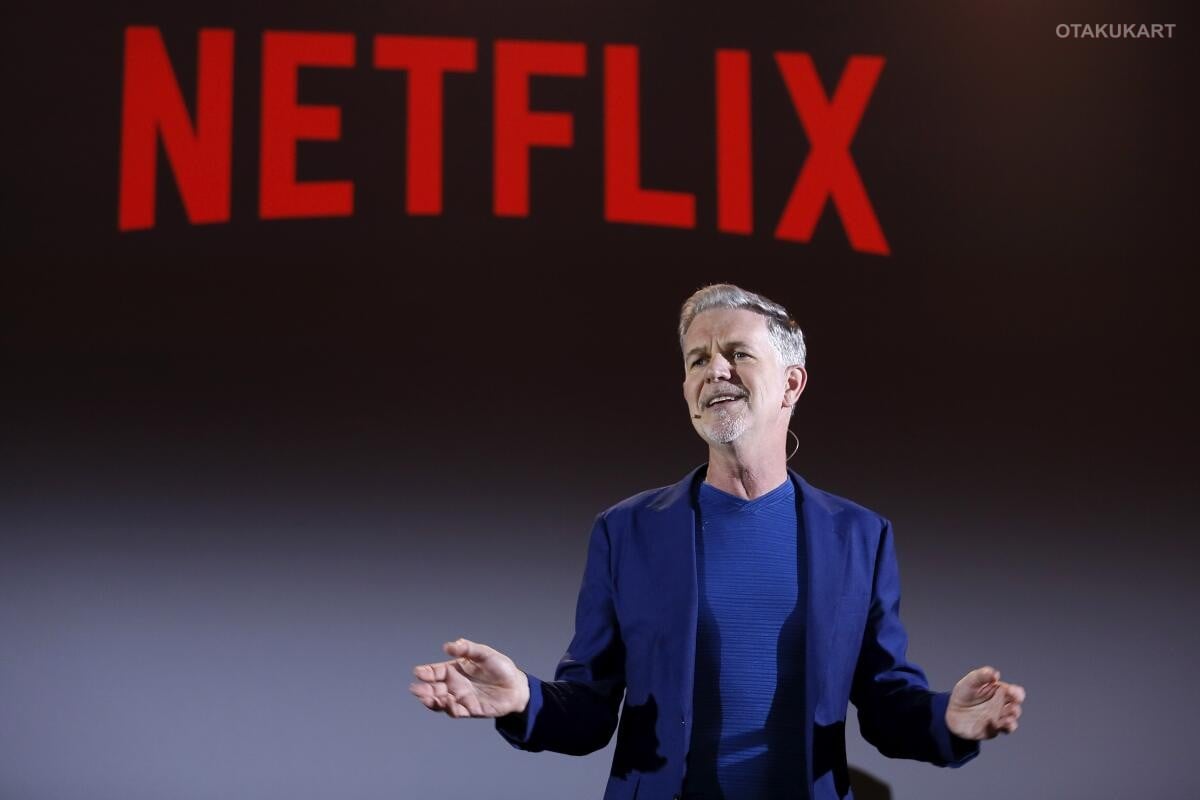
That philosophy remains visible in Netflix’s current culture guidelines. The company describes itself as a “Dream Team” and says performance matters more than seniority, tenure or unconditional loyalty. Netflix’s official culture document also outlines its “keeper test,” asking managers whether they would fight to keep an employee who wanted to leave or hire that person again, knowing what they know today.
If the answer is no, Netflix says it believes it is fairer to “part ways quickly.” The approach is designed to maintain a high concentration of strong performers rather than to retain employees simply because they have been with the company for a long time.
Netflix’s Culture Was Built Around High Performance
The philosophy is closely associated with Hastings, who published Netflix’s influential culture memo in 2009. Netflix has continued updating that document, with the company saying its culture emphasizes values and performance rather than extensive rules and controls.
Hastings’ comments also come from a perspective shaped by his own experience running Netflix through major changes. He served as CEO until 2023, when Ted Sarandos and Greg Peters became co-CEOs and Hastings moved into the role of executive chairman.
The distinction between a family and a professional team has become increasingly relevant as major companies continue restructuring their workforces. For Hastings, the lesson from Netflix’s early struggles was straightforward: companies can build strong relationships with employees and create supportive cultures, but they should not promise the kind of unconditional loyalty associated with a family.